


Company Profile
Established in 1995, Laike hydraulics is committed to developing and manufacturing hydraulic fittings, Adapters, Hose assemblies and other related products that are widely used in mining, machinery, transportation, Shipping, And oil fields. We now own plant of 18,000 square meters, 200 machines, 100 employees and store 40,000 kinds of regularly used items.
It is the long-standing commitment to "First class design, First class products, First class service" that has made Laike Hydraulics a name synonymous with hydraulic fittings and adapters. We welcome everyone to visit us.
Why choose us
High quality
Our products are manufactured or executed to very high standards, Using the finest materials and manufacturing processes.
Professional team
Our professional team collaborate and communicate effectively with one another, and are committed to delivering high-quality results. They are capable of handling complex challenges and projects that require their specialized expertise and experience.
Long warranty
The long-term warranty is designed to give consumers more confidence that their purchases and services will continue to be valid.
Rich experience
Dedicated to strict quality control and attentive customer service, our experienced staff is always available to discuss your requirements and ensure complete customer satisfaction.


Product Categories
Latest Products
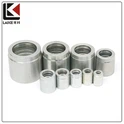
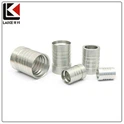
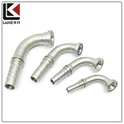
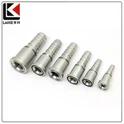
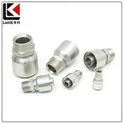
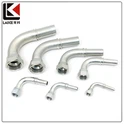
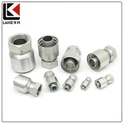
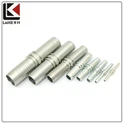
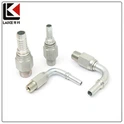
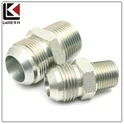
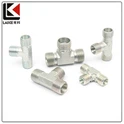
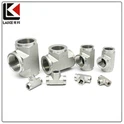
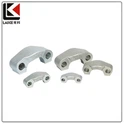
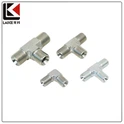
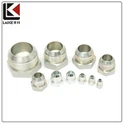
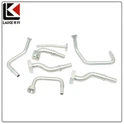
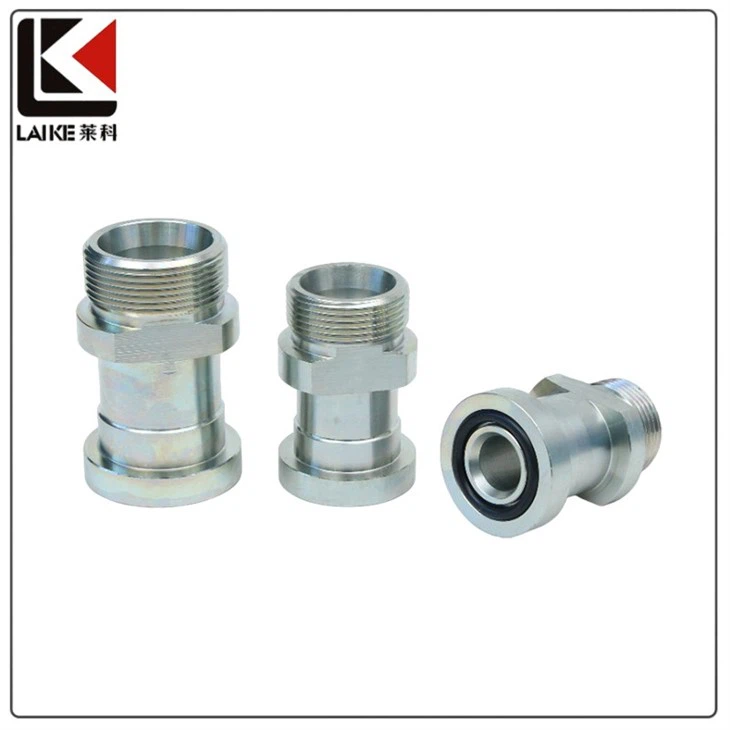
A hose fitting also referred to as a hose coupling, hosepipe fitting, or hose pipe connector, is a piece of equipment used in gardening and irrigation to connect and join hosepipes to faucets, adaptors and other equipment. Hosepipe couplings come in many forms, sizes and styles, and depending on your needs, there will be a certain hosepipe fitting suited to your hosepipe watering system.
Benefits of Hose Fitting
Easy maintenance
Some hose fittings are designed for easy disassembly, simplifying the process of maintenance and component replacement.
Secure connections
Hose fittings ensure a tight and secure connection between hydraulic hoses and other components, preventing leaks and maintaining system integrity.
Quick installation
Many hose fittings are designed for quick and easy installation, saving time during system setup or repair.
Versatility
There are various types of hose fittings available to suit different hose sizes, pressures, and applications, offering flexibility in design and function.
Reusability
Some hose fittings are reusable, provided they are in good condition and correctly installed, reducing waste and costs associated with replacing fittings unnecessarily.
Durability
High-quality hose fittings are made from robust materials that can withstand harsh environments, high pressures, and temperatures, ensuring long service life.
Safety
Properly installed hose fittings reduce the risk of system failure, which can lead to equipment damage, downtime, and potential injuries.
Cost-effectiveness
By preventing leaks and extending system life, hose fittings contribute to overall cost savings in the operation and maintenance of hydraulic systems.
Compatibility
Hose fittings are designed to be compatible with a wide range of hydraulic fluids, ensuring optimal performance across different applications.
Pressure rating
Hose fittings are manufactured to handle specific pressure ranges, ensuring that the system operates within safe parameters.
Types of Hose Fitting
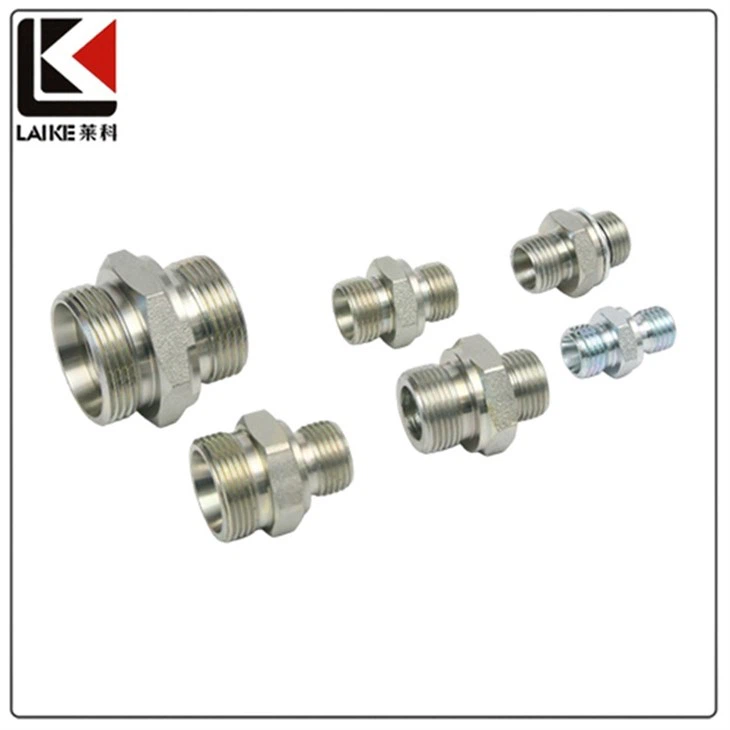


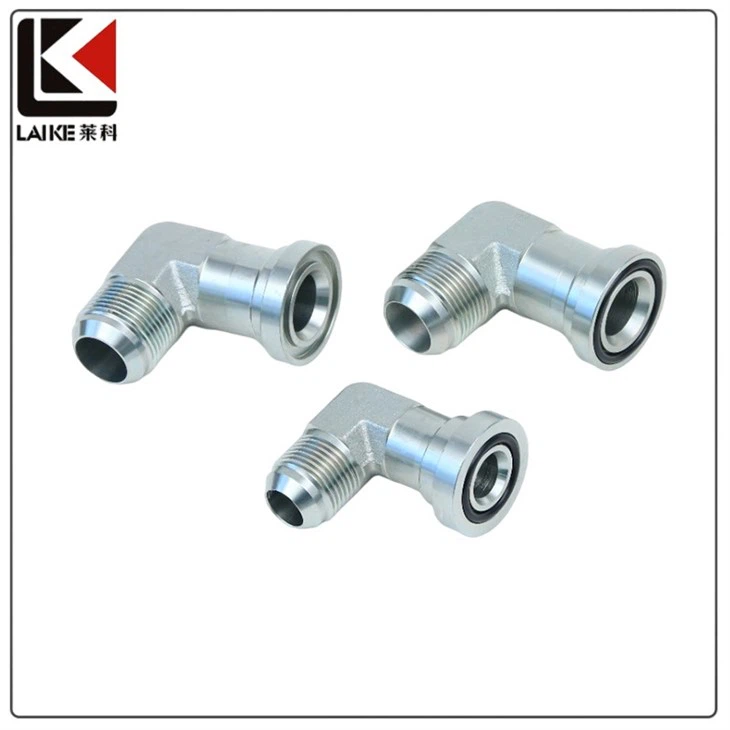
NPT hose connectors
A National Pipe Thread Connection features a tapered 60° thread. Male and female NPT connectors slot together to create a solid seal.
BSPT hose connectors
The British Standard Pipe Thread has a connection angle of 55° but is otherwise very similar to NPT connectors and will fit them, albeit without creating a solid seal.
BSPP hose connectors
The British Standard Parallel Pipe thread features parallel grooves. When combined with a seal ring, a male and female BSPP connector will form a solid seal along the thread. The seal ring is placed between the shoulder of the male connector and the face of the female connector.
Air hose connectors
Air hose connectors provide tight and reliable seals for attaching high-pressure hoses to air pumps, brakes, and breathing tanks.
Water hose connectors
The water or liquid hose is used in both familiar domestic settings like back gardens, as well as a wide variety of commercial and industrial environments, primarily for cooling and cleaning purposes. While a leaking garden hose may not provide too much of a problem, leakage in a factory is potentially dangerous so the connectors used must provide a tight and reliable seal.
Hydraulic hose connectors
Hydraulic hose connectors are fittings designed to connect hoses to various components used within hydraulic systems. This could include valves, cylinders, or pumps. Highly secure, hydraulic hose fittings offer tightly-sealed connections, preventing leakage, maintaining a safe operational level of pressure, and directing the flow of hydraulic fluid within the system.
Brass hose connectors
Brass hose connectors make a good choice for low-pressure hosing and are often used with domestic garden watering equipment as well as fuel lines. Brass is resistant to corrosion and pliable but strong. However, it is important to ensure that only quality brass has been used in the manufacturing process as cheaply-made brass can be weak and porous.
Aluminium hose connectors
Aluminium is a notably light metal – only around two-thirds the weight of steel or brass with the same mass. This makes it a great choice for larger connectors used within industrial settings. It is also highly resistant to corrosion, pliable, and less expensive than steel alternatives.
Steel hose connectors
Carbon steel is a blend of steel and carbon. When properly treated, carbon steel is stronger than the regular alternative, although less pliable. Varying the blend of carbon and steel provides different strengths and levels of resistance to corrosion. Hose connectors made from carbon steel are widely used within industrial environments because they can withstand high pressures.
Stainless steel hose connectors
Stainless steel is an alloy of steel and chromium, highly resistant to rust and other corrosive agents such as saltwater and spray. It is also suitable for use with very high-pressure liquids. Its principal disadvantage is the price – stainless steel hose connectors can cost several times as much as those made from regular carbon steel.
Plastic hose connectors
Some domestic hose connectors are made from a type of plastic called polyamide. It is inexpensive, highly versatile, and perfectly adequate for low-pressure domestic use.
Material of Hose Fitting
The materials for hose fittings often correspond to the hose materials or hose application. Selection depends on factors such as cost, flexibility, media, environmental conditions, and required pressure ratings. Material choices include different types of plastic or metal.
Common metals include
- Aluminum - Lightweight and corrosion resistant. Aluminum is commonly used for plumbing and is the preferred fitting material for aluminum tubing. By itself, aluminum has low tensile strength and is used when high corrosion resistance is needed. It is alloyed with zinc, copper, silicon, manganese, and/or other metals to improve its strength and hardness.
- Brass - Strong, durable, and corrosion resistant, with high temperature ductility and good conductivity. Brass is an alloy of copper and zinc, and is the most common tube fitting metal used in industry because of its machinability and its excellent performance properties. Brass fittings can have various protective or decorative finishes which should match the finish of the tubing.
- Steel - Durable and strong, with a high resistance to heat. Steel is an alloy of iron and carbon - it is commonly alloyed with other metals to improve its corrosion resistance and durability. It is used in both commercial and industrial applications for carrying water, flammable gases, and other fluids. Galvanized steel is coated with zinc for rust and chemical corrosion resistance. Carbon steel is alloyed with higher levels of carbon for increased durability and strength.
- Stainless steel- Relatively strong with excellent chemical and corrosion resistance. Stainless steel is an alloy of steel that contains over 10.5% chromium, providing excellent corrosion resistance for sanitary applications and systems handling aggressive fluids and materials.
Common plastics include
- Fluororesin (PFA/PTFE/PVDF) - Used for temperature requirements of 500°F (250°C). These materials exhibit very good chemical resistance and dielectric properties.
- Polyethylene (PE) - The most preferred plastic for hot and cold temperature applications. PE is grey or black, semi-flexible plastic. Fittings are used commonly for supply lines to sprinkler systems and underground geothermal heating loops.
- Polypropylene (PP) -Thermoplastic material that exhibits excellent cold flow, bi-axial strength, and yield elongation properties. It is similar to PVC, but can be used in exposed applications because of its resistance to UV, weathering, and ozone.
- PVC (poly-vinyl-chloride) - A rigid plastic which comes in a variety of pressure ratings, but is susceptible to wear from UV radiation and environmental weathering. Fittings are connected via threads or solvent welding (glue). Standard applications include cold water supply and drainage.
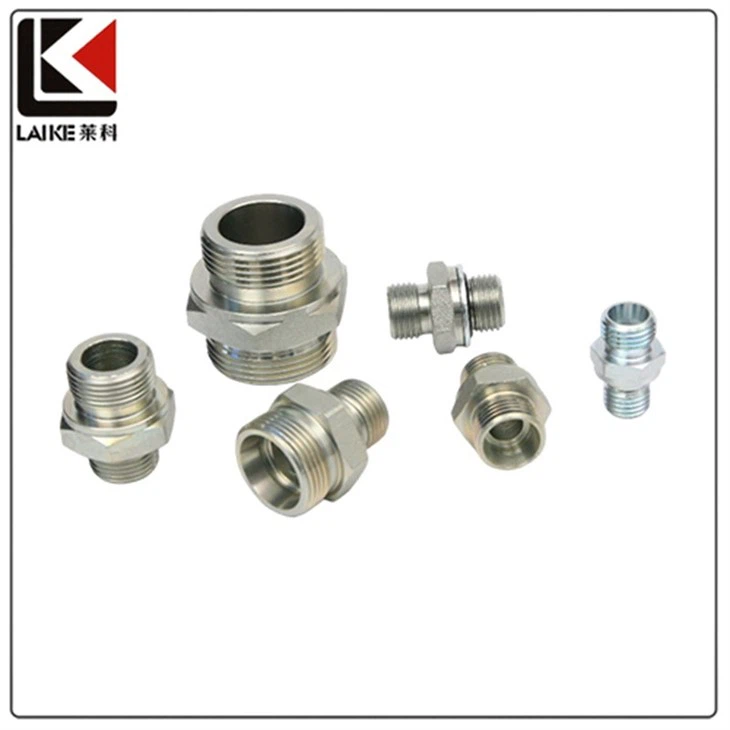
In most cases, the process is a straightforward one:
- Ensure that the end of the hose to be attached is neatly cut.
- Unscrew the sealing cap from the connector and pass this over the end of the hose.
- Firmly screw or slide the connector onto the hose.
- Slide the sealing cap back up the hose and onto the cap, screwing it back into place. This will push the spokes around the end of the connector into the hose, creating a firm connection.
- Connect your tap, hose, nozzle, or other attachment to the connector and use.
Selecting the appropriate end fittings for hose fittings is pivotal for the system’s efficiency, safety, and durability. It requires a careful evaluation of multiple factors to ensure optimal performance. Let’s delve deeper into each consideration:
Size: Proper sizing is foundational. Ensure that the internal and external diameters of the fittings correspond seamlessly with the hose. Incompatible sizes could result in improper sealing, leading to leaks or outright system failures.
Material compatibility: The fitting material must be chemically compatible with the hydraulic fluid to avoid degradation or corrosion. Common materials include brass, aluminum, steel, and stainless steel. When sealing is concerned, O-rings made from NBR (Nitrile) are frequently employed. Make sure to verify material compatibility with the fluid and the surrounding environment.
Temperature resilience: The fittings should be resilient to the operating temperatures of your system—both the material and the type of fitting play a crucial role in ensuring temperature endurance.
Pressure ratings: It’s paramount to use fittings that are rated for the specific pressure range of your application. Employing fittings in conditions exceeding their rated pressure can pose safety risks and compromise the system’s longevity.
Application specifics: The industry or specific use case can dictate the fitting style. For mixing or distribution purposes, specific configurations like T-shaped or cross-shaped fittings might be more appropriate.
Assembly requirements: If your system necessitates frequent hose connections and disconnections, quick-connect fittings are invaluable. Compression hydraulic fittings can also be an alternative, offering a tight seal without welding or soldering.
Permanence vs. Flexibility: Your operational needs will dictate whether you require permanent fittings or those that allow for regular changes. While field attachable fittings are suitable for frequent alterations, crimped fittings achieved through a crimping machine offer a more permanent and robust connection.
Hydraulic fluid consideration: The nature of the hydraulic fluid can significantly influence the coupling choice. It’s essential to recognize that not every fitting is compatible with every hydraulic fluid type, be it petroleum-based, water-based, or synthetic.
Installing Hose Fittings
Selecting the appropriate end fittings for hose fittings is pivotal for the system’s efficiency, safety, and durability. It requires a careful evaluation of multiple factors to ensure optimal performance. Let’s delve deeper into each consideration:
Size: Proper sizing is foundational. Ensure that the internal and external diameters of the fittings correspond seamlessly with the hose. Incompatible sizes could result in improper sealing, leading to leaks or outright system failures.
Material compatibility: The fitting material must be chemically compatible with the hydraulic fluid to avoid degradation or corrosion. Common materials include brass, aluminum, steel, and stainless steel. When sealing is concerned, O-rings made from NBR (Nitrile) are frequently employed. Make sure to verify material compatibility with the fluid and the surrounding environment.
Temperature resilience: The fittings should be resilient to the operating temperatures of your system—both the material and the type of fitting play a crucial role in ensuring temperature endurance.
Pressure ratings: It’s paramount to use fittings that are rated for the specific pressure range of your application. Employing fittings in conditions exceeding their rated pressure can pose safety risks and compromise the system’s longevity.
Application specifics: The industry or specific use case can dictate the fitting style. For mixing or distribution purposes, specific configurations like T-shaped or cross-shaped fittings might be more appropriate.
Assembly requirements: If your system necessitates frequent hose connections and disconnections, quick-connect fittings are invaluable. Compression hydraulic fittings can also be an alternative, offering a tight seal without welding or soldering.
Permanence vs. Flexibility: Your operational needs will dictate whether you require permanent fittings or those that allow for regular changes. While field attachable fittings are suitable for frequent alterations, crimped fittings achieved through a crimping machine offer a more permanent and robust connection.
Hydraulic fluid consideration: The nature of the hydraulic fluid can significantly influence the coupling choice. It’s essential to recognize that not every fitting is compatible with every hydraulic fluid type, be it petroleum-based, water-based, or synthetic.
Installing Hose Fittings


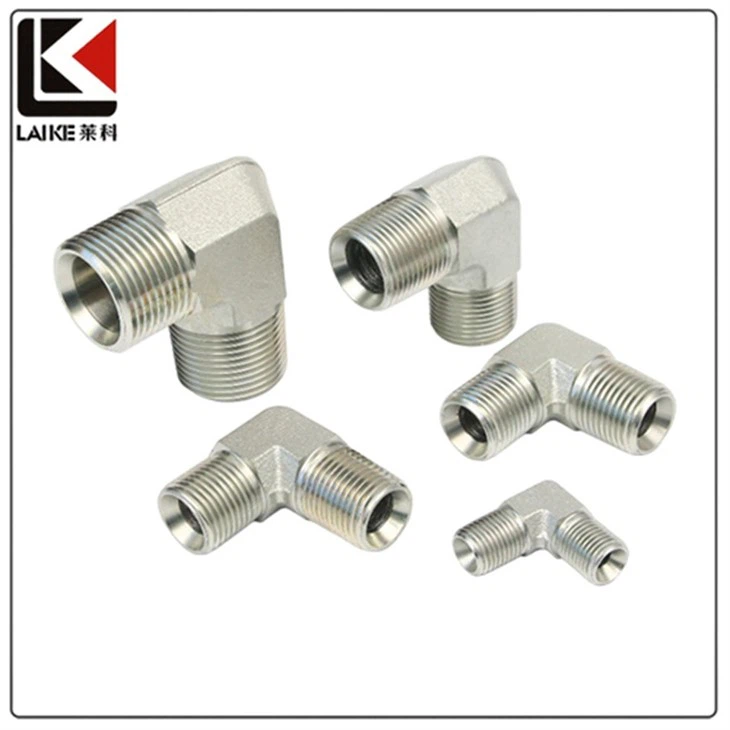
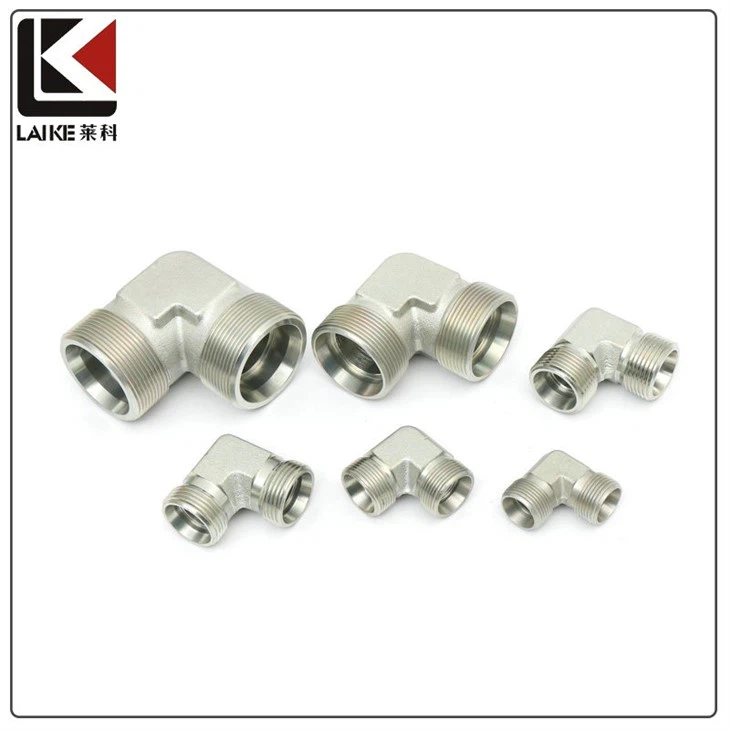
To ensure the safe and efficient operation of hydraulic systems, correct installation of hose fittings is crucial. The process is not just about attaching the fittings; it’s about ensuring a secure, leak-free connection. Building upon our competitor’s outline, here’s an expanded guide on how to install hose fittings:
●Preparation of the hose fitting
Measurement: Begin by measuring the length of the hydraulic hose needed for your specific application. Accurate measurements are essential to prevent any unnecessary strain or tension once installed.
Cutting: Use a designated hose cutter for a clean, precise cut. Clean cuts are vital as jagged or uneven ends can lead to improper fitting installation and increase contamination risks.
Inspection: Ensure the hose’s ends are clean and debris-free. Any contamination at this stage can compromise the entire hydraulic system.
●Selecting the Right Fitting
Factors to consider: Determine the appropriate fitting based on size, material, temperature and pressure tolerances, style, orientation, and the type of hydraulic fluid you’ll be using.
Reference: Always refer to manufacturer guidelines or application-specific documents to ensure you select the right fitting.
●Insertion depth determination
Marking: Once you’ve determined the depth of insertion for the fitting, mark the hose to serve as an insertion guide.
Lubrication: If recommended, apply a lubricant to facilitate easier hose insertion into the fitting.
Insertion: Gently but firmly insert the hose into the fitting until it reaches the marked depth.
●Crimping the connection
Crimper setup: Based on the diameter of your fitting, adjust your hydraulic crimper. Always consult the provided crimp chart or guidelines for accurate settings.
Positioning: Place the end of the hose, along with the fitting, inside the crimping machine, ensuring it’s aligned correctly.
Compression: Activate the crimper to compress and secure the fitting onto the hose.
●Final inspection and cleanup
Examination: Check the crimped connection for any inconsistencies or potential weak points.
Decontamination: Clean the entire hose assembly to ensure that no debris or contaminants remain, as these can hamper the system’s efficiency or even lead to failures.
Testing: Once everything is set up, it’s always a good practice to test the system under controlled conditions to verify the integrity of the connections and ensure there are no leaks.
Remember, while these steps provide a general guideline, always refer to the specific manuals or guidelines related to your hydraulic equipment to ensure the correct procedures are followed.
How to Maintain Hose Fitting
Check your accessories regularly
Regular inspections can help identify any signs of wear or damage, such as cracks or leaks. It is important to inspect accessories for signs of damage before and after each use.
Replace damaged accessories immediately
If any damage is found during inspection, damaged accessories should be replaced immediately to prevent further damage or failure.
Keep couplings clean
Dirt, debris, and other contaminants can accumulate on hose fittings, causing damage or corrosion over time. Keeping accessories clean by wiping them with a dry cloth or using compressed air can help prevent this problem.
Use the correct lubricant
Lubrication is very important to ensure smooth operation of hose fittings. However, the correct lubricant needs to be used, compatible with the accessories and hydraulic oil used in the system.
Follow manufacturer guidelines
Following manufacturer guidelines for maintenance and replacement ensures that hose fittings are properly maintained and provide reliable performance.
Hose fittings are usually installed in pneumatic equipment for many purposes, like joining two hoses or controlling the air direction. Since this is a critical role, especially in industrial applications, these connectors are chemically resistant and have exceptionally tight seals to prevent leakage.
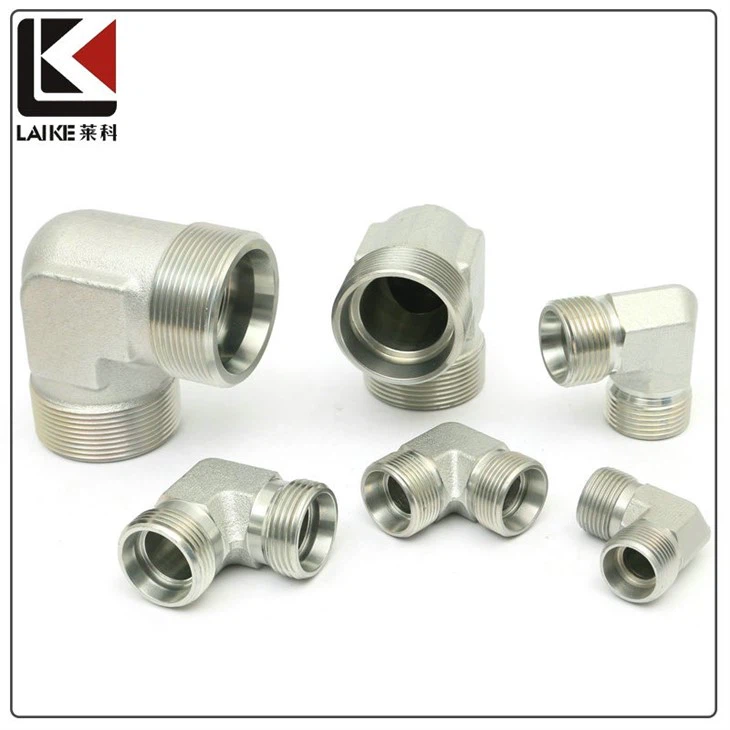
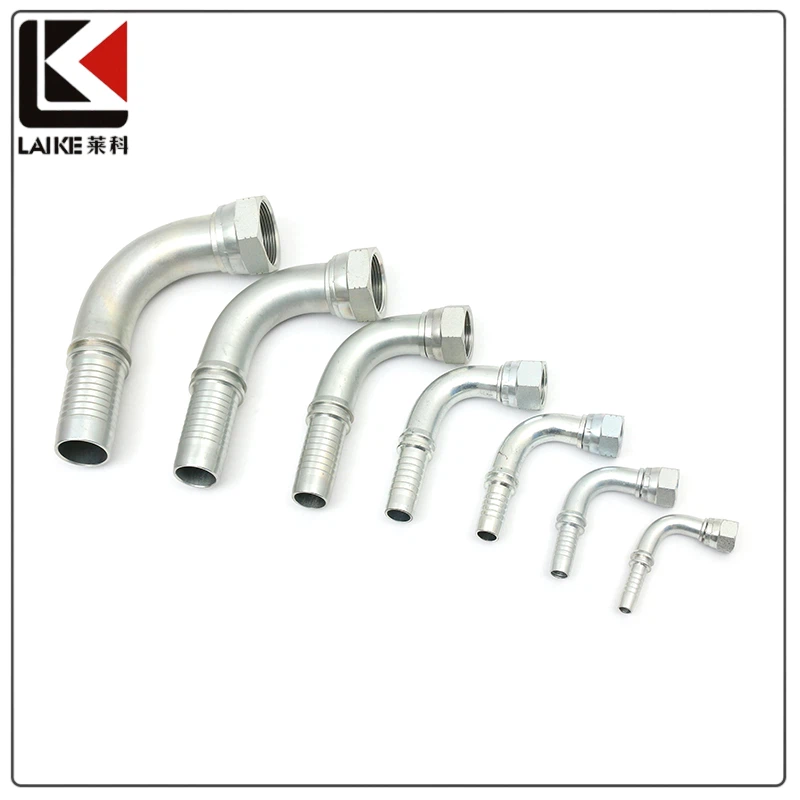
- The size of fitting should fit with the size of hose. It shouldn’t be too tight and shouldn’t be too loose as well.
- If there is rust or crack on the fitting, never use it.
- The fitting should be long enough to contain the external clamp.
- If used in high pressure and high temperature, we suggest you choose the fitting with spines. But the spines should not be too sharp, or it will hurt the inner tube of hose.
- Fasten the clamps carefully and refasten them if necessary. The deformation of clamps will cause hose leak and disconnect.
Established in 1995, Laike hydraulics is committed to developing and manufacturing hydraulic fittings, adapters, hose assemblies and other related products that are widely used in mining, machinery, transportation, shipping, and oil fields. We now own plant of 18,000 square meters, 200 machines, 100 employees and store 40,000 kinds of regularly used items.

FAQ
We're professional hose fitting manufacturers and suppliers in China, specialized in providing high quality customized service. We warmly welcome you to wholesale high-grade hose fitting from our factory.
NPT Adapters, R15 Wire Spiral Hose GB T 10544 R15 EN 856 R15 , Hose Ferrule