


Company Profile
Established in 1995, Laike hydraulics is committed to developing and manufacturing hydraulic fittings, Adapters, Hose assemblies and other related products that are widely used in mining, machinery, transportation, Shipping, And oil fields. We now own plant of 18,000 square meters, 200 machines, 100 employees and store 40,000 kinds of regularly used items.
It is the long-standing commitment to "First class design, First class products, First class service" that has made Laike Hydraulics a name synonymous with hydraulic fittings and adapters. We welcome everyone to visit us.
Why choose us
High quality
Our products are manufactured or executed to very high standards, Using the finest materials and manufacturing processes.
Professional team
Our professional team collaborate and communicate effectively with one another, and are committed to delivering high-quality results. They are capable of handling complex challenges and projects that require their specialized expertise and experience.
Long warranty
The long-term warranty is designed to give consumers more confidence that their purchases and services will continue to be valid.
Rich experience
Dedicated to strict quality control and attentive customer service, our experienced staff is always available to discuss your requirements and ensure complete customer satisfaction.


Product Categories
Latest Products
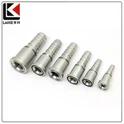
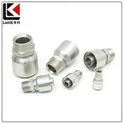
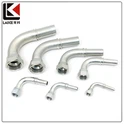
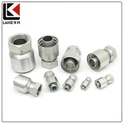
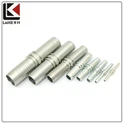
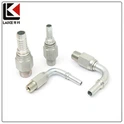
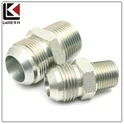
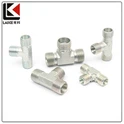
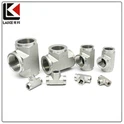
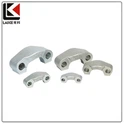
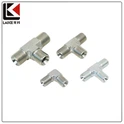
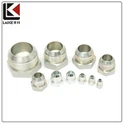
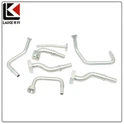

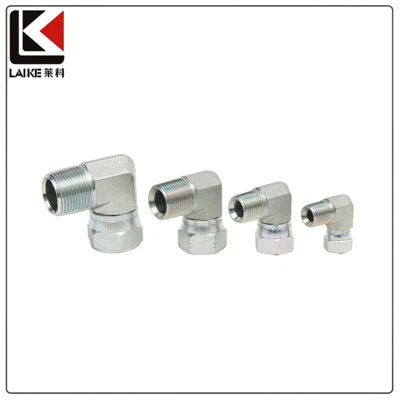
Hydraulic adapters are used to connect hydraulic hoses and pipes to pumps, valves, hydraulic cylinders and other parts of the hydraulic system. Hydraulic equipment usually operates under high pressure and is usually not a fixed system. Therefore, hydraulic accessories need to be sturdy, versatile, and reliable to operate safely and effectively in their respective applications. Although hydraulic fittings seem to be small components, they are crucial. Choosing the wrong fittings can have serious consequences. These accessories usually follow strict standards, which specify the structure, size and pressure rating of the accessories.
Benefits of Hydraulic Adapter
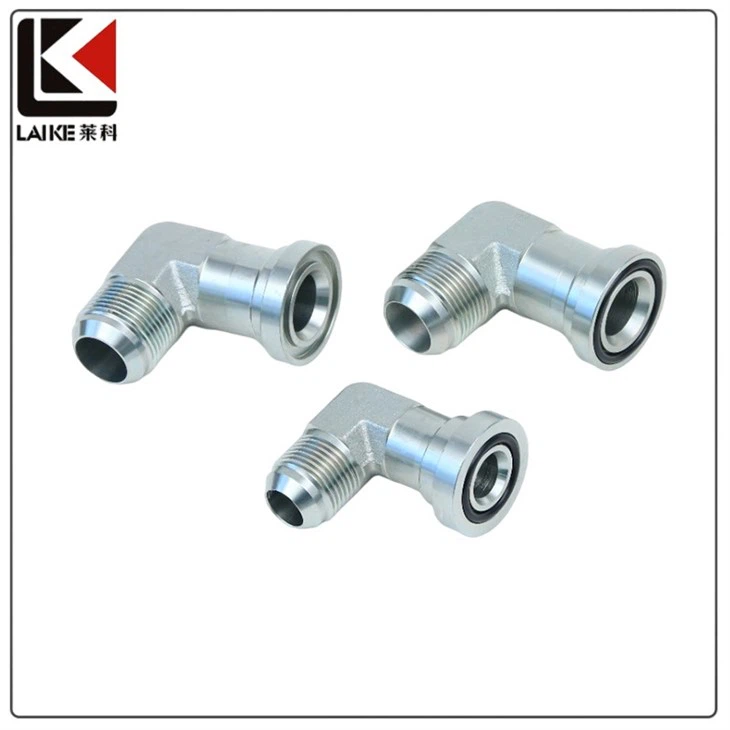
Compatibility and versatility
One of the key benefits of using hydraulic adapters is their compatibility with different types of hydraulic fittings. These adapters are designed to accommodate various thread sizes and configurations, allowing for easy connection between mismatched fittings. This versatility ensures that the hydraulic system remains functional and efficient, even when using different brands or models of hydraulic components.

Flexibility in system design
Hydraulic adapters offer tremendous flexibility in system design. By providing a means to connect different types of fittings, they enable engineers and designers to create custom hydraulic systems that meet specific requirements. This flexibility extends to adapting hydraulic systems to evolving needs or retrofitting outdated systems with modern components.

Increased efficiency
Using hydraulic adapters can significantly improve the overall efficiency of hydraulic systems. By connecting mismatched hydraulic fittings, these adapters eliminate the need for time-consuming and costly modifications to existing hydraulic components. This reduces downtime and ensures that the hydraulic system operates at optimal efficiency, resulting in improved productivity and cost savings.

Reduction in hydraulic system complexity
With the help of hydraulic adapters, the complexity of the hydraulic system can be minimized. By providing a simple and reliable method for connecting different fittings, these adapters eliminate the need for additional components such as connectors, couplings, or complex modification procedures. This reduction in complexity not only streamlines the system but also improves its overall reliability and ease of maintenance.
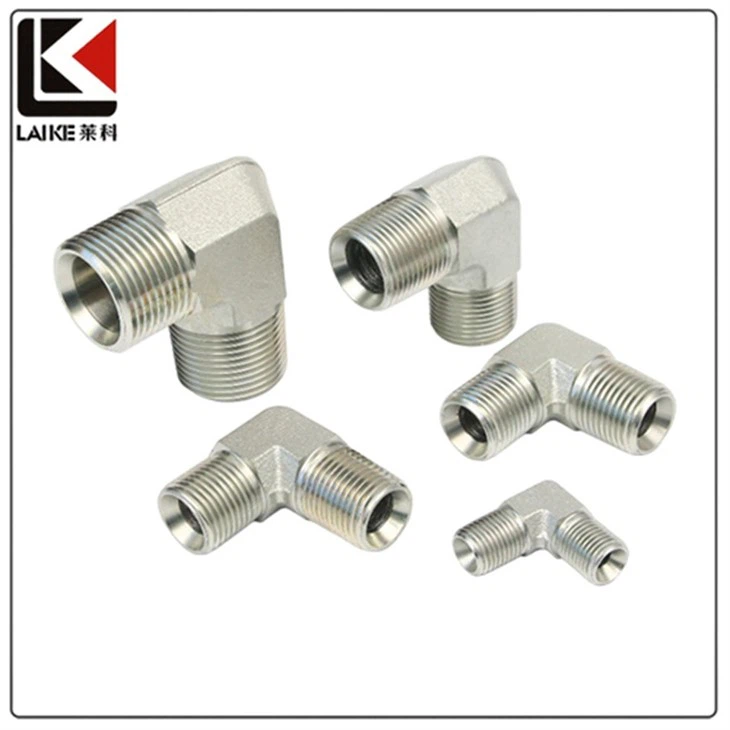
Cost-effective solution
Hydraulic adapters offer a cost-effective solution for hydraulic system design and maintenance. Rather than replacing entire hydraulic components or modifying existing fittings, these adapters provide a more economical alternative. By allowing for the connection of mismatched fittings, they extend the lifespan of existing components and reduce the need for costly upgrades or replacements.

Quick and easy installation
The installation process for hydraulic adapters is quick and straightforward. With their simple design and ease of use, these adapters can be installed in minutes, minimizing downtime and maximizing operational efficiency. This ease of installation also means that hydraulic adapters can be easily swapped or replaced as needed, providing a convenient solution for maintenance or system reconfiguration.
Types of Hydraulic Adapter
Straight adapters
Straight adapters, as the name suggests, are used to connect two hydraulic lines in a straight line. These adapters typically feature male threads on one end and female threads on the other, allowing for easy installation and connection. They are commonly used in applications where a straight connection is required, such as in hydraulic fluid transfer systems.
Elbow adapters
Elbow adapters, also known as fittings or connectors, are used when a change in direction is needed in a hydraulic line. These adapters come in various angles, such as 45 degrees or 90 degrees, allowing for flexibility in routing hydraulic lines. Elbow adapters enable hydraulic lines to navigate around obstacles or fit into limited spaces, making them indispensable in tight or compact hydraulic systems.
Tee adapters
Tee adapters are used to split a hydraulic line into two or join two lines into one. These adapters have three openings, forming a "T" shape when viewed from above. Tee adapters are widely used in hydraulic systems that require branching or merging of hydraulic lines, such as in hydraulic power units or hydraulic manifolds.
Cross adapters
Similar to tee adapters, cross adapters have four openings, forming a "+" shape when viewed from above. These adapters are used to connect four hydraulic lines, allowing for more complex hydraulic configurations. Cross adapters find applications in hydraulic systems with multiple hydraulic lines requiring connection or branching, maximizing the versatility of hydraulic systems.
Bulkhead adapters
Bulkhead adapters are specialized adapters designed to provide a secure connection through a barrier, such as a wall or panel. These adapters typically feature a lock nut or compression fitting on one side to secure the connection and ensure a tight seal. Bulkhead adapters are widely used in various industries, including automotive, construction, and aerospace, where hydraulic lines need to pass through walls or other barriers.
Compression adapters
Compression adapters are uniquely designed for quick and simple connections without the need for specialized tools or equipment. These adapters feature compression fittings on both ends, allowing for easy installation and removal. Compression adapters are commonly used in applications where frequent line changes or repairs are necessary, promoting efficiency and minimizing downtime.
Flange adapters
Flange adapters are used to connect hydraulic lines to equipment or components with flanged connections. These adapters feature a flanged end that matches the flange connections on the equipment, providing a secure and leak-free connection. Flange adapters are especially important in applications where high pressure and reliability are crucial, such as in heavy machinery or industrial processes.
When it comes to hydraulic adapters, materials are more than just a minor detail; they change the rules of hydraulic system use. The material you choose affects the longevity, rust resistance, and strength of your adapter.
Carbon steel
Carbon steel is strong, which means it can withstand a lot of pressure. But beware of rust. Over time, carbon steel can corrode, especially when exposed to moisture.
Stainless steel
Next up is stainless steel. This material is a champion of corrosion resistance. If you’re worried about rust, it’s your go-to choice. The downside is that it is more expensive than carbon steel.
Brass
Brass material is resistant to heat and corrosion. If you want both strength and rust resistance, brass is a good middle ground.

Application of Hydraulic Adapter
Automotive
In cars and trucks, adapters are essential. They help connect various components such as brake lines and power steering systems.
01
Industrial
In factories and production lines, adapters help connect mechanical and hydraulic lines. They play an important role in automating processes, making work easier and more efficient.
02
Agriculture
In agricultural equipment such as tractors and harvesters, adapters are invaluable. They facilitate fluid flow, making machinery more efficient and less likely to break down.
03
Aerospace
The safety of airplanes and spacecraft is of paramount importance. Adapters here must meet stringent standards. They play a role in systems from hydraulics to fuel lines, ensuring that everything runs smoothly.
04
Marine
Boats and ships also rely on hydraulic adapter connectors. They are commonly used in steering systems and to operate winches. Due to the harsh saltwater environment, quality adapters are usually corrosion resistant.
05
Hydraulic Adapter Connection Methods


Threaded connections
Threaded connections are the most common type of connection. Common adapters are available with different types of threads, such as JIC, SAE, JIS, BSP, NPT, and ORFS. because the threaded connection is the most common connection, it is usually the most cost-effective and easy to install. Installation is simply a matter of screwing the adapter into place. But remember, torque is key. If it’s tightened too tightly or too loosely, it can lead to leaks. Therefore, it is important to torque it just right so that leak-free operation goes smoothly.
Compression connections
Compression fittings consist of a fitting body, ferrule, and crimp nut, and include double and single ferrule fittings. Compression fittings are preferred for high-pressure applications. These fittings utilize force to hold the connection in place and are therefore very reliable under pressure. Therefore, if you work in an environment that involves the movement of high-pressure fluids, compression fittings are the best choice for you.
Push-to-connect
Push-in connections are the best choice for quick and easy assembly. You simply push the adapter into the receiving end and secure it with the appropriate clamp. However, they are not suitable for all situations, especially high pressures or temperatures. They are best suited for light to medium-duty applications.
Welded connections
Welded connections are the use of different solder to fix the adapter to the hydraulic application. They are permanent and therefore very robust and reliable. Once soldered, these adapters will not come off or move easily.
Proper installation of hydraulic adapters is crucial to prevent leaks, system failures, and potential damage to equipment. When installing hydraulic adapters, it is vital to follow manufacturer guidelines and industry standards. Here are some key steps to ensure proper installation:
Selection of the right adapter
It is essential to select the appropriate adapter for the specific application. Factors such as thread type, size, and material compatibility should be considered.
Thread preparation
Thoroughly clean and inspect the threads on the adapter and mating components. Remove any debris or contaminants that may affect the seal and connection quality.
Use of proper sealing
Ensure the use of appropriate sealing material, such as O-rings or thread sealants, to ensure a reliable and leak-free connection.
Torque application
Proper torque application is crucial to achieving a secure and leak-proof connection. Over-tightening or under-tightening can lead to leaks or damage to the adapter.
Inspections and testing
After installation, perform a thorough visual inspection to check for any signs of leakage or misalignment. Conduct pressure tests, if necessary, to ensure the integrity of the connection.
Compatibility with system components
One of the primary considerations when choosing hydraulic adapters is compatibility with the system components. It is crucial to select adapters that are designed to connect and fit seamlessly with the existing hydraulic components. A mismatched or incompatible adapter can lead to leaks, pressure drops, and potential damage to the system. Therefore, it is important to identify the thread size, type, and pressure ratings of the system components before choosing the appropriate adapter.
Material and construction
The material and construction of hydraulic adapters determine their durability, strength, and resistance to corrosion and wear. Common materials used in hydraulic line adapters include steel, stainless steel, brass, and aluminum. Steel adapters are highly durable and suitable for heavy-duty applications. Stainless steel adapters offer excellent corrosion resistance, making them ideal for use in harsh environments. Brass adapters are cost-effective and suitable for low-pressure applications. Aluminum adapters are lightweight and commonly used in mobile hydraulic systems.
Thread type and size
The thread type and size of hydraulic adapters must match the corresponding ports on the system components. It is crucial to accurately identify the thread type, such as NPT (National Pipe Thread), BSPP (British Standard Pipe Parallel), or Metric, to ensure a proper connection. Additionally, the thread size should be determined precisely to avoid any leakage or pressure loss. Both thread diameter and pitch should be considered while selecting the adapter.
Pressure rating and flow capacity
Hydraulic adapters are subjected to varying pressures and flow rates depending on the specific application. It is imperative to choose adapters that can handle the maximum pressure and flow requirements of the hydraulic system. Adapters with lower pressure ratings can result in system failure and safety hazards. It is recommended to consult the system specifications and ensure that the selected hydraulic line adapter can handle the expected pressure and flow.
Seal type
A reliable sealing mechanism is vital to prevent leaks and maintain the efficiency of the hydraulic system. Hydraulic adapters employ various sealing methods, including O-rings, metal seals, or cone seats. The seal type should be selected based on the system requirements, fluid compatibility, and operating conditions. O-rings provide excellent sealing efficiency and versatility, making them widely used in hydraulic systems.
Environmental factors
Another crucial aspect to consider when choosing hydraulic adapters is the environment in which they will be operating. Factors such as temperature variations, exposure to chemicals or fluids, and vibrations can influence the performance and longevity of the adapters. It is crucial to select adapters that are resistant to the specific environmental conditions to ensure optimal performance and avoid premature failure.
How to Maintain Hydraulic Adapter
Regular maintenance is essential to prolong the lifespan and performance of hydraulic adapters. Here are some key maintenance practices to consider:
Inspection: Regularly inspect hydraulic adapters for any signs of wear, corrosion, or damage. Replace any damaged or worn-out adapters promptly.
Cleanliness: Maintain cleanliness in the hydraulic system to prevent contamination and damage to the adapters. Clean the area around the adapters regularly to remove dirt, debris, or foreign particles.
Lubrication: Apply a suitable lubricant on the threads of the adapters to facilitate ease of installation and prevent galling or seizure during assembly.
Follow manufacturer recommendations: Adhere to the manufacturer's guidelines regarding maintenance intervals and recommended practices for specific hydraulic adapters.
Proper installation and maintenance of hydraulic adapters are vital for the reliable and efficient functioning of hydraulic systems. Adhering to industry standards, selecting the right adapter, and following proper installation procedures significantly reduce the risk of leaks and system failures. Regular inspection and maintenance practices ensure the longevity of hydraulic adapters and optimize the overall performance of the hydraulic system. By prioritizing the installation and maintenance of hydraulic adapters, companies can ensure the continuous operation of their hydraulic systems, minimizing downtime and enhancing productivity.

Established in 1995, Laike hydraulics is committed to developing and manufacturing hydraulic fittings, adapters, hose assemblies and other related products that are widely used in mining, machinery, transportation, shipping, and oil fields. We now own plant of 18,000 square meters, 200 machines, 100 employees and store 40,000 kinds of regularly used items.
FAQ
We're professional hydraulic adapter manufacturers and suppliers in China, specialized in providing high quality customized service. We warmly welcome you to wholesale high-grade hydraulic adapter from our factory.
American Adapter, ORING Hydraulic Fittings, Adapter Hydraulic