


Quick Coupling
Company Profile
Established in 1995, Laike hydraulics is committed to developing and manufacturing hydraulic fittings, Adapters, Hose assemblies and other related products that are widely used in mining, machinery, transportation, Shipping, And oil fields. We now own plant of 18,000 square meters, 200 machines, 100 employees and store 40,000 kinds of regularly used items.
It is the long-standing commitment to "First class design, First class products, First class service" that has made Laike Hydraulics a name synonymous with hydraulic fittings and adapters. We welcome everyone to visit us.
Why choose us
High quality
Our products are manufactured or executed to very high standards, Using the finest materials and manufacturing processes.
Professional team
Our professional team collaborate and communicate effectively with one another, and are committed to delivering high-quality results. They are capable of handling complex challenges and projects that require their specialized expertise and experience.
Long warranty
The long-term warranty is designed to give consumers more confidence that their purchases and services will continue to be valid.
Rich experience
Dedicated to strict quality control and attentive customer service, our experienced staff is always available to discuss your requirements and ensure complete customer satisfaction.


Product Categories
Latest Products
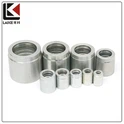
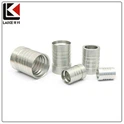
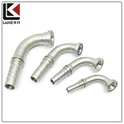
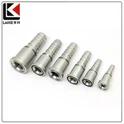
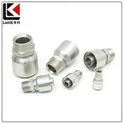
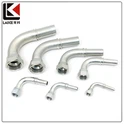
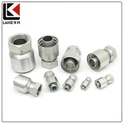
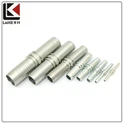
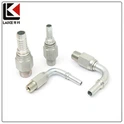
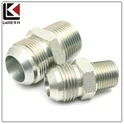
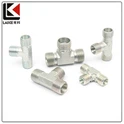
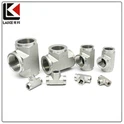
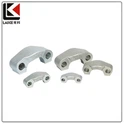
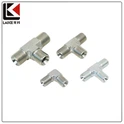
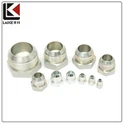
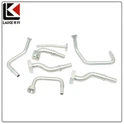

A quick coupling, also known as a quick disconnect coupling, is a mechanical device designed to allow the rapid separation and connection of fluid lines without the need for tools. These devices are commonly used in hydraulic and pneumatic systems where the ability to quickly change equipment or perform maintenance is essential.
Quick couplings consist of two main components: a male part (plug) and a female part (socket). When connected, they form a leak-tight seal, ensuring that the fluid within the system remains contained. The design of a quick coupling allows for easy operation with a simple push-and-turn or poppet mechanism, depending on the type.
Benefits of Quick Coupling


Spill prevention
These fittings improve performance and reduce media spillage, including hydraulic fluid or air. As a result, spills are reduced, making the environment cleaner and protecting workers.
Significantly reduced inclusion
Inclusion happens when air or contaminants enter the system. This is because contaminants can enter a system when a coupling is disconnected. But a quick coupling allows next-to-no inclusion each time it is disconnected and reconnected.
Increased efficiency
Quick couplings are easy to connect, which means significantly less time spent changing pieces of equipment and more time getting the work done. Less downtime means jobs are done faster, which results in time to take on even more work.
Reliability in harsh environments
Quick disconnects provide secure connections even if left connected for long periods of time. Their quality construction and rugged materials make them durable enough to withstand harsh working conditions and repeated connections and disconnections without failure.
Elimination of accidental disconnections
With important connections in key or even dangerous areas, an accidental disconnection can be disastrous. Some quick couplings are designed to avoid these unintentional disconnections so that the equipment can operate safely and efficiently.
Bellows couplings
Bellows couplings have twin coupling ends called hubs. Bellows couplings are popular due to their remarkable torsional rigidity for the accurate transmission of velocity, torque, and angular position. Their slight flexibility functions to address amounts of angular, axial, and parallel misalignment that is limited between the shafts or other joined components.
Bushed coupling
Bush couplings are primarily used as flexible links in applications that require reliable link transfer under severe operating conditions. Bush couplings are composed of two hubs constructed from different materials and fitted with pins where the attachment of rubber bushes is done.
Diaphragm coupling
This type of coupling consists of at least one metallic membrane which is attached at the diameter of the outside of the drive flange and transfers torque in a radial manner through the diaphragm to an inside diameter attachment.
Disc coupling
This type of coupling serves to transmit torque from a driving to a driven bolt or shaft on a common bolt circle and tangentially. Through a series of thin, stainless steel discs assembled in a pack, the torque is transmitted between the bolts. If the material between the bolts is deformed, the misalignment is accomplished.
Flange coupling
These couplings drive couplings between the rotating shafts that consist of flanges. At the end of each shaft, one flange is fixed; through a ring of bolts the two flanges are bolted together to complete the drive. The flange coupling seals in two tubes together. In this two piece coupling unit, a receiving side that is keyed to be fastened to the flanged end is present, so it may be connected to the flanged tube end that is opposing.
Gear coupling
These types of couplings are designed for the transmission of torque between two shafts that are not collinear. They are typically composed of two flexible joints, one fixed to each shaft. The joints are connected by means of a spindle, or third shaft. The gear coupling’s purpose is to connect the drive motor to the gearbox in hoist mechanisms. But it can also serve to connect the gearbox to smaller wire rope drums directly, through a flanged half.
Grid coupling
Grid couplings, such as disc and gear couplings, are designed for applications that require a high torque density. These types of couplings consist of two shaft hubs, a horizontally split cover kit, and a serpentine grid. Grid couplings are perfect suits for shock loading applications.
Jaw coupling
The jaw couplings are typically utilized in motion control applications. They are designed to transmit torque while damping system vibrations and accommodating misalignment, which prevents damaging other components.
Oldham coupling
These types of couplings are composed of three pieces, with two pieces being lightweight corrosion-resistant stainless steel or aluminum hubs and one piece being a center disk. Oldham couplings are typically applied in servo-driven mechanisms which need low inertia and precise motion control.
Roller chain coupling
This type of coupling is a mechanical device that consists of a double-strand roller chain and two modified sprockets. The design of this type of coupling is simple and effective, despite its small size, and consists of a chain that is robust and specially cut, hardened-tooth sprockets that permit the transmission of a high amount of torque.
Quick couplings
These types of couplings are also called quick-connect couplers. They are general purpose couplings that can be connected at either end of the connection. Quick couplings can be connected and disconnected with great ease because they are compact but very robust and sturdy in their application. These types of couplings are highly reliable since they are able to provide unswerving service in transferring fluid for hydraulic, pneumatic, and vacuum systems.
Sleeve or muff coupling
Sleeve or muff couplings are basic types of couplings. It consists of a pipe whose bore is finished to the tolerance that is required based on the size of the shaft. A keyway is made in the bore, based on the usage of the coupling. This keyway is made for transmitting the torque using the key.
The beauty of the quick coupling is its simple design. It is comprised of three individual components: a collet, an O-ring, and a body. The body of the fitting conceals the O-ring and collet on either end. Your tubing is meant to be inserted through the collet, through the O-ring, and into the body of the fitting. These three components create the water-tight seal.
As pressure increases inside of the tubing, the water or air forces the collet into a groove on the inside of the fitting. The grooves compress the collet so that the little teeth on the inside of the collet dig into the tubing, making it virtually impossible for the tubing to disconnect. Consequently, the harder you pull on the tubing, the tighter the collet holds onto it. As the collet continues to hold the tubing in place, the O-ring seals the space between your tubing and the fitting that it is connected to, making it water tight. The most common reason for experiencing a leak with a quick coupling is that the tubing did not get pushed into the fitting all the way.
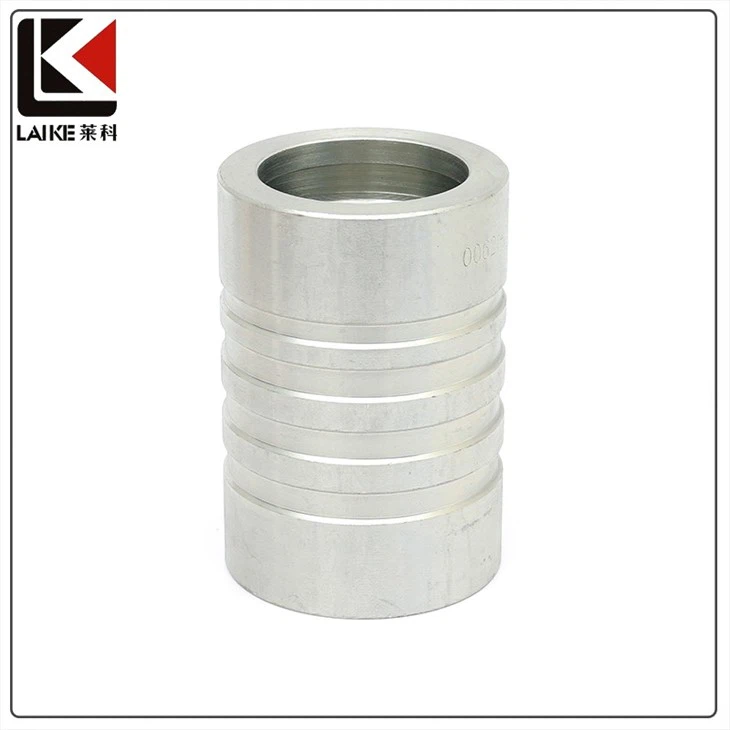
Material of Quick Coupling
The materials for quick couplings are typically selected based on the fluids being transported through the system. Other selection factors include cost, flexibility, environmental conditions, and required pressure ratings. Material choices include different types of plastic or metal.
Common metals include:
Aluminum - Lightweight and corrosion resistant. Aluminum is commonly used for plumbing and is the preferred fitting material for aluminum tubing. By itself, aluminum has low tensile strength and is used when high corrosion resistance is needed. It is alloyed with zinc, copper, silicon, manganese, and/or other metals to improve its strength and hardness.
Brass - Strong, durable, and corrosion resistant, with high temperature ductility and good conductivity. Brass is an alloy of copper and zinc, and is a commonly used quick coupler material because of its machinability and its excellent performance properties. Brass fittings can have various protective or decorative finishes which should match the finish of the tubing.
Cast iron - Strong and highly abrasion resistant. Cast iron fittings and tubes are used primarily in building construction for sanitary, storm drain, waste, and vent tubing applications because of their resistance to abrasive materials like sand, gravel, solid wastes, and debris.
Copper - Extremely corrosion resistant with excellent conductivity. Copper fittings are important for many plumbing and heating applications, and are commonly used for residential water supply lines. Copper fittings are usually used in conjunction with copper tubing, and come in either soft or rigid forms. Soft or ductile copper is easily bent and maneuvered, and is the only type suitable for flare connections. Rigid copper is not bendable and requires directional fittings to go around corners and obstacles.
Steel - Durable and strong, with a high resistance to heat. Steel is an alloy of iron and carbon - it is commonly alloyed with other metals to improve its corrosion resistance and durability. It is used in both commercial and industrial applications for carrying water, flammable gases, and other fluids. Galvanized steel is coated with zinc for rust and chemical corrosion resistance. Carbon steel is alloyed with higher levels of carbon for increased durability and strength.
Stainless steel - Relatively strong with excellent chemical and corrosion resistance. Stainless steel is an alloy of steel that contains over 10.5% chromium, providing excellent corrosion resistance for sanitary applications and those dealing with aggressive fluids and materials. It is a common choice of material for quick couplings.
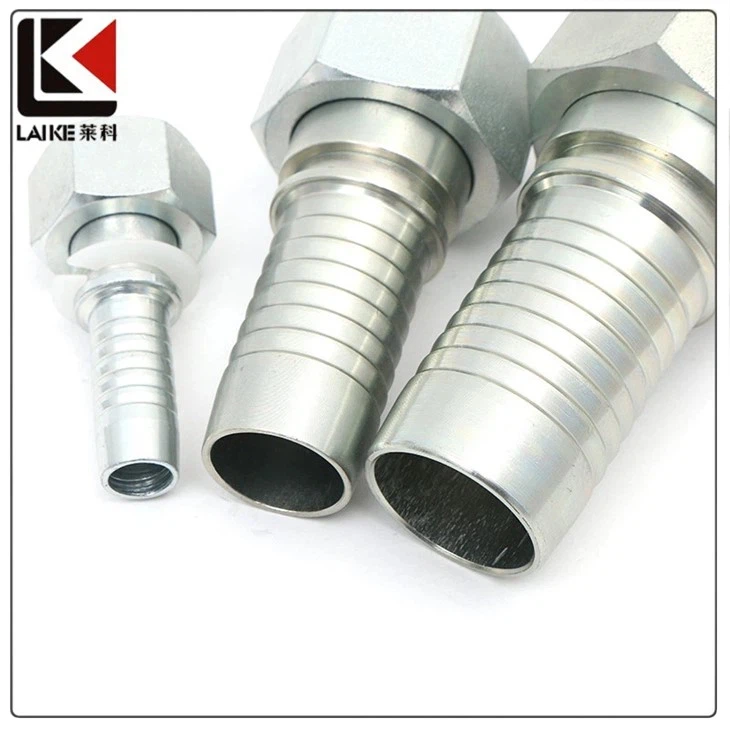
To install tubing into a quick coupling, you must simply insert the tubing through the collet and O-ring, and into the body of the fitting. The only trick is to make sure you have inserted the tubing all the way into the fitting. If you have not pushed your tubing past the O-ring on the inside of the fitting, you will experience a leak because the O-ring is not sealing properly. One way to ensure that your tubing has been inserted all the way is to mark the end of it at about the three-quarter inch line. When you press the two pieces together, the three-quarter inch line should disappear into the fitting.
When a tube is installed in a fitting, the collet grabs onto it with its teeth. This feature holds the tube in place so that it does not slip out. When you pull on the tubing, the collet works against you and clamps harder onto the tube. To release it, you must pull the collet down towards the fitting (to release its teeth from the tubing) and pull the tubing away from the fitting. This easy process allows you to connect and release this fitting easily and quickly so you can work quickly and stay productive.

Application of Quick Coupling
Hydraulic systems
Quick couplings are widely used in hydraulic systems to facilitate the rapid connection and disconnection of hoses and other components. This is crucial in applications where fluid transfer needs to be efficient and where frequent connections and disconnections occur.
Pneumatic systems
Similar to hydraulic systems, pneumatic systems utilize quick couplings for fast and easy connections between components, such as air hoses and tools.
Automotive industry
Quick couplings are employed in automotive applications for various purposes, including fuel lines, brake systems, and air conditioning systems. They allow for easy assembly and disassembly during manufacturing and maintenance.
Plumbing
In plumbing, quick couplings are used to connect pipes and hoses without the need for extensive threading or soldering. This is particularly useful in situations where quick repairs or modifications are necessary.
Industrial manufacturing
Quick couplings play a role in industrial settings where different tools or equipment need to be connected and disconnected swiftly. This enhances overall operational efficiency.
Agriculture
Agricultural machinery often utilizes quick couplings for connecting hoses and implements. This allows farmers to quickly switch between different tools and equipment.
Medical devices
In some medical applications, quick couplings are used for connecting various components of medical devices or equipment.
Water and fluid transfer
Quick couplings are employed in applications where water or other fluids need to be transferred efficiently, such as in irrigation systems or firefighting equipment.

Quick couplings are used in many hydraulic and pneumatic applications. Quick-connect fittings are also used in under-counter point of use systems, such reverse osmosis and ultrafiltration systems. In many of these systems, the quick-connect fittings are built right into the system to make installation as easy as possible for residential users. A variety of OEM manufacturers use quick-connect fittings on products that move or filter water. These fittings are also rated for pneumatic use for compressed air or gas.
Clean coupling zones and use protective caps
A little attention and preventive maintenance during daily use will extend the lifetime performance of hydraulic quick couplings. Prior cleaning of the coupling zones and use of suitable protective caps is such a small cost in terms of effort and time, although makes a significant difference in terms of long term performance and durability.
Do not use tools which may cause damage and leaks
Quick couplings are designed to operate without the need for other tools, which may cause damage and compromise functionality. Release of residual pressure, in particular, must be entrusted to the appropriate mechanisms since external intervention will cause unwanted leakage and possible contamination of the ground.
Follow periodic maintenance checks
Checks are to be carried out periodically with an interval that will depend on the application to pre-empt complications during use.
Recommended maintenance includes the following:
- Thorough cleaning of external components
- lubrication of coupling zones or moving parts with oil/grease compatible with the specific seals
- Coupling and decoupling tests
- Check of correct tightening torque of adapters
- Check of both coupled and decoupled seal
- Check of degree of hydraulic contamination of circuit
Timely replace quick couplings as needed
Based on the results of the tests, replacement of the quick coupling should be assessed and planned well in advance so as not to cause interruption to daily operation due to inefficiency or wear of the component.
Established in 1995, Laike hydraulics is committed to developing and manufacturing hydraulic fittings, adapters, hose assemblies and other related products that are widely used in mining, machinery, transportation, shipping, and oil fields. We now own plant of 18,000 square meters, 200 machines, 100 employees and store 40,000 kinds of regularly used items.

FAQ
We're professional quick coupling manufacturers and suppliers in China, specialized in providing high quality customized service. We warmly welcome you to wholesale high-grade quick coupling from our factory.
BSPT Adapter, NPT Adapters, 1T One Wire B1T One Wire Braid Hose SAE 100 R1AT raid Hose SAE 100 R1AT