


Company Profile
Established in 1995, Laike hydraulics is committed to developing and manufacturing hydraulic fittings, Adapters, Hose assemblies and other related products that are widely used in mining, machinery, transportation, Shipping, And oil fields. We now own plant of 18,000 square meters, 200 machines, 100 employees and store 40,000 kinds of regularly used items.
It is the long-standing commitment to "First class design, First class products, First class service" that has made Laike Hydraulics a name synonymous with hydraulic fittings and adapters. We welcome everyone to visit us.
Why choose us
High quality
Our products are manufactured or executed to very high standards, Using the finest materials and manufacturing processes.
Professional team
Our professional team collaborate and communicate effectively with one another, and are committed to delivering high-quality results. They are capable of handling complex challenges and projects that require their specialized expertise and experience.
Long warranty
The long-term warranty is designed to give consumers more confidence that their purchases and services will continue to be valid.
Rich experience
Dedicated to strict quality control and attentive customer service, our experienced staff is always available to discuss your requirements and ensure complete customer satisfaction.
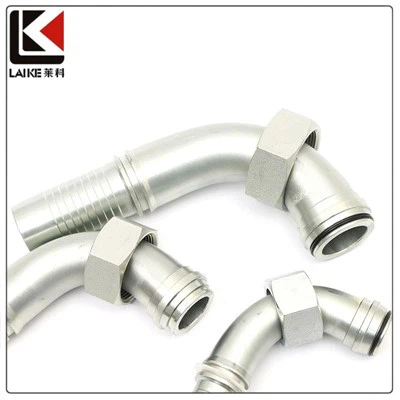


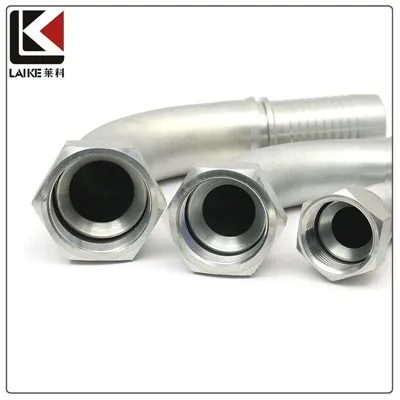


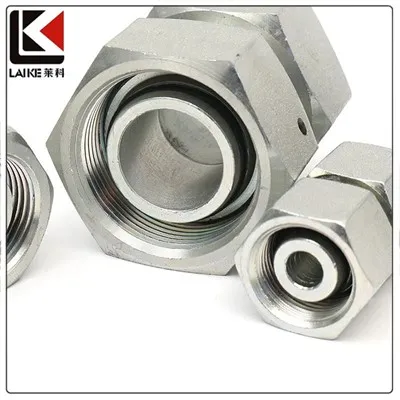


Product Categories
Latest Products
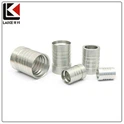
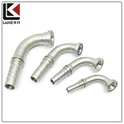
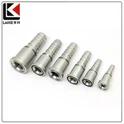
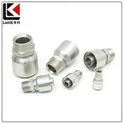
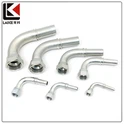
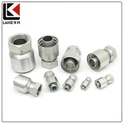
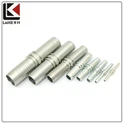
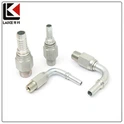
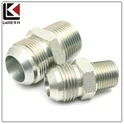
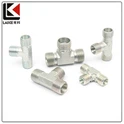
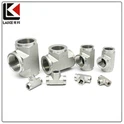
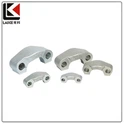
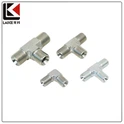
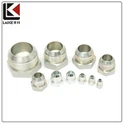
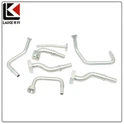
Hydraulic fittings are components used to connect hoses, tubes, or pipes within a hydraulic system. They serve to facilitate the flow of pressurized fluids, such as oil or water, while maintaining system integrity and preventing leaks. Hydraulic fittings come in various types, including threaded, flared, and push-to-connect styles, each designed for specific applications and connection requirements.

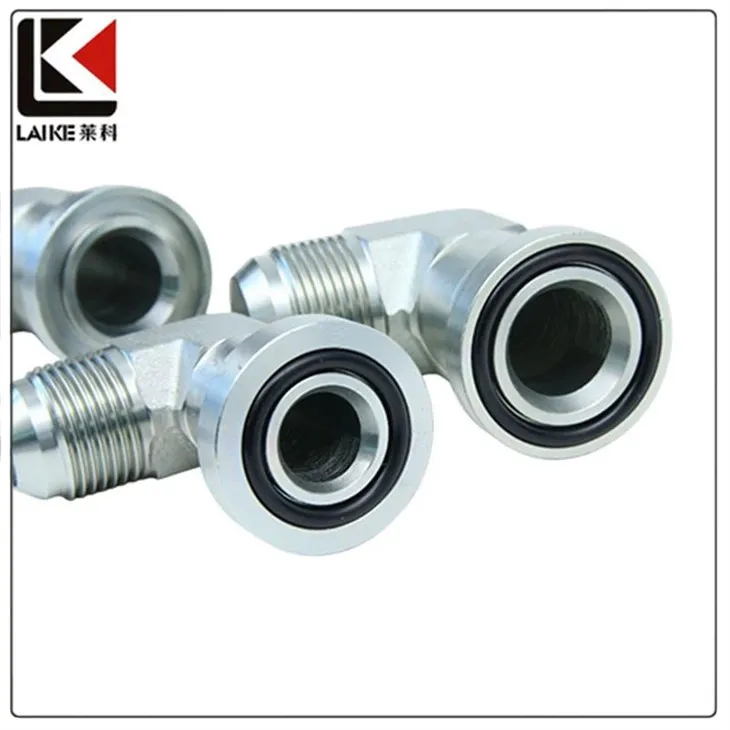
Benefits of Hydraulic Fitting
High-pressure applications
One of the primary advantages of using hydraulic fittings is that they can handle high-pressure applications. Hydraulic systems are often used in heavy-duty applications where high-pressure hydraulic fluid is required to operate machinery. Hydraulic fittings are designed to withstand high pressure, making them ideal for such applications. Hydraulic fittings can handle pressures of up to 10,000 psi or more, depending on the type of fitting and the material used.
Easy to install
Another advantage of hydraulic fittings is that they are easy to install. Most hydraulic fittings are designed with a simple two-piece construction that makes them easy to install and remove. This means that technicians can quickly and easily replace hydraulic components without the need for specialized tools or equipment.
Leak-proof
Hydraulic fittings are designed to be leak-proof, which is essential in hydraulic systems. Hydraulic systems rely on the pressure of the hydraulic fluid to operate machinery, so any leakage can cause the system to fail. Hydraulic fittings are designed to prevent leaks by providing a tight seal between the components of the hydraulic system.
Versatile
Hydraulic fittings are versatile and can be used in a wide range of applications. They come in different shapes and sizes, which makes them suitable for different hydraulic systems. Hydraulic fittings can be used to connect hoses, pipes, pumps, cylinders, and other hydraulic components.
Durable
Hydraulic fittings are designed to be durable and long-lasting. They are made of high-quality materials such as steel, brass, or aluminum, which makes them resistant to corrosion, wear, and tear. This means that hydraulic fittings can withstand the harsh conditions of industrial applications and last for a long time.
Cost-effective
Hydraulic fittings are cost-effective because they are easy to install and maintain. They are also durable, which means that they do not need to be replaced frequently. This makes hydraulic fittings an excellent investment for industrial applications.
Increased efficiency
Hydraulic fittings can increase the efficiency of hydraulic systems. By using the right hydraulic fittings, technicians can optimize the flow of hydraulic fluid through the system, which can increase the efficiency of machinery. This can result in higher productivity and lower operating costs for industrial applications.
Types of Hydraulic Fitting
Stainless steel hydraulic fittings
Stainless steel hydraulic fittings manufactured on the AISI 316 grade for reliable and durable operation. These are dust and corrosion resistant fittings and can be used in several applications including, food processing, fertilizer applications, saltwater mist, and much more.
Brass hydraulic fittings
Brass hydraulic fittings are known as durable ones when it comes to using in automotive and hydraulic tasks. These are low maintenance and highly resistant to corrosion. From bend fittings to the hose fittings, we got you covered to fulfill current requirements.
O-ring face seals
To prevent leakage and for flat sealing, choose O-ring face seals. While working on a hydraulic system with high pressure of 6000 or above, O-Ring face seals are responsible for eliminating any leakages. These fittings are available in stainless steel or plated steel material to resist high-corrosion, and these are applicable for industrial or commercial use. For delicate machines, O-Ring face seals are the best hydraulic fittings you can choose.
JIC fittings
JIC is the popular type of hydraulic fittings that possess a 37 degrees cone and can be connected to a hose or a tube. It has the potential of saving your machine in challenging conditions and suitable for almost all types of hydraulic applications. For hose fittings, hydraulic line hose ends, and hose assemblies, this is the solution for all your professional requirements. These fittings are up to the mark and environmentally friendly as well to resist corrosion and rust.
Metric din fittings
When you are going through the compatibility issue, then metric din fittings are the ideal ones to choose. These are known as widely popular fittings all around the world that have the potential of meeting global and quality standards. Metric din hydraulic fittings are suitable to use with metric-sized tubing. These fittings assure outstanding seal and reusability.
Inch compression
Inch compression is a limited style and compatible with very few hoses. These are easy to install into hydraulic-hard tubing for a user. These are suitable for thin-walled pipes and high-pressure applications. Compression fittings are capable of getting reused, and they are safe for pipe connections.
The material used for hydraulic fittings plays a vital role in determining the reliability and durability of the hydraulic system. The most commonly used materials for hydraulic fittings are brass, aluminum, steel, and plastic. Each material has its advantages and disadvantages. Brass and aluminum fittings are lightweight and offer excellent corrosion resistance, but they have lower strength and durability than steel fittings. Plastic fittings are inexpensive and lightweight, but they have lower strength and durability than metal fittings. Stainless steel fittings, on the other hand, offer several advantages over other materials, making them the preferred choice for many industries.

Application of Hydraulic Fitting
Marine industry
Hydraulic fittings are commonly used in the marine industry due to their exceptional corrosion resistance and aesthetic appeal. They are ideal for use in offshore and onshore applications, such as shipbuilding, oil rigs, and ports. Hydraulic fittings are also resistant to saltwater, making them suitable for use in harsh marine environments.
Food processing industry
Hydraulic fittings are widely used in the food processing industry due to their high strength, durability, and corrosion resistance. They are ideal for use in food processing equipment such as pumps, valves, and tanks. Hydraulic fittings are also easy to clean and sanitize, ensuring that the hydraulic system remains hygienic and free from contamination.
Pharmaceutical industry
Hydraulic fittings are commonly used in the pharmaceutical industry due to their high purity and corrosion resistance. They are ideal for use in pharmaceutical equipment such as reactors, mixers, and filtration systems. Hydraulic fittings are also resistant to chemicals and solvents, ensuring that the hydraulic system remains reliable and safe.
Construction industry
Hydraulic fittings are used in the construction industry due to their high strength and durability. They are ideal for use in heavy-duty applications such as excavators, cranes, and bulldozers. Hydraulic fittings are also resistant to abrasion and impact, ensuring that the hydraulic system remains reliable and robust.
One crucial aspect when delving into the domain of hydraulic fittings is understanding the standards that govern their manufacture and use. These standards, put forth by various international organizations, ensure the safety, reliability, and interoperability of hydraulic fittings, thereby enhancing the performance and longevity of the hydraulic system as a whole.
These standards cover various aspects, such as the dimensions, materials, pressure ratings, temperature ratings, and the design of different types of hydraulic fittings. They ensure that a hydraulic fitting made by one manufacturer can seamlessly fit into a system designed by another. This standardization facilitates system design and maintenance while ensuring safety and reliability.
How Fitting Standards Impact Choice and Usage
The standards for hydraulic fittings play a vital role in influencing the choice and usage of these components. Since each type of fitting is designed to adhere to specific standards, knowing these standards can guide the selection process, ensuring the chosen fitting is fit for purpose and safe to use.
For instance, the type of fitting used in heavy-duty machinery may differ from those used in lighter, less demanding applications. This is due to the different standards these fittings must meet regarding pressure ratings, robustness, and other specifications.
Furthermore, adherence to fitting standards simplifies maintenance and repair work. With standardized fittings, replacement components can be easily sourced and installed, reducing system downtime. In contrast, non-standard fittings could lead to compatibility issues, potentially causing system failures and increased maintenance costs.

When comparing various types of hydraulic fittings, several key criteria come into play. Understanding these criteria can assist in the selection of the most suitable fitting for a particular application. These criteria include:
Pressure rating: Each fitting type is rated for a specific range of pressure. It is essential to choose a fitting that can safely handle the system's operating pressure.
Material compatibility: The fitting material must be compatible with the hydraulic fluid used to prevent corrosion and other types of damage.
Ease of connection/disconnection: Some fittings, like quick-connect or push-on types, allow for quick and tool-free connections, while others may require tools and more time to install.
Leak resistance: The ability of a fitting to form a secure, leak-free connection is crucial for system efficiency and safety.
Cost: The price of fittings can vary significantly, and it's important to consider budget constraints.
The selection of hydraulic fittings is a crucial process, given their influence on the performance and safety of hydraulic systems. Here are the key factors that should be considered:
Operating pressure: The fitting must be able to handle the system's maximum operating pressure.
Fluid compatibility: The fitting material should be compatible with the hydraulic fluid to prevent corrosion and premature failure.
Environmental conditions: Factors such as temperature, humidity, and exposure to chemicals or abrasive materials can impact a fitting's durability and effectiveness.
Size and configuration: The fitting should be of the correct size and configuration to fit the hose or tubing, and also the port it connects to.
Standards and regulations: Some applications may require fittings that meet specific standards or regulations.

How to Maintain Hydraulic Fitting
Check your fittings regularly
Regular inspections can help identify any signs of wear or damage, such as cracks or leaks. It is important to inspect accessories for signs of damage before and after each use.
Replace damaged fittings immediately
If any damage is found during inspection, damaged accessories should be replaced immediately to prevent further damage or failure.
Keep fittings clean
Dirt, debris, and other contaminants can accumulate on hydraulic fittings, causing damage or corrosion over time. Keeping fittings clean by wiping them with a dry cloth or using compressed air can help prevent this problem.
Use the correct lubricant
Lubrication is very important to ensure smooth operation of hydraulic fittings. However, the correct lubricant needs to be used, compatible with the fittings and hydraulic oil used in the system.
Follow manufacturer guidelines
Following manufacturer guidelines for maintenance and replacement ensures that hydraulic fittings are properly maintained and provide reliable performance.

Hydraulic fittings connect conductors such as hoses, pipes and tubes in a hydraulic system. Most fittings have a male and female component that join to form a connection. These connections help contain and direct the flow of hydraulic fluid in the conductor while preventing leaks and maintaining pressure.
How to Install Hydraulic Fitting
Gather the necessary tools and materials
Before you begin, make sure you have all the tools and materials required for the installation. These may include hydraulic fittings (such as clamps, couplers, adapters, or valves), a wrench or socket set, Teflon tape or thread sealant, and a clean cloth for wiping off any dirt or debris.
Prepare the system
Ensure that the hydraulic system is depressurized before beginning the installation. For both your safety and the durability of the parts, this step is essential. If the system has recently been in use, let it cool to prevent any potential hazards.
Identify the fitting type
Identify the fitting type you’ll be installing. There are many different hydraulic fitting configurations, including straight, elbow, tee, and crossfit. The installation process will be determined by the precise fitting you will be using, so take a moment to become comfortable with it.
Inspect and clean the fittings
Explore the hydraulic fittings carefully for any obvious flaws or damage. Before installation, it is essential to make sure the fittings are in good shape. Additionally, clean the fittings and connecting points on the hydraulic system of any dirt, grease, or debris using a clean cloth.
Apply thread sealant or teflon tape
To create a leak-free connection, apply a small amount of thread sealant or wrap Teflon tape around the male threads of the fitting. This will help prevent any hydraulic fluid from escaping through the connection points.
Align and connect the fittings
Cooperate the fitting perfectly with the hydraulic system’s point of connection. Hand-tighten the fitting until it is securely in place. After hand-tightening the fitting, use a wrench or socket set to tighten it even further. Overtightening might damage the fitting or the system.
Test for leaks
It’s critical to test for leaks after installation. Start the hydraulic system and look for any evidence of fluid seepage in the fitting. If you find any leaks, turn off the system immediately and double-check the connection to verify it is correctly tightened. Remember that even a minor leak might cause serious problems later on.
Conduct a final inspection
Once you’re confident that the fitting is secure and leak-free, conduct a final visual inspection of the entire installation. Check for any loose connections, misalignment, or other abnormalities that may compromise the integrity of the hydraulic system.
Established in 1995, Laike hydraulics is committed to developing and manufacturing hydraulic fittings, adapters, hose assemblies and other related products that are widely used in mining, machinery, transportation, shipping, and oil fields. We now own plant of 18,000 square meters, 200 machines, 100 employees and store 40,000 kinds of regularly used items.

FAQ
We're professional hydraulic fitting manufacturers and suppliers in China, specialized in providing high quality customized service. We warmly welcome you to wholesale high-grade hydraulic fitting from our factory.
Hose Fitting, Stainless Steel Fitting, DKO Hydraulic Fittings