When it comes to cryogenic applications, the choice of components is crucial due to the extreme conditions involved. As a supplier of JIC to JIC adapters, I often receive inquiries about whether these adapters can be used in cryogenic environments. In this blog post, I'll delve into the technical aspects to provide a comprehensive answer.
Understanding JIC to JIC Adapters
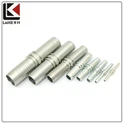
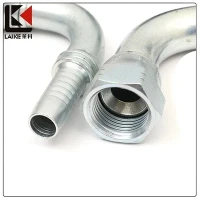
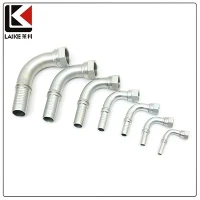
JIC (Joint Industry Council) fittings are a type of flare fitting commonly used in hydraulic systems. They are known for their reliability and ability to provide a tight seal. A JIC to JIC adapter is designed to connect two JIC - compatible components, allowing for flexibility in system design and configuration. These adapters are typically made from materials such as stainless steel, carbon steel, or brass, each with its own set of properties suitable for different applications.
Cryogenic Applications: The Challenges
Cryogenic applications involve extremely low temperatures, typically below -150°C (-238°F). At such low temperatures, materials can undergo significant changes in their physical properties. For instance, metals may become brittle, losing their ductility and toughness. This brittleness can lead to cracking and failure of components under stress. Additionally, thermal contraction occurs as the temperature drops, which can cause misalignments and leaks in connections if the materials and designs are not properly accounted for.
Compatibility of JIC to JIC Adapters in Cryogenic Environments
Material Considerations
The choice of material for JIC to JIC adapters is of utmost importance in cryogenic applications. Stainless steel is often a preferred choice due to its relatively good performance at low temperatures. Austenitic stainless steels, such as 304 and 316, have a face - centered cubic (FCC) crystal structure, which remains ductile even at cryogenic temperatures. This ductility helps prevent cracking under stress.
Carbon steel, on the other hand, may not be suitable for cryogenic use. At low temperatures, carbon steel can become extremely brittle, especially if it contains impurities or has a high carbon content. Brass, while having good corrosion resistance and machinability, also experiences a significant loss of ductility at cryogenic temperatures, making it less than ideal for these applications.
Seal Integrity
Maintaining a proper seal is critical in cryogenic systems to prevent leakage of cryogenic fluids, which can be both dangerous and wasteful. JIC fittings rely on a metal - to - metal seal formed by the flare of the fitting against the mating surface. At low temperatures, the thermal contraction of the materials can affect the seal integrity. However, if the adapter is designed with proper tolerances and the materials are selected for their low - temperature performance, the seal can remain effective.
Design and Manufacturing Quality
The quality of design and manufacturing of the JIC to JIC adapter also plays a vital role. Adapters with precise machining and tight tolerances are more likely to perform well in cryogenic environments. Any irregularities in the flare or mating surfaces can lead to leaks or premature failure. Additionally, proper heat treatment during manufacturing can enhance the material's properties and improve its performance at low temperatures.
Case Studies and Real - World Applications
There have been numerous cases where JIC to JIC adapters have been successfully used in cryogenic applications. For example, in some research facilities conducting experiments with liquid nitrogen (boiling point -196°C or -321°F), JIC to JIC adapters made from high - quality stainless steel have been used to connect various components of the cryogenic system. These adapters have maintained their integrity over long periods of use, providing a reliable connection in the harsh cryogenic environment.
However, it's important to note that not all JIC to JIC adapters are suitable for cryogenic use. In some industrial settings where lower - quality adapters were initially installed, there have been issues with leaks and failures due to improper material selection and manufacturing.
Other Fitting Options for Cryogenic Applications
While JIC to JIC adapters can be used in cryogenic applications under the right conditions, there are other fitting options available as well. Hydraulic Fitting Adapters come in a variety of types and materials, some of which are specifically designed for cryogenic use. NPT Adapters are another option, although they rely on a different sealing mechanism (threaded seal) and may require additional sealing compounds in cryogenic applications. Jis Fittings also have their own characteristics and may be suitable depending on the specific requirements of the cryogenic system.


Conclusion
In conclusion, a JIC to JIC adapter can be used in a cryogenic application, but only if certain conditions are met. The adapter must be made from a suitable material, such as austenitic stainless steel, to ensure ductility and resistance to brittleness at low temperatures. Proper design and manufacturing quality are also essential to maintain seal integrity and prevent failures.
If you're considering using JIC to JIC adapters in a cryogenic system, it's crucial to consult with an expert or a trusted supplier. As a supplier of JIC to JIC adapters, we have the knowledge and experience to help you select the right adapter for your specific cryogenic application. We can provide detailed information about material properties, design features, and manufacturing processes to ensure that the adapter meets your requirements.
If you're interested in learning more about our JIC to JIC adapters or have specific questions about their use in cryogenic applications, please feel free to reach out to us. We're here to assist you with your procurement needs and provide you with the best solutions for your cryogenic systems.
References
- ASME B31.3 Process Piping Code
- ASTM Standards for Metals at Cryogenic Temperatures
- Technical literature on cryogenic fluid handling and system design