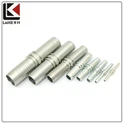
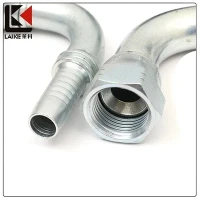
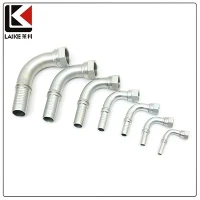
Can hydraulic adapters be used in elevator hydraulic systems? Well, that's a question I get asked a lot as a supplier of hydraulic adapters. In this blog, I'm gonna break it down for you and give you the lowdown on whether these adapters can play a role in elevator hydraulic systems.
First off, let's talk a bit about elevator hydraulic systems. These systems are crucial for the smooth operation of elevators. They use hydraulic fluid to generate the force needed to lift and lower the elevator car. The system consists of a hydraulic pump, a cylinder, valves, and of course, a whole bunch of pipes and fittings. The hydraulic pump pressurizes the fluid, which then moves into the cylinder, causing the piston to move and lift the elevator. Valves control the flow of the fluid, ensuring that the elevator moves at the right speed and stops at the right floors.
Now, let's get to the main question: Can hydraulic adapters fit into this picture? The answer is a big yes! Hydraulic adapters are super versatile components that can be used in all sorts of hydraulic systems, including elevator hydraulic systems. They come in all shapes and sizes, and their main job is to connect different parts of the hydraulic system. For example, they can connect pipes of different diameters, or they can connect pipes to other components like valves or pumps.
One of the key advantages of using hydraulic adapters in elevator hydraulic systems is their ability to provide a secure and leak - free connection. In an elevator system, even a small leak can be a big problem. It can lead to a loss of hydraulic pressure, which means the elevator might not function properly. Hydraulic adapters are designed to create a tight seal, preventing any fluid from leaking out. This helps to maintain the efficiency and safety of the elevator system.
Another benefit is their flexibility. Elevator hydraulic systems can vary in design and configuration. Some older elevators might have a different set of pipes and fittings compared to newer models. Hydraulic adapters can be used to retrofit or upgrade these systems. For instance, if you want to replace an old valve with a new one, but the new valve has a different connection size, a hydraulic adapter can bridge the gap and make the installation possible.
Let's take a look at some of the types of hydraulic adapters that are commonly used in elevator hydraulic systems.
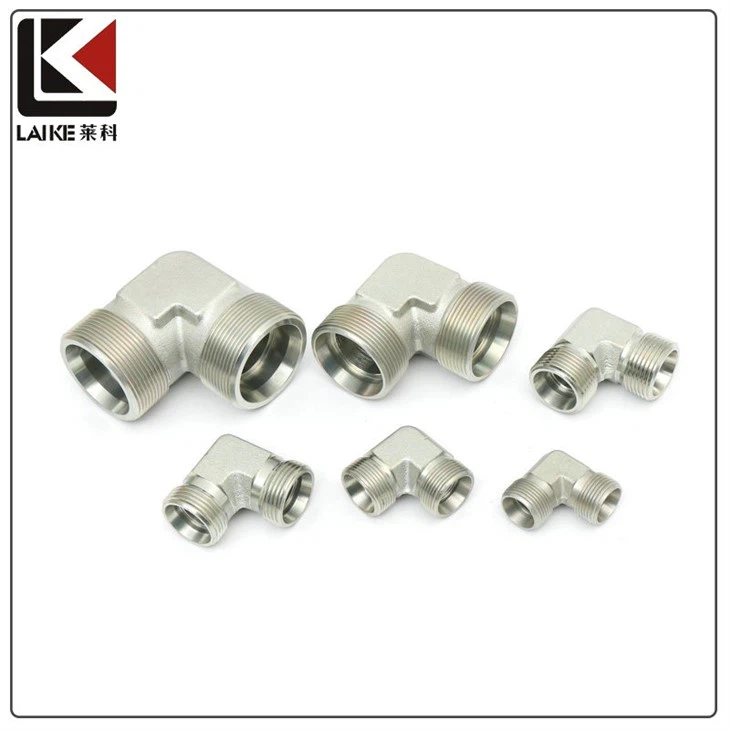

Tube Fitting
Tube fittings are a type of hydraulic adapter that are used to connect tubes in the hydraulic system. They are available in different materials such as steel, brass, and stainless steel. Tube fittings are great because they can provide a reliable connection even in high - pressure situations. You can find out more about tube fittings on our website Tube Fitting. These fittings are designed to be easy to install and remove, which is important for maintenance purposes. If there's a problem with a particular section of the tube, you can quickly disconnect the tube fitting and make the necessary repairs.
Pipe Fittings
Pipe fittings are another essential type of hydraulic adapter. They are used to connect pipes in the hydraulic system. Pipe fittings can come in various forms, such as elbows, tees, and couplings. Elbows are used to change the direction of the pipe, while tees are used to split the flow of the hydraulic fluid. Couplings are used to connect two pipes together. You can learn more about pipe fittings on our Pipe Fittings page. These fittings are made to withstand the high pressures and vibrations that are common in elevator hydraulic systems.
Hydraulic Flange Adapters
Hydraulic flange adapters are used to connect larger components in the hydraulic system, such as pumps and cylinders. They provide a strong and stable connection, especially in high - flow applications. Flange adapters are designed to distribute the pressure evenly across the connection, reducing the risk of leaks and failures. To know more about hydraulic flange adapters, check out our Hydraulic Flange Adapters page.
When choosing hydraulic adapters for an elevator hydraulic system, there are a few things you need to keep in mind. First, you need to consider the pressure rating of the adapter. Elevator hydraulic systems operate at relatively high pressures, so you need to make sure that the adapter can handle the pressure without failing. Second, the material of the adapter is important. Stainless steel adapters are often a good choice because they are corrosion - resistant, which is crucial in a system that uses hydraulic fluid. Third, you need to make sure that the adapter is compatible with the other components in the system. This means checking the connection size and type.
In conclusion, hydraulic adapters are definitely a valuable addition to elevator hydraulic systems. They offer a secure connection, flexibility, and can help to improve the overall performance and safety of the elevator. Whether you're building a new elevator system or looking to upgrade an existing one, hydraulic adapters can be a great solution.
If you're in the market for high - quality hydraulic adapters for your elevator hydraulic system, we'd love to hear from you. We have a wide range of adapters to suit different needs and budgets. Contact us to start a conversation about your requirements, and let's work together to find the best hydraulic adapter solutions for your elevator system.
References
- "Hydraulic Systems Handbook" - A comprehensive guide on hydraulic systems and their components.
- Industry reports on elevator technology and hydraulic system advancements.