Choosing the right gasket for a hose fitting is crucial, especially when you're in the business of supplying hose fittings like I am. A proper gasket ensures a tight and leak - free connection, which is essential for the efficient and safe operation of any system that uses hoses. In this blog, I'll share some tips on how to make the right choice.
Understanding the Basics of Gaskets
First off, let's talk about what gaskets are. A gasket is a mechanical seal that fills the space between two or more mating surfaces, preventing leakage from or into the joined objects while under compression. When it comes to hose fittings, gaskets play a vital role in maintaining the integrity of the connection.
There are different types of gaskets available in the market. Some common ones include rubber gaskets, which are flexible and can conform to irregular surfaces easily. They're great for applications where a good seal is needed against water, air, or some chemicals. Then there are metal gaskets, which are more suitable for high - pressure and high - temperature environments. They can withstand extreme conditions that would damage rubber gaskets.
Consider the Application
One of the first things you need to think about when choosing a gasket for a hose fitting is the application. What kind of fluid or gas will be flowing through the hose? Is it water, oil, chemicals, or something else? Different fluids have different properties, and the gasket material needs to be compatible with them.
For example, if you're dealing with a water - based system, a simple rubber gasket might do the job. But if you're working with aggressive chemicals, you'll need a gasket made from a more resistant material like Viton or Teflon. These materials can stand up to the corrosive effects of chemicals and ensure a long - lasting seal.
The temperature and pressure of the system are also important factors. In high - temperature applications, a rubber gasket might start to degrade, losing its sealing properties. In such cases, a metal or graphite gasket would be a better choice. Similarly, for high - pressure systems, you need a gasket that can withstand the force without blowing out.
Size and Shape
Getting the right size and shape of the gasket is just as important as choosing the right material. The gasket needs to fit perfectly between the hose fitting and the mating surface. If it's too small, it won't create a proper seal, and if it's too big, it might get squeezed out or cause misalignment.
Measure the dimensions of the hose fitting carefully, including the inner and outer diameters, as well as the thickness of the mating surface. Most gasket manufacturers provide sizing charts that can help you select the correct gasket size based on your measurements.
The shape of the gasket also matters. Some hose fittings require a flat gasket, while others might need a circular or oval - shaped one. Make sure you choose the right shape to ensure a proper fit.
Compatibility with Hose Fittings
As a hose fitting supplier, I know how important it is to ensure that the gasket is compatible with the hose fitting itself. Different types of hose fittings have different sealing requirements.
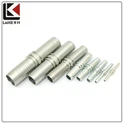
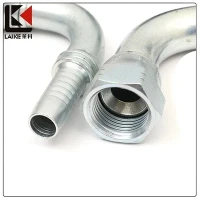
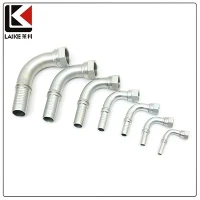
For instance, Stainless Steel Fitting is popular because of its durability and resistance to corrosion. When using a stainless - steel fitting, you need to choose a gasket that can form a good seal with the smooth surface of the stainless steel. A rubber gasket with a high - friction surface might be a good option.
Socketless Hose Fitting has its own unique design, and the gasket needs to be able to adapt to it. These fittings often rely on a tight compression to create a seal, so the gasket should be able to withstand the compression forces without losing its shape.
Interlock Ferrule is another type of hose fitting. The gasket for this type of fitting needs to be able to fit snugly around the interlock structure and provide a reliable seal.
Quality and Durability
You don't want to be replacing gaskets frequently. That's why it's important to choose a high - quality gasket that is durable. Look for gaskets from reputable manufacturers who have a good track record of producing reliable products.
Check the material quality and the manufacturing process. A well - made gasket will have consistent thickness, smooth edges, and no visible defects. It should also be able to withstand normal wear and tear over an extended period.
Cost - Benefit Analysis
While quality is important, you also need to consider the cost. There's no point in spending a fortune on a gasket if a more affordable option will do the job just as well. Compare the prices of different gaskets and weigh them against their performance and durability.
Sometimes, a slightly more expensive gasket might save you money in the long run by reducing the frequency of replacements and preventing leaks that could cause damage to the system.
Conclusion
Choosing the right gasket for a hose fitting is a process that requires careful consideration of several factors. From the application and the material compatibility to the size, shape, and cost, every aspect plays a role in making the right choice.
As a hose fitting supplier, I'm always here to help you make the best decision. Whether you're a DIY enthusiast working on a small project or a professional in a large - scale industrial setting, getting the right gasket is essential for a successful installation.
If you're interested in purchasing hose fittings or need more advice on choosing the right gaskets, feel free to reach out. We can discuss your specific requirements and find the perfect solutions for your needs.


References
- ASME Boiler and Pressure Vessel Code
- ASTM International standards for gasket materials
- Manufacturer's guidelines for hose fittings and gaskets