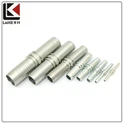
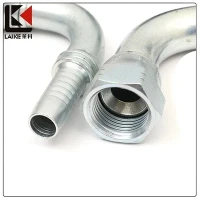
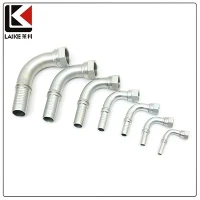
Hey there! As a hose end supplier, I've seen my fair share of clogged hose ends. It's a common issue that can really put a damper on your work, whether you're using hoses for industrial, agricultural, or even just home projects. In this blog, I'm gonna walk you through how to clean a clogged hose end step by step.
First things first, you gotta figure out what's causing the clog. Sometimes it's just dirt and debris that's built up over time. Other times, it could be sediment from the fluid that's been flowing through the hose. And in some cases, it might even be a chemical reaction that's created a blockage.
Step 1: Safety First
Before you start cleaning, make sure you take all the necessary safety precautions. If you're dealing with a hose that's been used with chemicals or hydraulic fluids, wear gloves and eye protection. Also, make sure the hose is disconnected from any power sources or pressurized systems. You don't want any unexpected sprays or leaks while you're working.

Step 2: Inspect the Hose End
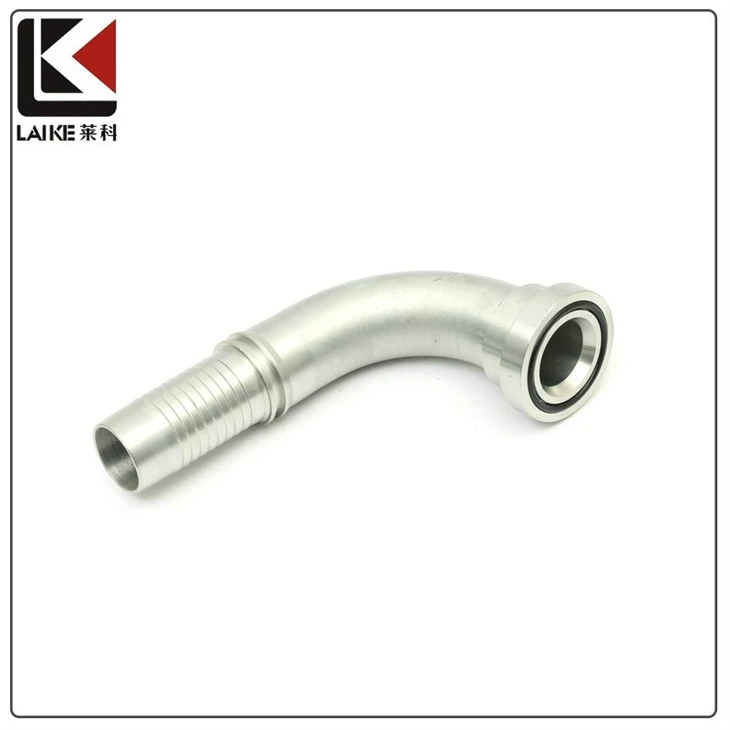
Take a good look at the hose end. See if you can spot any visible signs of the clog. Sometimes, you might be able to see dirt or debris stuck in the opening. If the clog is close to the end, you might even be able to remove it with a pair of tweezers or a small pick.
Step 3: Flush the Hose
If the clog isn't too severe, flushing the hose might do the trick. You can use water, depending on what the hose has been used for. If it's a hydraulic hose, you might need to use a specialized hydraulic fluid cleaner. Connect the hose to a water source or a cleaning solution and let the fluid flow through the hose for a few minutes. This can help dislodge any loose debris.
Step 4: Use a Cleaning Tool
If flushing doesn't work, it's time to bring out the big guns. There are several cleaning tools you can use, such as a pipe cleaner, a wire brush, or a specialized hose cleaning rod. Insert the tool into the hose end and gently move it back and forth to break up the clog. Be careful not to damage the inside of the hose.
Step 5: Soak the Hose End
For stubborn clogs, soaking the hose end might be necessary. You can soak it in a bucket of cleaning solution. If it's a hydraulic hose, there are specific hydraulic fluid cleaners that work great. Let the hose end soak for a few hours or even overnight. This can help dissolve the clog and make it easier to remove.
Step 6: Re - flush and Inspect
After soaking, flush the hose again with clean water or the appropriate cleaning fluid. Then, inspect the hose end to see if the clog is gone. If there are still some small bits of debris, you can use the cleaning tool again to remove them.
Step 7: Check the Hose for Damage
While you're cleaning the hose end, it's a good idea to check the rest of the hose for any signs of damage. Look for cracks, leaks, or worn - out areas. If you find any issues, it might be time to replace the hose.
Special Considerations for Different Types of Hose Ends
- Hydraulic Fluid Connectors: These are used in many industrial applications. If you're dealing with a clogged Hydraulic Fluid Connectors, make sure you use the right cleaning solutions. Hydraulic systems are very sensitive, and using the wrong cleaner can damage the components.
- ORING Hydraulic Fittings: ORING Hydraulic Fittings are designed to create a tight seal. When cleaning them, be careful not to damage the O - rings. You can use a soft brush to clean around the O - rings and make sure they're in good condition.
- Hydraulic Flange Fittings: Hydraulic Flange Fittings are used for high - pressure applications. If you have a clog in a hydraulic flange fitting, you might need to disassemble the fitting carefully to clean it properly. Just make sure you reassemble it correctly to avoid any leaks.
Preventing Future Clogs
Once you've cleaned the clogged hose end, you'll want to take steps to prevent future clogs. Here are some tips:
- Regular Maintenance: Make it a habit to clean your hoses regularly. This can prevent dirt and debris from building up.
- Use Filters: Install filters in your system to catch any debris before it enters the hose.
- Proper Storage: When you're not using the hoses, store them in a clean, dry place. This can prevent dirt and moisture from getting into the hoses.
As a hose end supplier, I know how important it is to keep your hoses in good working condition. Regular cleaning and maintenance can save you a lot of time and money in the long run. If you're looking for high - quality hose ends or need more advice on hose maintenance, don't hesitate to reach out. We're here to help you with all your hose end needs. Whether you're a small - scale DIYer or a large - scale industrial operation, we've got the products and expertise to meet your requirements. Contact us for more information and let's start a great partnership!
References
- "Hose Maintenance Handbook" - A comprehensive guide on maintaining different types of hoses.
- "Hydraulic System Basics" - A book that covers the fundamentals of hydraulic systems and how to keep them clean.