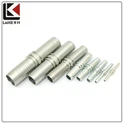
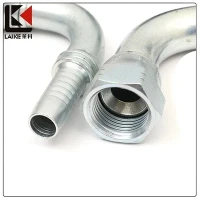
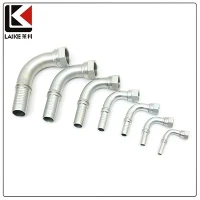
Hey there! I'm a supplier of Hose Ends, and I know firsthand how frustrating it can be when a hose end gets clogged. It can slow down your operations, cause damage to your equipment, and cost you time and money. But don't worry, I've got some tips and tricks to help you prevent hose end clogs and keep your hoses flowing smoothly.
First off, let's talk about what causes hose end clogs. There are a few common culprits, including debris, sediment, corrosion, and improper installation. Debris and sediment can build up inside the hose over time, especially if you're using the hose in a dirty or dusty environment. Corrosion can also occur if the hose is exposed to moisture or chemicals, which can cause the metal to rust and flake off. And if the hose end isn't installed correctly, it can create a tight spot where debris can get trapped.
So, how can you prevent these issues from happening? Here are some tips:
1. Choose the Right Hose End
The first step in preventing hose end clogs is to choose the right hose end for your application. There are a variety of hose ends available, each designed for specific types of hoses and applications. For example, if you're using a hydraulic hose, you'll want to choose a Swivel Hydraulic Fitting that's designed to handle high pressures and allow for easy movement. On the other hand, if you're using a garden hose, you'll want to choose a hose end that's compatible with your faucet and has a strainer to prevent debris from entering the hose.
2. Install the Hose End Correctly
Once you've chosen the right hose end, it's important to install it correctly. Make sure the hose end is properly aligned with the hose and that the fittings are tightened securely. If the hose end isn't installed correctly, it can create a leak or a tight spot where debris can get trapped. You may also want to use a sealant or thread tape to prevent leaks and ensure a tight fit.
3. Use a Strainer
One of the easiest ways to prevent hose end clogs is to use a strainer. A strainer is a small device that fits over the end of the hose and filters out debris and sediment before it enters the hose. There are a variety of strainers available, including inline strainers, suction strainers, and basket strainers. Choose a strainer that's appropriate for your application and make sure to clean it regularly to prevent it from getting clogged.
4. Flush the Hose Regularly
Another important step in preventing hose end clogs is to flush the hose regularly. Flushing the hose helps to remove any debris or sediment that may have accumulated inside the hose. To flush the hose, simply turn on the water and let it run through the hose for a few minutes. You may also want to use a hose brush or a high-pressure washer to clean the inside of the hose.
5. Store the Hose Properly
When you're not using the hose, it's important to store it properly. Make sure the hose is clean and dry before storing it, and avoid storing it in a damp or humid environment. You may also want to coil the hose neatly and store it in a hose reel or a storage container to prevent it from getting kinked or damaged.
6. Inspect the Hose Regularly
Finally, it's important to inspect the hose regularly for signs of damage or wear. Look for cracks, leaks, or other signs of damage, and replace the hose if necessary. You may also want to inspect the hose end for signs of corrosion or wear, and replace it if necessary.
In addition to these tips, there are a few other things you can do to prevent hose end clogs. For example, you may want to use a Caterpillar Hydraulic Fittings that's designed to resist corrosion and wear. You may also want to use a hose protector or a hose sleeve to protect the hose from damage.
As a Hose End supplier, I understand the importance of keeping your hoses flowing smoothly. That's why I offer a wide variety of high-quality hose ends and fittings to meet your needs. Whether you're looking for a swivel hydraulic fitting, a Caterpillar hydraulic fitting, or a standard hose end, I've got you covered.
If you're interested in learning more about our products or have any questions about preventing hose end clogs, please don't hesitate to contact me. I'd be happy to help you find the right hose end for your application and provide you with any information or support you need.


In conclusion, preventing hose end clogs is an important part of maintaining your hoses and ensuring their longevity. By following these tips and using high-quality hose ends and fittings, you can keep your hoses flowing smoothly and avoid costly downtime and repairs. So, what are you waiting for? Take action today and start preventing hose end clogs!
References
- Hydraulic Hose Fittings: A Guide to Selection and Installation. Hydraulics & Pneumatics Magazine.
- Garden Hose Maintenance: Tips and Tricks. The Spruce.
- Hose End Clogs: Causes and Solutions. Industrial Supply Magazine.