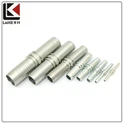
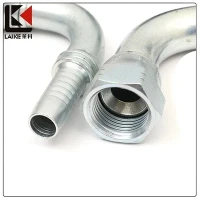
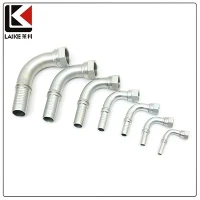
Hey there! As a supplier of METRIC Adapters, I often get asked about how to calibrate these nifty little devices. Calibration is super important because it ensures that your METRIC Adapter works accurately and efficiently. In this blog, I'll walk you through the steps to calibrate a METRIC Adapter like a pro.
Why Calibration Matters
Before we jump into the calibration process, let's talk about why it's so crucial. A METRIC Adapter is used to connect different types of hydraulic components, and if it's not calibrated correctly, it can lead to all sorts of problems. Leaks, pressure drops, and even system failures can occur when an adapter isn't properly calibrated. By calibrating your METRIC Adapter, you can avoid these issues and keep your hydraulic system running smoothly.
Tools You'll Need
To calibrate a METRIC Adapter, you'll need a few essential tools. Here's what you should have on hand:
- A pressure gauge: This will help you measure the pressure in the hydraulic system.
- A torque wrench: You'll use this to tighten the adapter to the correct torque specification.
- A set of wrenches: These will come in handy for removing and installing the adapter.
- A calibration kit: Some METRIC Adapters come with a calibration kit, which can make the process even easier.
Step-by-Step Calibration Process
Now that you have your tools ready, let's get started with the calibration process. Here are the steps you should follow:
Step 1: Prepare the Hydraulic System
Before you start calibrating the METRIC Adapter, you need to make sure the hydraulic system is shut down and depressurized. This will prevent any accidents or injuries during the calibration process. Once the system is depressurized, you can remove the adapter from the hydraulic component.
Step 2: Inspect the Adapter
Once you've removed the adapter, take a close look at it for any signs of damage or wear. Check the threads, seals, and O-rings to make sure they're in good condition. If you notice any damage, you'll need to replace the adapter or the damaged parts before proceeding with the calibration.
Step 3: Clean the Adapter
Next, clean the adapter thoroughly to remove any dirt, debris, or oil. You can use a clean cloth or a mild cleaning solution to clean the adapter. Make sure you dry the adapter completely before proceeding with the calibration.
Step 4: Install the Pressure Gauge
Now it's time to install the pressure gauge on the adapter. Follow the manufacturer's instructions to install the pressure gauge correctly. Make sure the pressure gauge is installed securely and that there are no leaks.
Step 5: Reinstall the Adapter
Once the pressure gauge is installed, you can reinstall the adapter on the hydraulic component. Use the torque wrench to tighten the adapter to the correct torque specification. Make sure you don't over-tighten the adapter, as this can damage the threads or the seals.
Step 6: Start the Hydraulic System
Now that the adapter is installed, you can start the hydraulic system. Slowly increase the pressure in the system and monitor the pressure gauge. Make sure the pressure gauge readings are within the specified range for the METRIC Adapter.
Step 7: Adjust the Adapter
If the pressure gauge readings are not within the specified range, you'll need to adjust the adapter. You can do this by adjusting the pressure relief valve or the flow control valve. Make small adjustments at a time and monitor the pressure gauge readings after each adjustment.
Step 8: Check for Leaks
Once you've adjusted the adapter and the pressure gauge readings are within the specified range, you need to check for leaks. Inspect the adapter and the hydraulic component for any signs of leaks. If you notice any leaks, you'll need to tighten the adapter or replace the seals.
Step 9: Final Check
After you've checked for leaks, you need to perform a final check to make sure the adapter is calibrated correctly. Run the hydraulic system for a few minutes and monitor the pressure gauge readings. Make sure the pressure gauge readings remain stable and within the specified range.
Tips and Tricks
Here are some tips and tricks to help you calibrate your METRIC Adapter more effectively:
- Always follow the manufacturer's instructions when calibrating the adapter.
- Use the correct tools for the job. Using the wrong tools can damage the adapter or the hydraulic component.
- Make sure the hydraulic system is shut down and depressurized before you start calibrating the adapter.
- Take your time and be patient. Calibrating a METRIC Adapter can be a time-consuming process, but it's worth it to ensure the accuracy and efficiency of your hydraulic system.
- Keep a record of the calibration process. This will help you track the performance of the adapter and identify any potential issues in the future.
Related Products
If you're in the market for other types of hydraulic adapters, we also offer JIC To BSP Adapter, Pipe Fittings, and Flange Joint. These products are designed to work seamlessly with your METRIC Adapter and can help you build a more efficient and reliable hydraulic system.


Conclusion
Calibrating a METRIC Adapter is an important process that can help you ensure the accuracy and efficiency of your hydraulic system. By following the steps outlined in this blog and using the tips and tricks provided, you can calibrate your METRIC Adapter like a pro. If you have any questions or need further assistance, please don't hesitate to contact us. We're here to help you find the right hydraulic adapters for your needs and ensure that they're calibrated correctly. Whether you're a DIY enthusiast or a professional mechanic, we have the products and expertise to help you get the job done right. So, what are you waiting for? Contact us today to start your procurement process and take your hydraulic system to the next level!
References
- Hydraulic Adapter Handbook
- Manufacturer's Instructions for METRIC Adapters