When it comes to hydraulic systems, selecting the right hydraulic adapter for a specific temperature range is crucial. As a hydraulic adapter supplier, I understand the importance of ensuring that the adapters we provide can withstand the temperature conditions in which they will operate. In this blog post, I'll share some insights on how to select a hydraulic adapter for a specific temperature range.
Understanding Temperature Requirements
The first step in selecting a hydraulic adapter for a specific temperature range is to understand the temperature requirements of your hydraulic system. Different hydraulic systems operate at different temperatures, and it's essential to know the minimum and maximum temperatures that the adapter will be exposed to.
For example, in some industrial applications, hydraulic systems may operate in extreme cold conditions, where temperatures can drop well below freezing. In such cases, the adapter must be able to withstand the cold without becoming brittle or losing its sealing properties. On the other hand, in high - temperature applications like those found in some power plants or heavy - duty machinery, the adapter needs to resist the heat without deforming or losing its structural integrity.
Material Selection
The material of the hydraulic adapter plays a significant role in its ability to handle different temperature ranges. Here are some common materials used in hydraulic adapters and their temperature capabilities:
Steel
Steel is a popular choice for hydraulic adapters due to its strength and durability. It can generally handle a wide range of temperatures. Carbon steel adapters can typically operate in temperatures ranging from - 20°C to 150°C. Stainless steel adapters, on the other hand, offer better corrosion resistance and can often withstand higher temperatures, up to around 300°C in some cases. However, in extremely cold temperatures, steel may become more brittle, so it's important to consider this when selecting an adapter for cold - weather applications.
Brass
Brass adapters are known for their good corrosion resistance and ease of machining. They can operate in a temperature range of approximately - 20°C to 120°C. Brass is a good option for applications where the temperature is not too extreme, and corrosion is a concern.
Aluminum
Aluminum adapters are lightweight and have good thermal conductivity. They are suitable for applications where weight is a factor. However, their temperature range is more limited compared to steel and brass. Aluminum adapters can typically operate in temperatures from - 20°C to 100°C. In high - temperature applications, aluminum may expand significantly, which can affect the sealing of the adapter.
Sealing Materials
The sealing materials used in hydraulic adapters are also critical when it comes to temperature resistance. Different sealing materials have different temperature ratings.
Nitrile Rubber (NBR)
Nitrile rubber is a common sealing material used in hydraulic adapters. It has a good temperature range, typically from - 40°C to 100°C. NBR is resistant to oil and fuel, making it suitable for many hydraulic applications. However, at higher temperatures, it may start to lose its elasticity and sealing properties.
Fluorocarbon Rubber (FKM)
Fluorocarbon rubber, also known as Viton, has a much higher temperature resistance compared to NBR. It can operate in temperatures ranging from - 20°C to 200°C. FKM is highly resistant to chemicals and high - temperature fluids, making it ideal for applications where the hydraulic system operates at elevated temperatures.
Silicone Rubber
Silicone rubber has a wide temperature range, from - 60°C to 200°C. It is known for its excellent flexibility at low temperatures and can maintain its sealing properties in a variety of temperature conditions. However, it may not be as resistant to oil and fuel as NBR or FKM.
Specialized Adapters for Extreme Temperatures
In some cases, standard hydraulic adapters may not be sufficient for extreme temperature conditions. That's where specialized adapters come in.
Adapters for Cold Temperatures
For applications in extremely cold environments, adapters made from materials with low - temperature toughness are required. Some manufacturers offer cold - weather - specific adapters that are designed to maintain their integrity and sealing properties at sub - zero temperatures. These adapters may have special coatings or be made from alloys that are more resistant to cold - induced brittleness.
Adapters for High Temperatures
In high - temperature applications, adapters need to be able to withstand the heat without deforming or losing their sealing capabilities. Hydraulic Flange Adapters are often used in high - temperature systems because they can provide a more secure and reliable connection. These adapters may be made from high - temperature - resistant materials and use sealing materials that can handle the heat.
Compatibility with Other Components
When selecting a hydraulic adapter for a specific temperature range, it's also important to consider its compatibility with other components in the hydraulic system. The adapter should be able to connect seamlessly with hoses, valves, and other hydraulic parts.


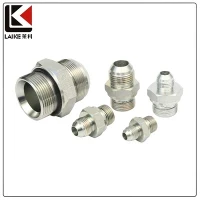
For example, if you are using a JIC To BSP Adapter, you need to ensure that the thread sizes and types are compatible with the rest of the system. In addition, the adapter should be able to withstand the pressure and flow requirements of the system, as these factors can also be affected by temperature.
Quality and Certification
As a hydraulic adapter supplier, we understand the importance of quality and certification. When selecting an adapter, it's crucial to choose products that meet industry standards and have been tested for temperature resistance. Look for adapters that are certified by organizations such as ISO or SAE. These certifications ensure that the adapters have been manufactured to high - quality standards and can perform reliably in the specified temperature range.
Conclusion
Selecting the right hydraulic adapter for a specific temperature range is a complex process that requires careful consideration of material, sealing, compatibility, and quality. As a hydraulic adapter supplier, we offer a wide range of adapters, including Kumatsu Adapter, JIC To BSP Adapter, and Hydraulic Flange Adapters, to meet the diverse needs of our customers.
If you are in the process of selecting a hydraulic adapter for your specific temperature requirements, we are here to help. Our team of experts can provide you with detailed information and guidance to ensure that you choose the right adapter for your hydraulic system. Feel free to contact us for more information and to start a procurement discussion.
References
- Hydraulic Systems Handbook
- Material Science for Hydraulic Components
- Standards and Guidelines for Hydraulic Adapters