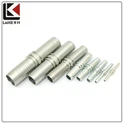
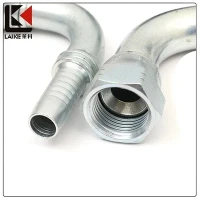
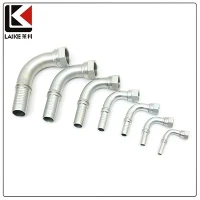
Hey there! As a supplier of SAE Flange Adapters, I've seen firsthand how these little components play a big role in both pneumatic and hydraulic systems. In this blog, I'm gonna break down the differences in using SAE flange adapters in these two types of systems.
Basics of Pneumatic and Hydraulic Systems
Let's start with a quick rundown of what pneumatic and hydraulic systems are. Pneumatic systems use compressed air to transmit and control power. They're commonly found in things like automated machinery, dental equipment, and even some automotive applications. On the other hand, hydraulic systems use a liquid, usually oil, to transfer power. You'll see them in heavy machinery, construction equipment, and aircraft landing gear.
Design and Function of SAE Flange Adapters
SAE flange adapters are designed to connect different parts of a fluid system, like hoses, pipes, and valves. They come in various sizes and configurations to fit different system requirements. The SAE (Society of Automotive Engineers) standards ensure that these adapters are interchangeable and compatible with other components in the system.
Differences in Pressure Requirements
One of the biggest differences between pneumatic and hydraulic systems is the pressure they operate at. Pneumatic systems typically operate at lower pressures, usually between 80 - 120 psi (pounds per square inch). This is because compressed air is more compressible than hydraulic fluid, so it can't handle extremely high pressures.
In contrast, hydraulic systems can operate at much higher pressures, often ranging from 1,000 - 5,000 psi or even more in some industrial applications. When using SAE flange adapters in hydraulic systems, they need to be able to withstand these high pressures without leaking or failing. This means that hydraulic SAE flange adapters are usually made from stronger materials and have more robust sealing mechanisms.
Fluid Compatibility
Another important difference is the type of fluid used in each system. Pneumatic systems use air, which is a clean and dry medium. There's no risk of corrosion or contamination from the fluid itself. As a result, the SAE flange adapters used in pneumatic systems don't need to be as resistant to chemical attack.

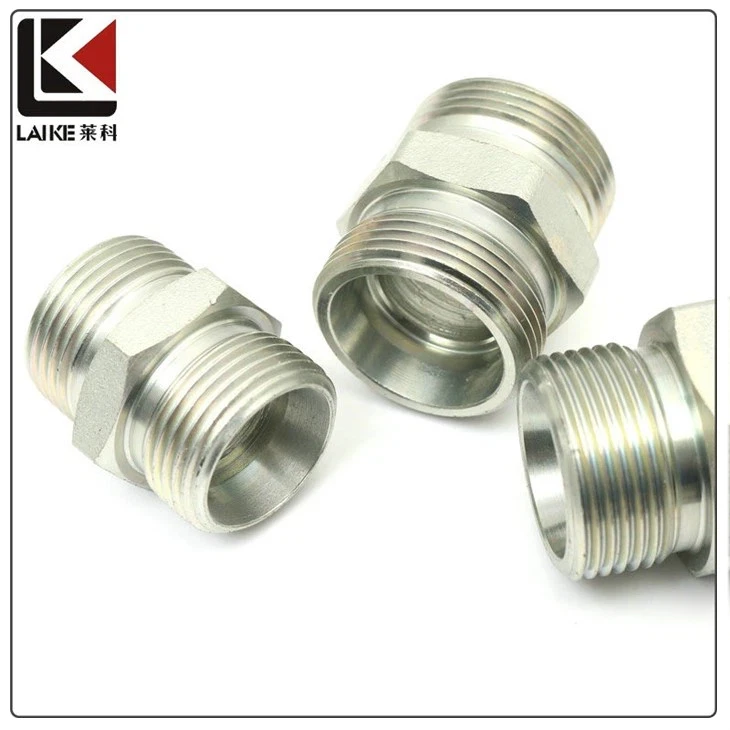
Hydraulic systems, however, use hydraulic fluid, which can be a complex mixture of oils and additives. These fluids can be corrosive to some materials, so the SAE flange adapters in hydraulic systems need to be made from materials that are compatible with the specific hydraulic fluid being used. For example, if the hydraulic fluid has a high water content, the adapter needs to be resistant to rust and corrosion.
Sealing Requirements
Sealing is crucial in both pneumatic and hydraulic systems, but the requirements are different. In pneumatic systems, the main goal of the seal is to prevent air leakage. Since the pressures are relatively low, the seals don't need to be as tight as in hydraulic systems. O-rings and gaskets are commonly used in pneumatic SAE flange adapters, and they can be made from a variety of materials like rubber or silicone.
In hydraulic systems, the seals need to be able to withstand high pressures and prevent the hydraulic fluid from leaking. The seals used in hydraulic SAE flange adapters are often more complex and made from materials that can handle the high pressures and the chemical properties of the hydraulic fluid. For example, some hydraulic seals are made from high-performance polymers that can resist abrasion and swelling.
Flow Characteristics
The flow characteristics of pneumatic and hydraulic systems also differ. Pneumatic systems generally have a lower flow rate compared to hydraulic systems. This is because air is less dense than hydraulic fluid, and it takes more energy to move a large volume of air through the system. As a result, the SAE flange adapters in pneumatic systems can be designed with smaller passageways.
Hydraulic systems, on the other hand, can handle higher flow rates. The SAE flange adapters in hydraulic systems need to have larger passageways to allow the hydraulic fluid to flow smoothly without causing excessive pressure drops. This ensures that the system can operate efficiently and deliver the required power.
Noise and Vibration
Pneumatic systems tend to be noisier than hydraulic systems. The movement of compressed air through the system can create a lot of noise, especially when the air is released suddenly. The SAE flange adapters in pneumatic systems can contribute to this noise if they're not properly designed or installed. For example, a loose connection can cause air to leak out and create a hissing sound.
Hydraulic systems are generally quieter because the hydraulic fluid is more stable and doesn't create as much noise when flowing through the system. However, hydraulic systems can generate vibration, especially when the pump is operating. The SAE flange adapters in hydraulic systems need to be able to withstand this vibration without coming loose or causing damage to the system.
Installation and Maintenance
The installation and maintenance requirements for SAE flange adapters in pneumatic and hydraulic systems are also different. In pneumatic systems, the adapters are usually easier to install because the pressures are lower. You don't need to use as much force to tighten the connections, and there's less risk of damaging the adapter or the other components.
In hydraulic systems, the installation requires more care and precision. The high pressures mean that the connections need to be tightened to the correct torque specification to ensure a proper seal. Maintenance in hydraulic systems also tends to be more involved because of the complexity of the system and the need to monitor the hydraulic fluid for contamination and degradation.
Conclusion
In conclusion, there are several key differences in using SAE flange adapters in pneumatic and hydraulic systems. These differences include pressure requirements, fluid compatibility, sealing requirements, flow characteristics, noise and vibration, and installation and maintenance. As a supplier of SAE Flange Adapter, I understand the importance of providing the right adapter for each application. Whether you're working with a pneumatic system or a hydraulic system, we have the expertise and the products to meet your needs.
If you're in the market for SAE flange adapters or any other hydraulic adapters like BRITISH Adapter or JIC To JIC Adapter, feel free to reach out to us. We can help you choose the right adapter for your specific system and provide you with all the information you need for a successful installation and operation. Let's work together to ensure your pneumatic or hydraulic system runs smoothly and efficiently.
References
- "Fluid Power Systems" by Arthur R. Lindsey
- "Pneumatic Systems Design and Application" by J. Paul Tullis
- SAE Standards Handbook