Are JIS Fittings Suitable for Marine Applications?
As a supplier of JIS fittings, I've had numerous inquiries regarding the suitability of these fittings for marine applications. In this blog, I'll delve into the characteristics of JIS fittings and analyze whether they are a good fit for the demanding marine environment.
Understanding JIS Fittings
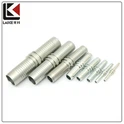
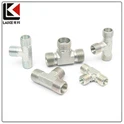
JIS (Japanese Industrial Standards) fittings are designed and manufactured according to the Japanese standards. These fittings are known for their high - precision manufacturing, which ensures a tight and reliable connection. They come in a variety of types, including tube fittings, hydraulic plugs, and NPTF adapters. You can learn more about Tube Fitting, Hydraulic Plugs, and NPTF Adapter on our website.
Key Features of JIS Fittings
- Precision Engineering: JIS fittings are produced with high precision. The tight tolerances in manufacturing ensure that the fittings fit together perfectly, reducing the risk of leakage. This is crucial in marine applications where even a small leak can lead to significant problems, such as the intrusion of seawater into the hydraulic or piping systems.
- Material Quality: Most JIS fittings are made from high - quality materials. Stainless steel is a common choice, which offers excellent corrosion resistance. In the marine environment, where saltwater is a constant threat, corrosion - resistant materials are essential to ensure the long - term durability of the fittings.
- Standardization: The use of Japanese Industrial Standards means that JIS fittings are standardized. This makes it easier to find replacement parts and ensures compatibility with other components in the system. In a marine setting, where quick repairs and replacements may be necessary, the standardization of fittings is a significant advantage.
Marine Environment Challenges
The marine environment presents several challenges that any fitting used in this setting must overcome:
- Corrosion: Saltwater is highly corrosive. It can cause rust and degradation of metal components over time. Fittings that are not resistant to corrosion will fail prematurely, leading to system failures and potential safety hazards.
- Vibration and Shock: Ships and other marine vessels are subject to constant vibration and shock due to the movement of the water and the operation of on - board machinery. Fittings need to be able to withstand these forces without coming loose or breaking.
- Temperature Variations: The marine environment can experience significant temperature variations, from the cold waters of the polar regions to the warm tropical seas. Fittings must be able to maintain their integrity and performance across a wide range of temperatures.
Suitability of JIS Fittings for Marine Applications
- Corrosion Resistance: As mentioned earlier, many JIS fittings are made from stainless steel, which has excellent corrosion resistance. This makes them well - suited for the marine environment. The high - quality materials used in JIS fittings can withstand the corrosive effects of saltwater for an extended period, reducing the need for frequent replacements.
- Vibration and Shock Resistance: The precision engineering of JIS fittings ensures a tight connection that can withstand vibration and shock. The fittings are designed to stay in place even under harsh conditions, preventing leaks and system failures.
- Temperature Adaptability: JIS fittings are typically designed to operate within a wide temperature range. This allows them to function effectively in different marine climates, from the frigid Arctic to the sweltering tropics.
Case Studies
Let's look at some real - world examples of JIS fittings being used in marine applications. In a large cargo ship, JIS tube fittings were used in the hydraulic system. The ship traveled across various oceans, experiencing different weather conditions and sea states. After several years of operation, the JIS tube fittings showed minimal signs of wear and corrosion. The tight connections ensured that the hydraulic system remained leak - free, contributing to the overall reliability of the ship's operation.
Another example is a fishing vessel. The vessel used JIS hydraulic plugs in its hydraulic lines. These plugs were able to withstand the constant vibration and shock associated with the rough seas. The high - quality materials and precision manufacturing of the JIS hydraulic plugs prevented any leakage, ensuring the smooth operation of the vessel's hydraulic equipment.


Limitations and Considerations
While JIS fittings have many advantages for marine applications, there are also some limitations and considerations:
- Cost: JIS fittings are often more expensive than some other types of fittings. This is due to the high - quality materials and precision manufacturing. However, the long - term durability and reliability of JIS fittings can offset the initial cost.
- Availability: In some regions, the availability of JIS fittings may be limited. It's important to ensure that you have a reliable supply chain to obtain the necessary fittings when needed.
- Compatibility: Although JIS fittings are standardized, there may be compatibility issues when integrating them with non - JIS components. It's essential to carefully consider the compatibility of all components in the system.
Conclusion
In conclusion, JIS fittings are generally suitable for marine applications. Their high - precision manufacturing, corrosion resistance, and ability to withstand vibration and shock make them a reliable choice for the demanding marine environment. However, it's important to consider the cost, availability, and compatibility factors when using JIS fittings in a marine setting.
If you are interested in purchasing JIS fittings for your marine applications, I encourage you to contact us for a detailed discussion. We can provide you with the best solutions based on your specific requirements.
References
- "Marine Engineering Handbook", various authors
- "Japanese Industrial Standards for Fittings", Japanese Standards Association