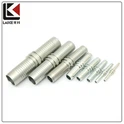
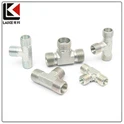
Ensuring the correct orientation of a hose ferrule during installation is crucial for the proper functioning and longevity of hydraulic systems. As a hose ferrule supplier, I've seen firsthand the impact that incorrect installation can have on performance. In this blog, I'll share some tips and techniques to help you get it right every time.
Understanding the Basics
Before we dive into the installation process, let's quickly go over what a hose ferrule is and why orientation matters. A hose ferrule is a type of fitting that attaches a hose to a component, such as a valve or a pump. It's designed to create a secure and leak-free connection, ensuring that hydraulic fluid flows smoothly through the system.
The orientation of the ferrule is important because it determines how well it seals against the hose and the component. If the ferrule is installed incorrectly, it can cause leaks, reduce the efficiency of the system, and even lead to component failure.
Pre-Installation Checks
Before you start installing the hose ferrule, it's important to perform a few pre-installation checks to ensure that everything is in order. Here are some things to look out for:
- Inspect the Hose: Check the hose for any signs of damage, such as cuts, abrasions, or kinks. If the hose is damaged, it should be replaced before installation.
- Check the Ferrule: Inspect the ferrule for any signs of damage or wear. Make sure that the ferrule is the correct size and type for the hose and the component.
- Clean the Components: Clean the hose and the component to remove any dirt, debris, or oil. This will help to ensure a proper seal and prevent leaks.
Installation Process
Once you've completed the pre-installation checks, it's time to start installing the hose ferrule. Here's a step-by-step guide to help you through the process:
- Prepare the Hose: Cut the hose to the desired length using a sharp knife or a hose cutter. Make sure that the cut is clean and straight.
- Insert the Ferrule: Slide the ferrule onto the hose, making sure that it fits snugly. The ferrule should be positioned so that it covers the end of the hose by at least 1/4 inch.
- Attach the Component: Attach the component to the hose by screwing it onto the ferrule. Make sure that the component is tightened securely, but not too tight. Over-tightening can cause the ferrule to deform and lead to leaks.
- Check the Orientation: Once the component is attached, check the orientation of the ferrule. The ferrule should be aligned with the component so that the fluid can flow freely through the system. If the ferrule is not aligned correctly, it may need to be adjusted.
- Test the Connection: After the ferrule is installed, test the connection by applying pressure to the system. Check for any leaks or other issues. If there are any problems, the ferrule may need to be reinstalled.
Tips and Tricks
Here are some additional tips and tricks to help you ensure the correct orientation of the hose ferrule during installation:
- Use a Torque Wrench: A torque wrench can help you to tighten the component to the correct torque specification. This will help to prevent over-tightening and ensure a proper seal.
- Mark the Orientation: Before installing the ferrule, mark the orientation of the component on the hose. This will help you to ensure that the ferrule is installed correctly.
- Use a Fitting Lubricant: A fitting lubricant can help to make the installation process easier and prevent damage to the ferrule and the component.
- Follow the Manufacturer's Instructions: Always follow the manufacturer's instructions when installing the hose ferrule. This will help to ensure that the installation is done correctly and that the system operates safely and efficiently.
Common Mistakes to Avoid
Here are some common mistakes to avoid when installing a hose ferrule:

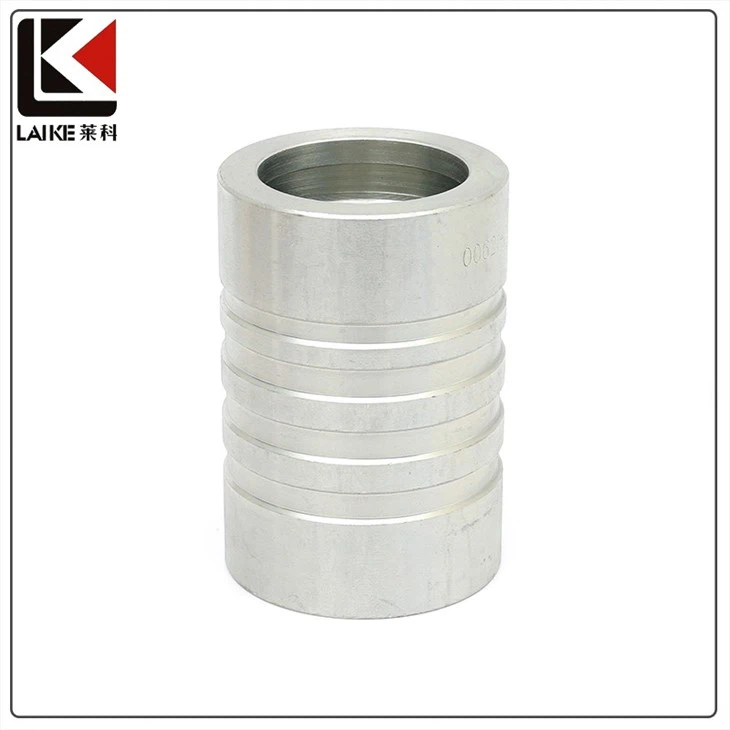
- Over-Tightening: Over-tightening the component can cause the ferrule to deform and lead to leaks. Make sure to use a torque wrench and follow the manufacturer's torque specifications.
- Under-Tightening: Under-tightening the component can also cause leaks. Make sure to tighten the component securely, but not too tight.
- Incorrect Orientation: Installing the ferrule in the wrong orientation can cause leaks and reduce the efficiency of the system. Make sure to check the orientation of the ferrule before installing it.
- Using the Wrong Ferrule: Using the wrong size or type of ferrule can cause leaks and other issues. Make sure to use the correct ferrule for the hose and the component.
Conclusion
Ensuring the correct orientation of a hose ferrule during installation is essential for the proper functioning and longevity of hydraulic systems. By following the tips and techniques outlined in this blog, you can help to ensure that your installations are done correctly and that your systems operate safely and efficiently.
If you're in the market for high-quality hose ferrules, Hydraulic Hose Barb, BANJO Hydraulic Fittings, and ORFS Hydraulic Fittings are great options. These fittings are designed to provide a secure and leak-free connection, ensuring that your hydraulic systems operate at their best.
If you have any questions or would like to learn more about our hose ferrule products, please don't hesitate to contact us. We're here to help you find the right solutions for your needs.
References
- Manufacturer's instructions for hose ferrules
- Industry standards for hydraulic system installation
- Personal experience as a hose ferrule supplier