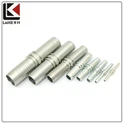
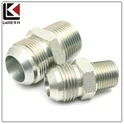
In the dynamic landscape of industrial operations, fast connectors have emerged as indispensable components, revolutionizing the way we approach fluid transfer and connection tasks. As a leading supplier of fast connectors, I have witnessed firsthand the transformative impact these devices have on efficiency, productivity, and safety across various industries. However, like any technology, fast connectors are not without their limitations. In this blog post, I will delve into the potential drawbacks of using fast connectors, providing a comprehensive analysis to help you make informed decisions when incorporating these devices into your operations.
Compatibility and Standardization
One of the primary limitations of fast connectors lies in their compatibility with different systems and components. With a wide range of connector types, sizes, and specifications available in the market, ensuring seamless integration can be a challenging task. Incompatible connectors can lead to leakage, reduced flow rates, and even system failures, resulting in costly downtime and repairs.
To address this issue, it is crucial to select fast connectors that adhere to industry standards and specifications. Standards such as ISO 16028 for Flat Face Hydraulic Quick Coupler and ISO 7241 for hydraulic couplings provide a common framework for design, performance, and interchangeability. By choosing connectors that comply with these standards, you can minimize the risk of compatibility issues and ensure reliable operation across different systems and applications.
Pressure and Temperature Limitations
Fast connectors are designed to operate within specific pressure and temperature ranges. Exceeding these limits can compromise the integrity of the connector, leading to leakage, damage, or even catastrophic failure. It is essential to carefully consider the operating conditions of your system and select connectors that are rated for the maximum pressure and temperature requirements.
In high-pressure applications, such as hydraulic systems, the use of high-pressure fast connectors is recommended. These connectors are engineered to withstand extreme pressures and provide a secure and leak-free connection. Similarly, in applications where temperature variations are significant, such as in automotive or aerospace industries, connectors with high-temperature resistance and thermal stability are required.
Fluid Compatibility
Another critical factor to consider when using fast connectors is fluid compatibility. Different fluids, such as hydraulic oil, water, chemicals, and gases, have unique properties that can affect the performance and durability of the connector. Incompatible fluids can cause corrosion, erosion, swelling, or degradation of the connector materials, leading to leakage and reduced service life.
Before selecting a fast connector, it is essential to consult the manufacturer's specifications and compatibility charts to ensure that the connector is suitable for the specific fluid being used. In some cases, special coatings or materials may be required to enhance the connector's resistance to chemical attack and ensure long-term reliability.
Maintenance and Serviceability
Like any mechanical device, fast connectors require regular maintenance and servicing to ensure optimal performance and longevity. Over time, connectors can become worn, damaged, or contaminated, leading to reduced efficiency and increased risk of failure. Regular inspection, cleaning, and lubrication of the connectors can help prevent these issues and extend their service life.
In addition to routine maintenance, it is also important to have a proper service and repair plan in place. In the event of a connector failure, having access to replacement parts and trained technicians can minimize downtime and ensure a quick and efficient repair. As a fast connector supplier, we offer comprehensive maintenance and support services to help our customers keep their systems running smoothly.
Cost Considerations
While fast connectors offer significant benefits in terms of efficiency and productivity, they can also represent a significant investment. The cost of fast connectors can vary depending on factors such as size, material, design, and performance requirements. In some cases, the initial cost of the connector may be higher than traditional connection methods, such as threaded fittings or flanges.
However, it is important to consider the long-term cost savings associated with using fast connectors. By reducing downtime, improving efficiency, and minimizing the risk of leaks and failures, fast connectors can provide a significant return on investment over their service life. Additionally, the ease of installation and maintenance of fast connectors can also result in cost savings in terms of labor and equipment.
Conclusion
In conclusion, while fast connectors offer numerous advantages in terms of efficiency, productivity, and safety, they are not without their limitations. Compatibility and standardization, pressure and temperature limitations, fluid compatibility, maintenance and serviceability, and cost considerations are all factors that need to be carefully evaluated when selecting and using fast connectors.
As a fast connector supplier, we are committed to providing our customers with high-quality products and comprehensive support services to help them overcome these challenges. By working closely with our customers, we can help them select the right connectors for their specific applications and ensure that they are installed and maintained correctly.


If you are interested in learning more about our fast connectors or would like to discuss your specific requirements, please do not hesitate to contact us. Our team of experts is available to provide you with detailed information and guidance to help you make the best decision for your operations. We look forward to the opportunity to work with you and help you achieve your goals.
References
- ISO 16028:2017 - Hydraulic fluid power - Flat face quick-action couplings - Design, dimensions and requirements
- ISO 7241-1:2016 - Hydraulic fluid power - Quick-action couplings - Part 1: Dimensions, design and requirements for interchangeable types A and B
- Manufacturer's specifications and technical documentation for fast connectors