As a seasoned supplier of hydraulic adapters, I've witnessed firsthand the critical role these components play in various industrial applications. Hydraulic systems are the backbone of many heavy - machinery and manufacturing processes, and hydraulic adapters are the connectors that ensure seamless operation. However, safety is of utmost importance when using hydraulic adapters. In this blog, I'll delve into the essential safety precautions that users should take.
Understanding Hydraulic Adapters
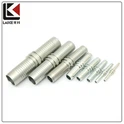
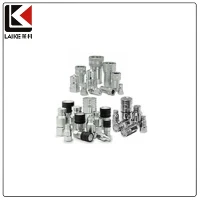
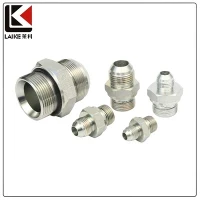
Before discussing safety precautions, it's crucial to understand what hydraulic adapters are. Hydraulic adapters are used to connect different types of hydraulic components, such as hoses, pipes, valves, and cylinders. They come in a wide range of shapes, sizes, and materials to suit various system requirements. For instance, Jis Fittings are designed according to Japanese Industrial Standards and are commonly used in specific Asian - made machinery. Flange Joint adapters, on the other hand, are used for high - pressure applications where a strong and leak - proof connection is required. Kumatsu Adapter is a specialized type often used in certain heavy - duty equipment.
Pre - installation Safety Precautions
Inspection
One of the first steps in ensuring safety is a thorough inspection of the hydraulic adapters before installation. Check for any visible signs of damage, such as cracks, dents, or corrosion. Even a small crack can lead to a significant leak under high pressure, which can be extremely dangerous. Inspect the threads as well; damaged threads can cause improper fitting and result in leaks or even disconnections during operation.


Compatibility
Ensure that the hydraulic adapter is compatible with the hydraulic system. This includes considering factors such as pressure ratings, temperature ratings, and fluid compatibility. Using an adapter with a lower pressure rating than the system's operating pressure can lead to catastrophic failure. Similarly, if the adapter is not compatible with the hydraulic fluid, it can cause chemical reactions that damage the adapter and the system.
Cleanliness
Keep the hydraulic adapters and the connection points clean. Dirt, debris, or contaminants can enter the hydraulic system during installation, leading to blockages, wear, and reduced efficiency. Use clean, lint - free cloths to wipe the adapters and connection points before installation.
Installation Safety Precautions
Proper Torque
Applying the correct torque is crucial during installation. Over - tightening can damage the adapter or the mating component, while under - tightening can result in leaks. Use a torque wrench to ensure that the adapter is tightened to the manufacturer's recommended torque specifications. Different types of adapters and materials may require different torque values, so always refer to the product manual.
Sealing
Use appropriate sealing materials, such as O - rings or gaskets, to prevent leaks. Make sure the sealing materials are in good condition and are the correct size and type for the adapter. Install the sealing materials correctly, following the proper installation procedures. Incorrectly installed seals can lead to leaks and reduced system performance.
Alignment
Ensure proper alignment of the adapter with the mating component. Misalignment can cause stress on the adapter and the system, leading to premature failure. Use alignment tools if necessary to ensure that the adapter is installed straight and true.
Operational Safety Precautions
Pressure Monitoring
Regularly monitor the pressure in the hydraulic system. Abnormal pressure spikes can indicate a problem with the adapter or the system. If you notice any sudden changes in pressure, shut down the system immediately and inspect the adapters and other components for damage or leaks.
Temperature Monitoring
Keep an eye on the temperature of the hydraulic system. High temperatures can affect the performance and integrity of the hydraulic adapters. Excessive heat can cause the sealing materials to degrade, leading to leaks. If the temperature exceeds the recommended range, take steps to cool the system down and investigate the cause.
Leak Detection
Perform regular leak checks during operation. Look for signs of fluid leakage around the adapters, such as wet spots, drips, or mist. Even a small leak can be a sign of a more significant problem. If a leak is detected, shut down the system, relieve the pressure, and repair or replace the faulty adapter.
Maintenance Safety Precautions
Regular Inspections
Schedule regular inspections of the hydraulic adapters as part of the overall system maintenance. This can help detect any potential problems early on and prevent costly breakdowns. Inspect the adapters for wear, damage, and leaks during these inspections.
Replacement
Replace hydraulic adapters at the recommended intervals or when they show signs of wear or damage. Don't wait until a failure occurs; proactive replacement can save time, money, and prevent safety hazards.
Training
Ensure that all personnel involved in the installation, operation, and maintenance of the hydraulic system are properly trained. They should be familiar with the safety precautions, installation procedures, and maintenance requirements of the hydraulic adapters.
Post - incident Safety Precautions
In the event of an incident, such as a leak or a failure of a hydraulic adapter, it's essential to take immediate action. Shut down the system to prevent further damage and ensure the safety of personnel. Isolate the affected area and clean up any spilled hydraulic fluid. Analyze the cause of the incident to prevent similar problems in the future.
Conclusion
Safety is paramount when using hydraulic adapters. By following these safety precautions, users can minimize the risk of accidents, ensure the longevity of the hydraulic system, and maintain optimal performance. As a hydraulic adapter supplier, I'm committed to providing high - quality products and educating our customers about safety. If you have any questions about hydraulic adapters or need help with choosing the right product for your application, please feel free to contact us for procurement and further discussions.
References
- Hydraulic Systems Handbook, various editions
- Manufacturer's product manuals for hydraulic adapters
- Industry standards and guidelines for hydraulic systems