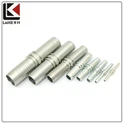
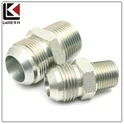
Can hose ferrules be used in automotive applications? That's a question I often get asked as a supplier of hose ferrules. In this blog post, I'll share my insights on this topic, and why I think hose ferrules can be a great choice for automotive use.
First off, let's talk about what hose ferrules are. Essentially, a hose ferrule is a ring or cap that's used to reinforce the end of a hose. It helps to prevent the hose from splitting, fraying, or coming apart when it's under pressure. They're commonly made from materials like stainless steel, brass, or plastic, each offering different levels of durability and corrosion resistance.
Now, let's dive into automotive applications. The automotive industry is a tough one. Parts need to withstand high temperatures, vibrations, and varying levels of pressure. Engine coolant hoses, for example, need to handle hot liquid and maintain a tight seal to prevent leaks. That's where hose ferrules come in handy. They can be used to secure hoses in place, ensuring that there's no chance of them popping off or leaking.


One of the key benefits of using hose ferrules in automotive applications is their reliability. When you're driving a car, you don't want to worry about hoses coming loose or failing. Hose ferrules provide an extra layer of security, keeping hoses firmly attached to their fittings. This is crucial in systems like the fuel injection system, where a leak could be not only a performance issue but also a safety hazard.
Another advantage is the ease of installation. Hose ferrules are relatively simple to install, which can save time and labor costs during the manufacturing process. Mechanics can quickly attach them to hoses without the need for specialized tools or extensive training. This makes them a practical choice for automotive manufacturers looking to streamline their production.
But, not all hose ferrules are created equal. When choosing hose ferrules for automotive use, it's important to consider the specific requirements of the application. For example, if you're dealing with high - pressure hydraulic systems in a heavy - duty vehicle, you'll need ferrules that can handle that kind of pressure. That's where high - quality DIN Hydraulic Fittings come in. They're designed to meet strict standards and can withstand the rigors of automotive hydraulic systems.
On the other hand, if you're working on a lighter - duty vehicle or a system with lower pressure requirements, Steel Hydraulic Fittings might be a more cost - effective option. They still offer good durability and performance, but at a more affordable price point.
In addition to pressure requirements, you also need to think about the chemical compatibility of the ferrule material with the fluid in the hose. Some fluids can be corrosive, so you'll want to choose a ferrule material that won't react with the fluid. Stainless steel is a popular choice because it's resistant to corrosion from a wide range of chemicals, including automotive fluids like coolant and oil.
Let's also touch on the importance of proper sizing. A hose ferrule that's too small won't fit properly, and it won't provide the necessary reinforcement. On the other hand, a ferrule that's too large might not create a tight seal, leading to leaks. That's why it's crucial to measure the hose diameter accurately and choose the right size ferrule. This is where having a knowledgeable supplier can make a big difference. We can help you select the right ferrule for your specific automotive application, ensuring a perfect fit every time.
Now, let's talk about some of the common automotive applications where hose ferrules can be used. In addition to the coolant and fuel systems I mentioned earlier, they're also used in the power steering system. The power steering system relies on hydraulic pressure to assist with steering, and hose ferrules help to keep the hydraulic hoses in place and prevent leaks. This is essential for smooth and responsive steering.
Another area is the air intake system. Hoses in the air intake system need to be able to handle the flow of air and maintain a proper seal. Hose ferrules can help to secure these hoses, ensuring that the engine gets the right amount of air for optimal performance.
When it comes to the exhaust system, while it might seem like an unlikely place for hose ferrules, they can still play a role. Some modern vehicles use flexible hoses in the exhaust system to reduce vibrations and noise. Hose ferrules can be used to secure these hoses, preventing them from coming loose and causing exhaust leaks, which can be a major safety and environmental concern.
In conclusion, hose ferrules can definitely be used in automotive applications, and they offer a number of benefits. They provide reliability, ease of installation, and can be tailored to meet the specific needs of different automotive systems. Whether you're an automotive manufacturer looking for high - quality components or a mechanic in need of reliable parts for repairs, hose ferrules are a great choice.
If you're interested in learning more about our hose ferrules or have any questions about their suitability for your automotive application, don't hesitate to reach out. We're here to help you find the right solutions for your needs. Whether it's DIN Hydraulic Fittings, Steel Hydraulic Fittings, or Hydraulic Hose Connector, we've got you covered. Let's start a conversation about how we can work together to meet your automotive hose ferrule requirements.
References
- Automotive Engineering Handbook: Covers general automotive system requirements and component usage.
- Hydraulic Fittings Manufacturer Guides: Provide details on the performance and application of different types of fittings.