Can NPT Adapters be used for sewage applications?
As a supplier of NPT Adapters, I often encounter questions from customers regarding the suitability of our products for various applications, especially sewage systems. NPT, or National Pipe Taper, adapters are widely used in many industries due to their standardized design and reliable performance. However, when it comes to sewage applications, there are several factors to consider.
Understanding NPT Adapters
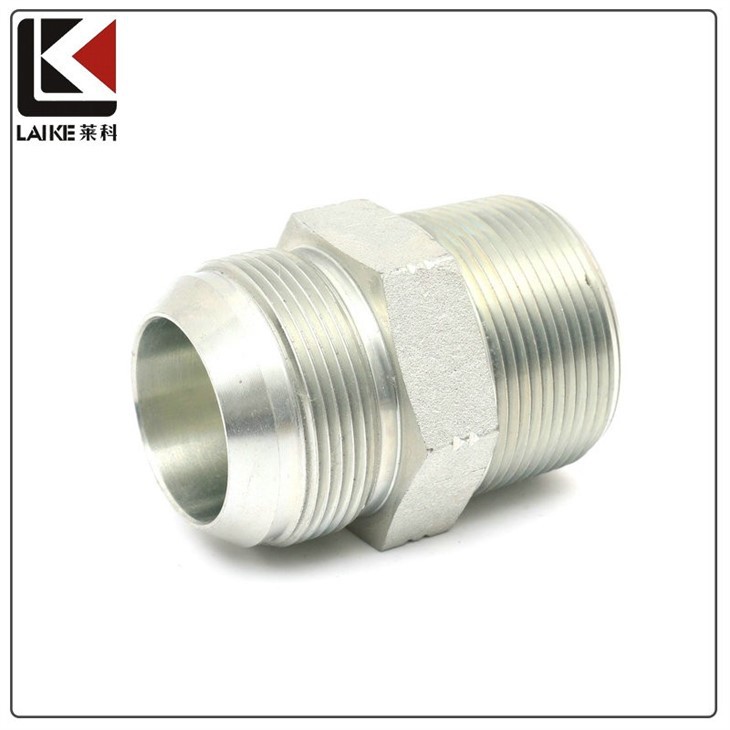
NPT adapters are designed to create a tight seal between pipes and fittings. They have a tapered thread that allows for a more secure connection as the threads are tightened. This design is based on the American National Standard Pipe Threads for General Purpose (ASME B1.20.1). The taper of the NPT threads helps to prevent leakage by creating a metal - to - metal seal when the fitting is tightened.
These adapters come in a variety of materials, including brass, stainless steel, and carbon steel. Each material has its own set of properties that make it suitable for different environments and applications. For example, brass is known for its corrosion resistance and ease of machining, while stainless steel offers excellent durability and resistance to harsh chemicals.
Characteristics of Sewage Systems
Sewage systems carry a mixture of wastewater, solids, and sometimes corrosive substances. The wastewater can contain organic matter, bacteria, and various chemicals from domestic and industrial sources. Solids such as toilet paper, food particles, and small debris can also be present in the sewage flow. Additionally, the sewage environment may be acidic or alkaline depending on the nature of the waste being discharged.
The flow in sewage systems is often turbulent, which can put stress on the pipes and fittings. There is also a risk of blockages due to the presence of solids, and the system may need to withstand occasional high - pressure surges.
Suitability of NPT Adapters for Sewage Applications
Material Compatibility
- Brass NPT Adapters: Brass is a common material for NPT adapters. In sewage applications, brass can offer good corrosion resistance against mild acidic and alkaline conditions. However, long - term exposure to highly corrosive sewage, especially if it contains high levels of sulfur or other aggressive chemicals, can cause brass to corrode over time. This corrosion can lead to leaks and a decrease in the integrity of the connection.
- Stainless Steel NPT Adapters: Stainless steel is a more suitable option for sewage applications. It has excellent corrosion resistance, even in the presence of aggressive chemicals. Stainless steel NPT adapters can withstand the harsh environment of sewage systems for a longer period without significant degradation. They are also more resistant to the abrasive effects of solids in the sewage flow.
- Carbon Steel NPT Adapters: Carbon steel is less suitable for sewage applications compared to stainless steel. It is prone to rusting when exposed to moisture and corrosive substances in the sewage. Rust can weaken the adapter and lead to leaks, making it a less reliable choice for long - term use in sewage systems.
Seal Integrity
The tapered thread design of NPT adapters generally provides a good seal. However, in sewage applications, the presence of solids and debris can interfere with the formation of a proper seal. If particles get trapped between the threads, it can prevent the adapter from tightening properly, leading to leaks. To address this issue, proper installation techniques are crucial. This may include cleaning the threads before installation and using appropriate sealing compounds.
Pressure and Flow Considerations
Sewage systems can experience varying pressure and flow conditions. NPT adapters need to be able to withstand the pressure surges that can occur in these systems. The design of NPT adapters allows them to handle moderate to high pressures, but it is important to select the appropriate size and rating for the specific sewage application. For high - flow sewage systems, larger - diameter NPT adapters may be required to ensure smooth flow and prevent blockages.
Advantages of Using NPT Adapters in Sewage Applications
- Standardization: NPT adapters are based on a well - established standard, which means they are readily available in the market. This makes it easier to source replacement parts and ensure compatibility with existing pipes and fittings in sewage systems.
- Versatility: NPT adapters can be used to connect different types of pipes and fittings, such as PVC, cast iron, and steel pipes. This versatility allows for flexibility in the design and installation of sewage systems.
- Ease of Installation: The tapered thread design of NPT adapters makes them relatively easy to install. With the right tools and proper installation techniques, even non - professional installers can achieve a reliable connection.
Limitations and Challenges
- Corrosion Risk: As mentioned earlier, some materials used for NPT adapters may be prone to corrosion in sewage environments. This can lead to maintenance issues and the need for frequent replacement of the adapters.
- Blockage Potential: The presence of solids in sewage can cause blockages at the adapter connections. This can disrupt the flow in the sewage system and require regular cleaning and maintenance.
- Sealing Challenges: Achieving a perfect seal can be challenging in sewage applications due to the presence of debris and the turbulent flow. Improper sealing can result in leaks, which can be a health and environmental hazard.
Other Pipe Fittings and Adapters for Sewage Applications
In addition to NPT adapters, there are other types of pipe fittings and adapters that can be used in sewage applications. For example, Pipe Fittings such as compression fittings and push - fit fittings offer alternative solutions. Compression fittings use a compression ring to create a seal, which can be effective in preventing leaks. Push - fit fittings are easy to install and can provide a quick and reliable connection.
Kumatsu Adapter and American Adapter are also options that may be suitable for specific sewage applications. These adapters may have unique features and designs that make them more suitable for certain types of sewage systems or installation requirements.
Conclusion
In conclusion, NPT adapters can be used for sewage applications, but careful consideration must be given to material selection, installation techniques, and maintenance requirements. Stainless steel NPT adapters are generally the best choice due to their corrosion resistance and durability. While NPT adapters offer several advantages such as standardization and ease of installation, they also face challenges such as corrosion and blockage risks.

If you are considering using NPT adapters for your sewage application, it is important to consult with a professional or our team of experts. We can help you select the right type of NPT adapter based on your specific requirements and ensure a proper installation. Whether you are building a new sewage system or upgrading an existing one, our range of NPT adapters can provide a reliable solution. Contact us today to discuss your procurement needs and start a productive negotiation.
References
- ASME B1.20.1 - American National Standard Pipe Threads for General Purpose
- Textbooks on Plumbing and Sewage Systems Design