Do JIC Hose Fittings Require Special Tools for Installation?
As a supplier of JIC hose fittings, I've encountered numerous customers with questions about the installation process. One of the most common queries is whether JIC hose fittings demand special tools for installation. In this blog, I'll delve into this topic to provide you with a comprehensive understanding.
Understanding JIC Hose Fittings
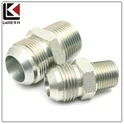
JIC (Joint Industry Council) hose fittings are widely used in hydraulic systems due to their reliability and high - pressure resistance. These fittings feature a 37 - degree flare seat, which provides a tight seal when properly installed. They are commonly used in applications such as construction equipment, agricultural machinery, and industrial manufacturing.
JIC fittings come in various types, including straight connectors, elbows, tees, and adapters. Each type serves a specific purpose in a hydraulic system, allowing for the proper routing and connection of hoses. The quality of JIC hose fittings is crucial, as any leakage can lead to system inefficiencies, increased maintenance costs, and even safety hazards.
General Installation Requirements
Before discussing special tools, it's important to understand the basic installation requirements for JIC hose fittings. First, the hose must be cut to the appropriate length using a sharp hose cutter. A clean, square cut is essential to ensure a proper seal. The hose end should be free of any debris or burrs that could interfere with the fitting installation.
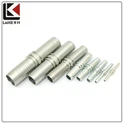
Next, the Hose Ferrule needs to be installed on the hose. The ferrule is designed to grip the hose tightly and transfer the hydraulic pressure to the fitting. It should be inserted onto the hose according to the manufacturer's specifications.
Once the ferrule is in place, the JIC fitting can be attached. The fitting is threaded onto the hose assembly, and the flare on the fitting must align with the 37 - degree seat on the mating component. Proper alignment is crucial to prevent leaks. The connection should be tightened gradually to ensure an even and secure fit.
Tools for Basic Installation
In many cases, basic tools are sufficient for the installation of JIC hose fittings. A pair of adjustable wrenches is often used to tighten the fittings. These wrenches can be adjusted to fit different sizes of fittings, making them a versatile tool for the job. A torque wrench is also recommended, especially for high - pressure applications. A torque wrench allows you to tighten the fitting to the manufacturer's specified torque value, ensuring a consistent and reliable seal.


A hose cutter is another essential tool. A sharp and clean cut is required to prevent any damage to the hose and to ensure a proper fit with the fitting. Manual hose cutters are available for smaller hoses, while power - operated cutters can be used for larger hoses or high - volume production.
Special Tools for Complex Situations
While basic tools can handle most installation tasks, there are situations where special tools may be necessary. For example, in some industrial settings, space constraints can make it difficult to use standard wrenches. In such cases, offset wrenches or crowfoot wrenches may be required. These specialized wrenches are designed to fit into tight spaces and allow for the proper tightening of fittings.
Hydraulic press tools are also used in some cases. Hydraulic Hose Tails and certain types of Hydraulic Ferrule installations may require a hydraulic press to ensure a secure and proper connection. A hydraulic press can apply a consistent and high amount of force, which is necessary for some heavy - duty applications.
Another special tool is the flare nut wrench. This wrench is specifically designed for use with flare nuts, such as those found on JIC fittings. The open - ended design of the flare nut wrench allows it to grip the nut more securely than a standard wrench, reducing the risk of rounding off the nut during installation.
Benefits of Using Special Tools
Using special tools for JIC hose fitting installation can offer several benefits. First and foremost, it ensures a more precise and reliable installation. Specialized tools are designed to perform specific tasks with greater accuracy, which can lead to a better seal and reduced risk of leaks.
In addition, special tools can improve efficiency. For example, a hydraulic press can quickly and easily install fittings, reducing the time required for the installation process. This can be particularly beneficial in high - volume production environments.
Finally, using the right tools can also enhance safety. Properly installed fittings are less likely to fail under pressure, reducing the risk of hydraulic fluid leaks, which can be hazardous to both equipment and personnel.
Conclusion
In conclusion, while JIC hose fittings can often be installed using basic tools, there are situations where special tools are necessary. The decision to use special tools depends on factors such as the type of application, space constraints, and the specific requirements of the installation. As a supplier of JIC hose fittings, we understand the importance of proper installation and can provide guidance on the tools and techniques needed for a successful installation.
If you are in the market for high - quality JIC hose fittings or need advice on installation tools, we invite you to contact us for a procurement discussion. Our team of experts is ready to assist you in finding the right solutions for your hydraulic system needs.
References
- "Hydraulic Fitting Handbook" by Parker Hannifin Corporation
- "Fluid Power Technology" by David Crolla