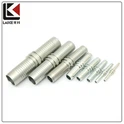
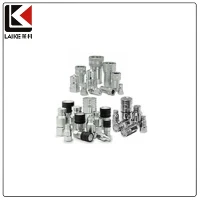
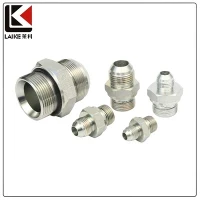
In the industrial sector, hose ferrules play a crucial role in ensuring the integrity and efficiency of fluid transfer systems. As a hose ferrule supplier, I understand the importance of providing high - quality products to our customers. In this blog, I will share some key factors on how to identify a high - quality hose ferrule.
Material Quality
The material of a hose ferrule is the foundation of its quality. High - quality hose ferrules are typically made from premium materials such as stainless steel, brass, or carbon steel, each with its own advantages.
Stainless steel is a popular choice due to its excellent corrosion resistance. It can withstand harsh environments, including exposure to chemicals, moisture, and high temperatures. This makes it ideal for applications in industries such as food processing, chemical manufacturing, and marine. For example, in a food processing plant, a stainless - steel hose ferrule can prevent contamination of the product by withstanding the cleaning agents and maintaining its structural integrity over time.
Brass, on the other hand, is known for its good malleability and electrical conductivity. It is often used in applications where a certain degree of flexibility is required, such as in some electrical or plumbing systems. Brass hose ferrules can be easily formed into the desired shape during the manufacturing process, ensuring a proper fit with the hose.
Carbon steel is a strong and durable material. It offers high tensile strength, making it suitable for high - pressure applications. However, carbon steel is more prone to corrosion compared to stainless steel, so it usually requires proper coating or plating to enhance its corrosion resistance.
When evaluating the material of a hose ferrule, it is important to check the material certificate provided by the supplier. This certificate should indicate the type of material, its chemical composition, and relevant quality standards it meets.
Manufacturing Precision
The manufacturing process of hose ferrules greatly affects their quality. High - quality hose ferrules are produced with high precision to ensure a perfect fit with the hose.


One important aspect of manufacturing precision is the dimensional accuracy. The inner diameter, outer diameter, and length of the ferrule must be within the specified tolerance range. A ferrule with inaccurate dimensions may not properly grip the hose, leading to leakage or even hose detachment. For example, if the inner diameter of the ferrule is too large, it will not provide enough compression on the hose, while an inner diameter that is too small may damage the hose during installation.
Surface finish is another key factor. A smooth surface finish reduces friction between the ferrule and the hose, making the installation process easier. It also helps to prevent damage to the hose and improves the overall sealing performance. Additionally, a good surface finish can enhance the corrosion resistance of the ferrule by reducing the areas where corrosion can start.
The connection design between the ferrule and the hose is also crucial. Some advanced manufacturing techniques ensure a tight and secure connection. For instance, Skive Ferrule is designed with a special skiving process that allows for a better grip on the hose, improving the overall performance and reliability of the connection.
Sealing Performance
A high - quality hose ferrule should provide excellent sealing performance to prevent fluid leakage. There are several factors that affect the sealing performance of a hose ferrule.
The design of the sealing surface is important. It should be able to create a tight seal with the hose under different operating conditions. Some ferrules have a tapered or serrated sealing surface, which can increase the contact pressure between the ferrule and the hose, improving the sealing effect.
The material used for the sealing element also matters. For example, rubber gaskets or O - rings are commonly used in hose ferrules to enhance the sealing performance. High - quality rubber materials should have good elasticity, chemical resistance, and temperature resistance. They should be able to maintain their sealing properties over a wide range of temperatures and pressures.
In addition, the installation method can significantly impact the sealing performance. Proper installation techniques, such as using the correct torque when tightening the ferrule, are essential. Over - tightening or under - tightening the ferrule can lead to leakage. It is important to follow the manufacturer's installation instructions carefully.
Pressure and Temperature Resistance
Hose ferrules are often used in applications where they are exposed to different pressures and temperatures. A high - quality hose ferrule should be able to withstand these conditions without losing its performance.
For high - pressure applications, the ferrule must have sufficient strength to prevent bursting or deformation. The material and design of the ferrule play important roles in determining its pressure resistance. For example, in hydraulic systems, Hydraulic Flange Fittings are designed to handle high pressures. They are usually made from high - strength materials and have a robust connection design to ensure safe and reliable operation under high - pressure conditions.
Temperature resistance is also crucial. Extreme temperatures can affect the material properties of the ferrule and the hose. High temperatures can cause the material to expand, while low temperatures can make the material brittle. A high - quality hose ferrule should be able to maintain its structural integrity and sealing performance within the specified temperature range. For example, in automotive engines, hose ferrules need to withstand high - temperature environments without leaking or failing.
Durability and Longevity
Durability is an important characteristic of a high - quality hose ferrule. A durable ferrule can withstand repeated use, vibrations, and mechanical stress without significant wear or damage.
The choice of material and the quality of the manufacturing process contribute to the durability of the ferrule. As mentioned earlier, materials like stainless steel and carbon steel offer good durability. Additionally, proper heat treatment and surface treatment can further enhance the hardness and wear resistance of the ferrule.
The design of the ferrule also affects its longevity. A well - designed ferrule should be able to distribute the stress evenly during operation, reducing the risk of premature failure. For example, a ferrule with a proper fillet radius at the corners can prevent stress concentration, which can lead to cracking.
Compatibility with the Hose
A high - quality hose ferrule must be compatible with the hose it is used with. Compatibility includes both physical and chemical compatibility.
Physically, the ferrule should have the right size and shape to fit the hose properly. It should be able to provide enough compression to hold the hose securely without causing damage. Different types of hoses, such as rubber hoses, plastic hoses, or metal hoses, may require different types of ferrules. For example, Hose End is designed to be compatible with specific types of hoses, ensuring a proper and reliable connection.
Chemically, the ferrule material should not react with the fluid being transferred through the hose. For example, in a chemical processing plant, the ferrule material must be resistant to the chemicals in the fluid to prevent corrosion and contamination.
Quality Assurance and Certification
When looking for a high - quality hose ferrule, it is important to choose a supplier that has a strict quality assurance system. A reliable supplier should conduct various quality tests during the manufacturing process, such as dimensional inspection, material testing, and performance testing.
Certifications are also an important indicator of the quality of the hose ferrule. Certifications such as ISO 9001, which indicates that the supplier has a quality management system in place, can give customers confidence in the product's quality. Other industry - specific certifications, such as those for the aerospace or automotive industries, can also be a sign of high - quality products.
In conclusion, identifying a high - quality hose ferrule requires a comprehensive evaluation of various factors, including material quality, manufacturing precision, sealing performance, pressure and temperature resistance, durability, compatibility with the hose, and quality assurance. As a hose ferrule supplier, we are committed to providing our customers with the highest - quality products that meet their specific needs. If you are in the market for hose ferrules or have any questions about our products, please feel free to contact us for more information and to start a procurement negotiation.
References
- Industrial Fluid Handling Handbook
- Material Science for Engineering Applications
- Standards and Guidelines for Hose Fittings in the Manufacturing Industry