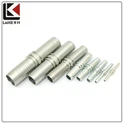
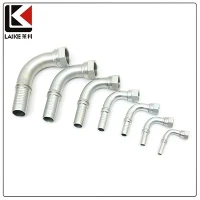
Hey there! As a hydraulic adapter supplier, I've dealt with all sorts of folks looking for the perfect hydraulic adapter. It can be a real maze out there, with so many options and not always clear what makes a high - quality one. In this blog, I'm gonna share some tips on how to identify a high - quality hydraulic adapter.
1. Material Matters
First off, the material of a hydraulic adapter is super important. High - quality adapters are usually made from top - notch metals. Steel is a common choice. Stainless steel, in particular, is great because it's corrosion - resistant. You don't want your adapter rusting up and causing leaks in your hydraulic system. For example, in a marine environment, where there's a lot of saltwater around, a stainless - steel adapter is a must.
Brass is another material you'll often see. It's relatively soft compared to steel, which means it can be easily machined. But it also has good corrosion resistance, especially in less harsh environments. When you're checking out an adapter, look at the finish of the material. A smooth, even finish is a good sign. If it looks rough or has pits, that could be a red flag.
2. Precision Manufacturing
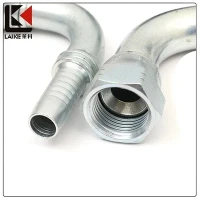
A high - quality hydraulic adapter is all about precision. The threads need to be just right. You can tell a lot by looking at the threads. They should be cleanly cut, with no signs of chipping or unevenness. If the threads are messed up, it won't fit properly in your hydraulic system, and that can lead to leaks.
The dimensions of the adapter also matter. It should match the specifications of your hydraulic equipment exactly. For instance, if you're using a Hydraulic Flange Adapters, it needs to have the right flange size and bolt hole pattern. Any deviation can cause problems down the line.
3. Pressure Rating
One of the most crucial aspects of a hydraulic adapter is its pressure rating. You need to know how much pressure the adapter can handle. High - quality adapters will have a clear pressure rating marked on them. This rating should be higher than the maximum pressure your hydraulic system will ever reach.
Let's say your hydraulic system operates at a maximum pressure of 2000 psi. You don't want an adapter with a pressure rating of just 2000 psi. You should look for one with a rating of, say, 3000 psi or more. This gives you a safety margin and ensures that the adapter won't fail under normal operating conditions.


4. Seal Quality
Seals are what prevent leaks in a hydraulic system. A high - quality adapter will have good - quality seals. The seals should be made from materials that can withstand the pressure and the type of fluid in your hydraulic system. For example, if you're using a hydraulic oil, the seals need to be compatible with that oil.
You can check the seals for signs of wear or damage. If they look cracked or brittle, that's a problem. Also, the way the seals are installed on the adapter is important. They should fit snugly and be properly seated.
5. Brand Reputation
Brand reputation can tell you a lot about the quality of a hydraulic adapter. A well - known and respected brand is more likely to produce high - quality products. Do some research on the brand before you buy. Look for reviews from other customers. If a brand has a lot of negative reviews about leaks or adapter failures, you might want to steer clear.
But don't just rely on brand name alone. Sometimes, smaller brands can also produce great adapters. You can ask for samples from different suppliers and test them out in your own system to see how they perform.
6. Compatibility
Compatibility is key when it comes to hydraulic adapters. You need to make sure the adapter is compatible with your existing hydraulic components. This includes things like the type of connection (e.g., NPT Adapters or JIC To JIC Adapter), the size of the ports, and the type of fluid.
For example, if you have a JIC - type connection on your hydraulic pump, you need an adapter that can connect to it properly. Using an incompatible adapter can lead to leaks, reduced performance, and even damage to your hydraulic system.
7. Testing and Certification
High - quality hydraulic adapters are usually tested before they're sold. Look for adapters that have been tested for pressure, leak - tightness, and other performance criteria. Some adapters may also have certifications from industry standards organizations.
Certifications like ISO or SAE mean that the adapter meets certain quality and performance standards. These certifications can give you peace of mind that you're buying a reliable product.
8. Cost vs. Quality
It's tempting to go for the cheapest option when buying hydraulic adapters, but that can be a false economy. A low - cost adapter may seem like a good deal at first, but if it fails or causes problems in your hydraulic system, you'll end up spending more in the long run.
On the other hand, just because an adapter is expensive doesn't mean it's high - quality. You need to balance cost with quality. Look for an adapter that offers good value for money. Sometimes, you can find a mid - priced adapter that has all the features you need.
Conclusion
Identifying a high - quality hydraulic adapter isn't always easy, but by paying attention to these factors, you can make a more informed decision. Remember, the right adapter can make a big difference in the performance and reliability of your hydraulic system.
If you're in the market for hydraulic adapters and want to discuss your specific needs, feel free to reach out. I'm here to help you find the perfect adapter for your application. Whether you're a small - scale DIYer or a large - scale industrial user, we've got the expertise to assist you. Let's work together to ensure your hydraulic system runs smoothly.
References
- "Hydraulic Systems Handbook" by John F. Caruthers
- Industry standards documents from ISO and SAE