Maintaining a hose assembly is crucial for ensuring its longevity, performance, and safety. As a reputable hose assembly supplier, we understand the importance of proper maintenance to keep your equipment running smoothly. In this blog post, we'll share some essential tips on how to maintain a hose assembly effectively.
Regular Inspections
Regular inspections are the cornerstone of hose assembly maintenance. By conducting routine checks, you can identify potential issues before they escalate into major problems. Here's what you should look for during inspections:
- External Damage: Check the hose for signs of abrasion, cuts, kinks, or bulges. These can weaken the hose and lead to leaks or failures. Pay special attention to areas where the hose is in contact with sharp edges or moving parts.
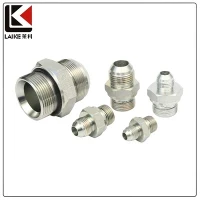
- Fittings: Inspect the fittings for tightness, corrosion, or damage. Loose fittings can cause leaks, while corroded or damaged fittings may need to be replaced. Make sure the fittings are properly seated and tightened to the manufacturer's specifications.
- Reinforcement Layers: If the hose has reinforcement layers, such as braids or spirals, check for signs of damage or separation. Damaged reinforcement layers can compromise the hose's strength and integrity.
- Fluid Leaks: Look for any signs of fluid leaks around the hose or fittings. Leaks can indicate a problem with the hose, fittings, or seals. If you notice a leak, it's important to address it immediately to prevent further damage.
Cleaning and Lubrication
Proper cleaning and lubrication can help extend the life of your hose assembly and prevent premature wear. Here are some tips on how to clean and lubricate your hoses:
- Cleaning: Use a mild detergent and water to clean the exterior of the hose. Avoid using harsh chemicals or solvents, as these can damage the hose material. Rinse the hose thoroughly with clean water and allow it to dry completely before reinstalling it.
- Lubrication: Lubricate the fittings and seals with a compatible lubricant to prevent corrosion and ensure a proper seal. Make sure to use a lubricant that is recommended by the hose manufacturer. Apply the lubricant sparingly to avoid over-lubrication, which can attract dirt and debris.
Proper Storage
When not in use, it's important to store your hose assembly properly to prevent damage. Here are some tips on how to store your hoses:
- Coiling: Coil the hose neatly to prevent kinking and damage. Avoid coiling the hose too tightly, as this can cause stress on the hose material. Use a hose reel or hanger to keep the hose organized and off the ground.
- Protection: Protect the hose from exposure to sunlight, heat, moisture, and chemicals. Store the hose in a cool, dry place away from direct sunlight and sources of heat. If possible, cover the hose with a protective sleeve or tarp to prevent damage.
- Inspection: Before storing the hose, inspect it for any signs of damage or wear. If you notice any issues, address them before storing the hose to prevent further damage.
Pressure and Temperature Considerations
Hose assemblies are designed to operate within specific pressure and temperature ranges. Exceeding these limits can cause the hose to fail or degrade prematurely. Here are some tips on how to ensure your hose assembly operates within the recommended pressure and temperature ranges:


- Pressure Rating: Make sure the hose assembly you choose has a pressure rating that is suitable for your application. Check the manufacturer's specifications to determine the maximum pressure the hose can withstand. Avoid exceeding the pressure rating, as this can cause the hose to burst or leak.
- Temperature Rating: Similarly, make sure the hose assembly has a temperature rating that is suitable for your application. Check the manufacturer's specifications to determine the minimum and maximum temperatures the hose can withstand. Avoid exposing the hose to temperatures outside of the recommended range, as this can cause the hose to become brittle or soft.
- Monitoring: Regularly monitor the pressure and temperature of the fluid flowing through the hose assembly. Use a pressure gauge and temperature sensor to ensure the hose is operating within the recommended ranges. If you notice any fluctuations in pressure or temperature, investigate the cause and take appropriate action.
Replacement and Upgrades
Even with proper maintenance, hose assemblies will eventually need to be replaced. Over time, the hose material can degrade, the fittings can wear out, and the seals can fail. Here are some signs that it's time to replace your hose assembly:
- Age: If the hose assembly is approaching the end of its recommended service life, it's a good idea to replace it. The service life of a hose assembly can vary depending on the application, operating conditions, and hose material. Check the manufacturer's specifications to determine the recommended service life of your hose assembly.
- Damage: If the hose assembly has sustained significant damage, such as cuts, abrasions, or bulges, it should be replaced immediately. Damaged hoses can pose a safety hazard and may lead to leaks or failures.
- Performance Issues: If you notice a decrease in performance, such as reduced flow rate or pressure, it may be a sign that the hose assembly is worn out or damaged. In this case, it's a good idea to have the hose assembly inspected and replaced if necessary.
In addition to replacement, you may also want to consider upgrading your hose assembly to improve performance, reliability, or safety. Upgrading to a higher-quality hose material, better fittings, or more advanced seals can help extend the life of your hose assembly and reduce the risk of failures.
Conclusion
Maintaining a hose assembly is essential for ensuring its longevity, performance, and safety. By following these tips, you can keep your hose assembly in good condition and prevent costly downtime and repairs. Remember to conduct regular inspections, clean and lubricate the hose, store it properly, monitor the pressure and temperature, and replace it when necessary. If you have any questions or need assistance with hose assembly maintenance, please don't hesitate to contact us. We're here to help you find the right hose assembly for your application and provide you with the support you need to keep it running smoothly.
References
- Manufacturer's specifications and guidelines for hose assembly maintenance.
- Industry standards and best practices for hose assembly maintenance.
- Technical literature and research on hose assembly materials, design, and performance.