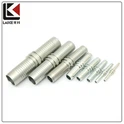
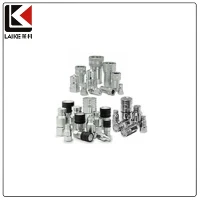
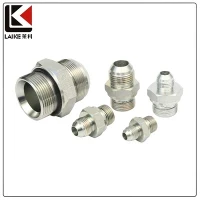
Maintaining hydraulic adapters is super important if you want to keep your hydraulic systems running smoothly. As a hydraulic adapter supplier, I've seen firsthand how proper maintenance can save you a ton of time and money. In this blog, I'll share some tips on how to maintain hydraulic adapters to ensure their long - term performance.


1. Regular Inspection
The first step in maintaining hydraulic adapters is regular inspection. You should check your adapters often, especially if you're operating in a harsh environment or using the hydraulic system frequently. Look for signs of wear, such as cracks, abrasions, or corrosion on the surface of the adapter.
Cracks can be a real problem. They can cause leaks, which not only waste hydraulic fluid but can also lead to a loss of system pressure. If you spot a crack, it's better to replace the adapter right away. Abrasions can also damage the seals and O - rings of the adapter, so make sure to address any signs of surface damage.
Corrosion is another issue. It can weaken the structure of the adapter and make it more prone to failure. In areas with high humidity or where the hydraulic system is exposed to chemicals, corrosion can happen quickly. You can use anti - corrosion coatings on the adapters to prevent this.
2. Keep the Adapters Clean
Hydraulic fluid can pick up dirt, debris, and other contaminants over time. If these contaminants get into the adapters, they can cause blockages and damage to the internal components. That's why it's crucial to keep the adapters clean.
Before installing a new adapter, make sure to clean both the adapter and the mating surfaces. You can use a clean, lint - free cloth and a suitable cleaning solvent. After cleaning, dry the parts thoroughly to prevent any moisture from causing corrosion.
During operation, use high - quality hydraulic filters to remove contaminants from the fluid. Change the filters regularly according to the manufacturer's recommendations. This will help keep the fluid clean and reduce the chances of contamination in the adapters.
3. Correct Installation
Proper installation of hydraulic adapters is key to their performance and longevity. First of all, make sure you select the right adapter for your hydraulic system. Consider factors such as the type of hydraulic fluid, the pressure rating, and the connection size.
When installing the adapter, follow the manufacturer's torque specifications carefully. Over - tightening can damage the adapter or the mating surface, while under - tightening can lead to leaks. Use a torque wrench to ensure accurate tightening.
It's also important to use the correct seals and O - rings. Make sure they are the right size and material for your application. Incorrect seals can cause leaks and affect the performance of the adapter.
4. Handle with Care
Even the best - quality hydraulic adapters can be damaged if they are not handled properly. When transporting or storing adapters, keep them in a clean and dry place. Protect them from physical damage, such as impacts or scratches.
Avoid dropping the adapters or subjecting them to excessive force. If an adapter has been dropped or roughly handled, inspect it carefully before using it. There may be hidden damage that could cause problems later on.
5. Temperature and Pressure Management
Hydraulic systems can operate under different temperature and pressure conditions. It's important to ensure that the adapters are used within their specified temperature and pressure ranges.
Excessive temperature can cause the seals to degrade and the adapter material to expand or contract, leading to leaks or structural damage. If the operating temperature is too high, consider using adapters made from heat - resistant materials.
Similarly, high - pressure situations can put a lot of stress on the adapters. Make sure your adapters have a high enough pressure rating for your system. Using adapters with a lower pressure rating than required can result in catastrophic failure.
Product - Specific Maintenance
We offer a wide range of hydraulic adapters, and some of them may require specific maintenance procedures.
JIC To BSP Adapter
The JIC To BSP Adapter is a popular type of adapter that connects JIC (Joint Industry Council) and BSP (British Standard Pipe) connections. When maintaining this type of adapter, pay special attention to the thread seals. The different thread types of JIC and BSP require the right kind of sealing compound to prevent leaks.
Flange Joint
Flange joints are used in high - pressure hydraulic systems. For Flange Joint and Flange Joint, regular inspection of the bolts and gaskets is crucial. Check for any signs of loosening or damage to the bolts. Replace worn - out gaskets to ensure a proper seal.
Conclusion
Maintaining hydraulic adapters doesn't have to be a headache. By following these simple tips - regular inspection, keeping them clean, correct installation, careful handling, and proper temperature and pressure management - you can extend the life of your hydraulic adapters and keep your hydraulic systems running efficiently.
If you're in the market for high - quality hydraulic adapters or need more advice on maintenance, don't hesitate to reach out. We're here to help you find the best solutions for your hydraulic needs. Contact us for a purchase discussion, and let's work together to keep your hydraulic systems in top shape.
References
- Hydraulic Adapter Handbook, Industry Standard Publications
- Manufacturer's Guides for Hydraulic Components
- Technical Papers on Hydraulic System Maintenance