As a supplier of SAE Flange Adapters, I've been in the industry long enough to know that leakage is a headache for many folks using these adapters. In this blog, I'm gonna share some tips on how to prevent leakage from SAE flange adapters.
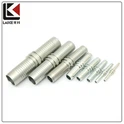
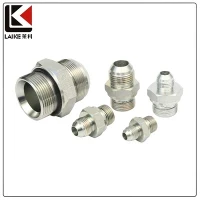
First and foremost, let's understand what SAE flange adapters are for those who might be new to the game. SAE flange adapters are crucial components in hydraulic systems, connecting different parts while maintaining the integrity of fluid flow. They come in various sizes and specifications, depending on the specific application. If you're interested in checking out different types of hydraulic fitting adapters, you can visit our page on Hydraulic Fitting Adapters.
Proper Installation
One of the primary causes of leakage in SAE flange adapters is improper installation. Here are some key points to keep in mind during the installation process:
Surface Preparation
Before installing the flange adapter, make sure the mating surfaces are clean and free from any debris, rust, or dirt. Even a tiny particle can prevent a proper seal, leading to leakage. Use a clean cloth or a suitable solvent to clean the surfaces thoroughly. Also, check for any scratches or damage on the surfaces. If there are any, it's best to repair or replace the parts to ensure a tight fit.
Torque Application
Applying the correct torque is crucial when installing SAE flange adapters. Over - tightening can damage the adapter or the mating parts, while under - tightening can result in a loose seal and leakage. Refer to the manufacturer's specifications for the recommended torque values. Use a calibrated torque wrench to ensure accurate torque application. It might seem like a small detail, but getting the torque right can make a huge difference in preventing leakage.
Alignment
Proper alignment of the flange adapter and the mating parts is essential. Misalignment can cause uneven stress on the seal, leading to premature failure and leakage. Make sure the holes in the flange adapter and the mating flange are perfectly aligned before inserting the bolts. This might require some patience and careful measurement, but it's well worth the effort to avoid leakage issues down the road.
Quality of Sealing Components
The quality of the sealing components in SAE flange adapters plays a significant role in preventing leakage.


O - Rings and Seals
O - rings and seals are the first line of defense against leakage. Always use high - quality, compatible seals and O - rings. Inferior quality seals can degrade quickly, especially in harsh operating conditions, leading to leakage. When selecting seals, consider factors such as temperature, pressure, and the type of fluid being used. We have a wide range of SAE Flange Adapters with top - notch sealing components on our SAE Flange Adapter page.
Sealant
In some cases, using a suitable sealant can enhance the sealing performance of SAE flange adapters. However, it's important to choose the right sealant for the specific application. Some sealants might not be compatible with certain fluids or operating temperatures. Always follow the manufacturer's recommendations when using sealants.
Regular Maintenance and Inspection
Regular maintenance and inspection can help detect and prevent leakage issues early on.
Visual Inspection
Perform regular visual inspections of the SAE flange adapters. Look for any signs of leakage, such as fluid stains or wet spots around the adapter. Also, check for any signs of damage to the adapter, bolts, or seals. If you notice any issues, address them immediately to prevent further leakage.
Pressure Testing
Periodically perform pressure testing on the hydraulic system to ensure the integrity of the SAE flange adapters. Pressure testing can help identify any potential leakage points that might not be visible during a visual inspection. If any leakage is detected during pressure testing, isolate the problem area and take appropriate action to fix it.
Compatibility with the System
It's crucial to ensure that the SAE flange adapter is compatible with the rest of the hydraulic system.
Fluid Compatibility
The type of fluid used in the hydraulic system can have a significant impact on the performance of the SAE flange adapter. Different fluids have different chemical properties, and using an incompatible fluid can cause the seals to degrade or the adapter to corrode. Make sure to choose an adapter that is compatible with the specific fluid being used in the system.
System Pressure and Temperature
The operating pressure and temperature of the hydraulic system also need to be considered when selecting an SAE flange adapter. Using an adapter that is not rated for the system's pressure and temperature can lead to premature failure and leakage. Always check the adapter's specifications to ensure it can handle the system's operating conditions.
Selecting the Right Adapter for the Job
Choosing the right SAE flange adapter for your specific application is key to preventing leakage.
Thread Type and Size
The thread type and size of the adapter must match the mating parts. Using an adapter with the wrong thread type or size can result in a loose connection and leakage. Take accurate measurements and ensure compatibility before making a purchase. If you're looking for specific types of adapters like JIC To BSP adapters, check out our JIC To BSP Adapter page.
Flow Rate Requirements
Consider the flow rate requirements of your hydraulic system when selecting an SAE flange adapter. An adapter with a too - small flow capacity can cause excessive pressure drop and potentially lead to leakage due to increased stress on the adapter. Make sure to choose an adapter that can handle the required flow rate.
In conclusion, preventing leakage from SAE flange adapters requires attention to detail in installation, using high - quality components, regular maintenance, ensuring compatibility with the system, and selecting the right adapter for the job. By following these tips, you can significantly reduce the risk of leakage and ensure the reliable operation of your hydraulic system.
If you're in the market for SAE Flange Adapters or other hydraulic fitting adapters, don't hesitate to reach out. We're here to help you find the right products for your needs and guide you through the installation and maintenance process. Let's start a conversation and get your hydraulic system up and running smoothly!
References
- Industry Standards for Hydraulic Fittings and Adapters
- Manufacturer's Guidelines for SAE Flange Adapters
- Hydraulic System Maintenance Manuals