Moisture can be a silent enemy when it comes to hydraulic fittings. As a hydraulic fitting supplier, I've seen firsthand the damage that moisture can cause to these crucial components. In this blog post, I'll share some effective strategies to prevent moisture damage to hydraulic fittings, ensuring their longevity and optimal performance.
Understanding the Impact of Moisture on Hydraulic Fittings
Moisture can infiltrate hydraulic fittings through various means, such as condensation, exposure to humid environments, or improper storage. Once inside, it can lead to a range of problems, including corrosion, rust, and the growth of mold and mildew. These issues can compromise the integrity of the fittings, leading to leaks, reduced efficiency, and even system failures.
Corrosion is one of the most common problems caused by moisture. When metal components are exposed to water, a chemical reaction occurs that causes the metal to break down over time. This can weaken the fittings, making them more prone to leaks and failures. Rust is another visible sign of moisture damage. It not only affects the appearance of the fittings but also reduces their strength and durability.
Mold and mildew can also grow in the presence of moisture, especially in warm and humid environments. These fungi can cause unpleasant odors, damage the surface of the fittings, and even pose health risks. In addition, the growth of mold and mildew can clog the internal passages of the fittings, restricting the flow of hydraulic fluid and reducing the efficiency of the system.
Preventive Measures
Proper Storage
One of the most important steps in preventing moisture damage to hydraulic fittings is proper storage. When not in use, fittings should be stored in a dry, clean, and well-ventilated area. Avoid storing them in areas prone to high humidity, such as basements or near water sources. If possible, use a dehumidifier to maintain a low humidity level in the storage area.
It's also important to protect the fittings from dust and debris. Cover them with a plastic sheet or a protective case to prevent contaminants from entering the fittings. When storing fittings for an extended period, consider applying a protective coating to prevent corrosion.
Sealing and Gaskets
Proper sealing is essential to prevent moisture from entering the hydraulic fittings. Make sure all seals and gaskets are in good condition and properly installed. Replace any damaged or worn seals immediately. Use high-quality seals and gaskets that are designed to withstand the specific conditions of your hydraulic system.
When installing fittings, ensure that the seals are properly compressed. Over-tightening the fittings can damage the seals, while under-tightening can lead to leaks. Follow the manufacturer's recommendations for the proper torque specifications when installing fittings.
Regular Inspections
Regular inspections are crucial to detect any signs of moisture damage early on. Inspect the fittings for signs of corrosion, rust, or mold. Check the seals and gaskets for any signs of wear or damage. Look for leaks or other signs of hydraulic fluid loss. If you notice any problems, take immediate action to address them.
In addition to visual inspections, consider using non-destructive testing methods, such as ultrasonic testing or X-ray inspection, to detect any internal damage to the fittings. These methods can help identify potential problems before they become serious.


Maintenance and Cleaning
Regular maintenance and cleaning are essential to keep hydraulic fittings in good condition. Clean the fittings regularly to remove any dirt, debris, or contaminants. Use a mild detergent and a soft brush to clean the fittings. Avoid using abrasive cleaners or tools that can damage the surface of the fittings.
After cleaning, dry the fittings thoroughly to prevent moisture from remaining on the surface. You can use a clean cloth or a compressed air gun to dry the fittings. If the fittings are exposed to water or other liquids, dry them as soon as possible to prevent corrosion.
Use of Moisture-Resistant Materials
When selecting hydraulic fittings, consider using materials that are resistant to moisture. Stainless steel, for example, is a popular choice for hydraulic fittings because it is highly resistant to corrosion. Other materials, such as brass and aluminum, can also be used, but they may require additional protection to prevent moisture damage.
In addition to the material of the fittings, consider using moisture-resistant coatings or treatments. These can provide an extra layer of protection against moisture and corrosion. Some coatings can also improve the lubricity of the fittings, reducing friction and wear.
Specific Products for Moisture Prevention
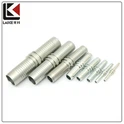
As a hydraulic fitting supplier, we offer a range of products that can help prevent moisture damage. For example, our NO Skive Ferrule is designed to provide a secure and leak-free connection, even in harsh environments. It is made of high-quality materials that are resistant to corrosion and moisture.
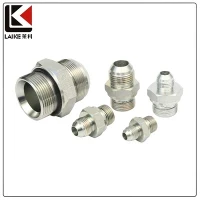
Our NPT Adapter Union is another product that can help prevent moisture damage. It is designed to provide a tight seal between different types of hydraulic fittings, preventing moisture from entering the system. The adapter union is made of durable materials that can withstand the high pressures and temperatures of hydraulic systems.
Our Hydraulic Hose Ferrule is also an important component in preventing moisture damage. It is used to secure the hydraulic hose to the fitting, providing a tight and leak-free connection. The ferrule is made of high-quality materials that are resistant to corrosion and moisture, ensuring the longevity and reliability of the hydraulic system.
Conclusion
Preventing moisture damage to hydraulic fittings is essential to ensure the longevity and optimal performance of your hydraulic system. By following the preventive measures outlined in this blog post, you can minimize the risk of moisture damage and keep your hydraulic fittings in good condition.
If you have any questions or need further information about preventing moisture damage to hydraulic fittings, please don't hesitate to contact us. We are a leading hydraulic fitting supplier, and we are committed to providing our customers with high-quality products and excellent customer service. Contact us today to discuss your specific needs and to learn more about our products and services.
References
- Smith, J. (2020). Hydraulic Fitting Maintenance and Troubleshooting. Industrial Press.
- Johnson, R. (2019). Preventing Corrosion in Hydraulic Systems. Hydraulics & Pneumatics.
- Brown, A. (2018). Moisture Management in Hydraulic Systems. Fluid Power Journal.