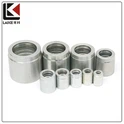
Quick couplings are essential components in various industries, facilitating the rapid connection and disconnection of fluid or gas lines. As a seasoned quick coupling supplier, I've witnessed firsthand the importance of these devices in streamlining operations. However, like any mechanical part, quick couplings can suffer damage over time. In this blog, I'll share some insights on how to repair a damaged quick coupling.
Understanding the Types of Quick Couplings
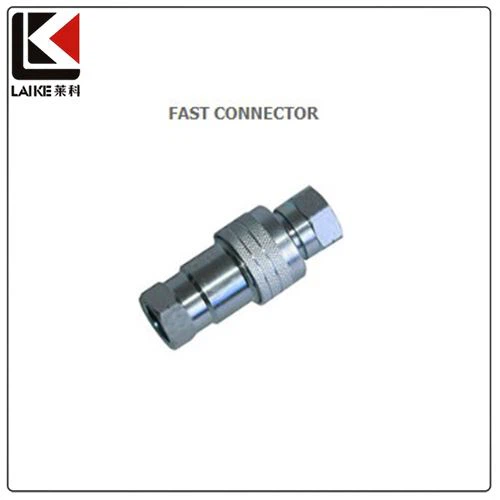
Before delving into the repair process, it's crucial to understand the different types of quick couplings available. There are hydraulic quick couplings, pneumatic quick couplings, and electrical quick couplings, each designed for specific applications. For hydraulic systems, Hydraulic Quick Couplers are commonly used to connect hydraulic hoses and components. These couplings are designed to withstand high pressures and ensure a leak-free connection. Hydraulic Quick Connect Couplings offer a similar function but with a focus on ease of use and quick connection. Fast Connector is another type of quick coupling that provides a rapid and secure connection for various fluids and gases.
Identifying the Damage
The first step in repairing a damaged quick coupling is to identify the source of the problem. Common issues include leaks, blockages, and damaged seals. Leaks can occur due to worn-out seals, loose connections, or damaged components. Blockages may be caused by debris or contaminants in the system, preventing the proper flow of fluid or gas. Damaged seals can lead to reduced performance and potential safety hazards.
To identify the damage, start by visually inspecting the quick coupling. Look for signs of wear, corrosion, or physical damage. Check the seals for any signs of cracking, tearing, or deformation. If you notice any leaks, try tightening the connections to see if the problem persists. If the leak continues, it may be necessary to replace the seals or other damaged components.
Tools and Materials Required
Once you've identified the damage, gather the necessary tools and materials for the repair. Some common tools include wrenches, pliers, screwdrivers, and seal pullers. You'll also need replacement seals, O-rings, and other components specific to your quick coupling model. Make sure to use high-quality replacement parts to ensure the longevity and performance of the repaired coupling.
Repairing the Quick Coupling
The repair process will vary depending on the type and extent of the damage. Here's a general guide on how to repair a damaged quick coupling:
- Disconnect the Quick Coupling: Before starting the repair, make sure to disconnect the quick coupling from the system. This will prevent any further damage and ensure your safety.
- Remove the Damaged Components: Use the appropriate tools to remove the damaged seals, O-rings, or other components. Be careful not to damage the surrounding parts during the removal process.
- Clean the Components: Once the damaged components are removed, clean the quick coupling and other parts thoroughly. Use a clean cloth or brush to remove any debris, dirt, or contaminants. Make sure to dry the components completely before proceeding.
- Install the Replacement Components: Apply a thin layer of lubricant to the new seals and O-rings to facilitate installation. Carefully insert the new components into the quick coupling, making sure they are properly seated and aligned. Use the appropriate tools to tighten the connections securely.
- Test the Repair: After installing the replacement components, reconnect the quick coupling to the system and test for leaks. Slowly pressurize the system and check for any signs of leakage. If the repair was successful, the quick coupling should function properly without any leaks.
Preventive Maintenance
To avoid future damage to your quick couplings, it's important to implement a regular preventive maintenance program. This includes regular inspections, cleaning, and lubrication of the quick couplings. Inspect the couplings for any signs of wear or damage and replace any worn-out components promptly. Clean the couplings regularly to remove any debris or contaminants that may cause blockages or damage. Apply a thin layer of lubricant to the seals and O-rings to prevent drying and cracking.

Conclusion
Repairing a damaged quick coupling is a relatively straightforward process that can save you time and money. By following the steps outlined in this blog, you can identify the damage, gather the necessary tools and materials, and perform the repair with confidence. Remember to use high-quality replacement parts and implement a regular preventive maintenance program to ensure the longevity and performance of your quick couplings.
If you have any questions or need further assistance with quick coupling repair or replacement, please don't hesitate to contact us. As a leading quick coupling supplier, we have the expertise and resources to provide you with the best solutions for your needs. We offer a wide range of high-quality quick couplings and replacement parts, as well as professional technical support and customer service. Contact us today to learn more about our products and services and to discuss your specific requirements.
References
- Industry standards and guidelines for quick coupling repair and maintenance.
- Manufacturer's instructions and documentation for your specific quick coupling model.
- Technical resources and publications on fluid and gas handling systems.