Sealing FJX Fitting connections is a critical process that can significantly impact the performance and longevity of your systems. As a trusted FJX Fitting supplier, I've witnessed firsthand how proper sealing can prevent leaks, reduce maintenance costs, and enhance overall operational efficiency. In this blog, I'll share some valuable insights and practical tips on how to seal FJX Fitting connections effectively.
Understanding FJX Fittings
Before delving into the sealing process, it's essential to understand the nature of FJX Fittings. These fittings are designed to provide a secure and reliable connection in various applications, including hydraulic systems, pneumatic systems, and fluid transfer systems. They come in different types and configurations, each tailored to specific requirements and operating conditions.
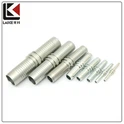
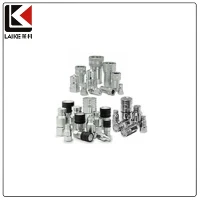
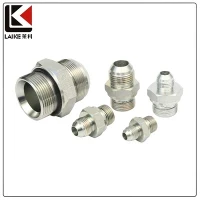
Some common types of FJX Fittings include One Piece Hose Fitting, Interlock Hose Fitting, and ORING Hydraulic Fittings. Each type has its unique features and advantages, but they all require proper sealing to function optimally.
Importance of Proper Sealing
Proper sealing of FJX Fitting connections is crucial for several reasons. Firstly, it prevents leaks, which can lead to fluid loss, contamination, and potential safety hazards. Leaks can also cause damage to surrounding equipment and components, resulting in costly repairs and downtime.
Secondly, a well-sealed connection ensures consistent performance and efficiency. It maintains the integrity of the system pressure, preventing pressure drops and fluctuations that can affect the operation of pumps, valves, and other components. This, in turn, helps to optimize the overall performance of the system and reduce energy consumption.
Finally, proper sealing extends the lifespan of the FJX Fittings and the entire system. By preventing leaks and minimizing wear and tear, it reduces the need for frequent replacements and maintenance, saving both time and money in the long run.
Steps to Seal FJX Fitting Connections
Step 1: Prepare the Fittings and Surfaces
Before installing the FJX Fittings, it's essential to prepare the fittings and the mating surfaces properly. Start by cleaning the fittings thoroughly to remove any dirt, debris, or contaminants. Use a clean cloth or a suitable cleaning solution to ensure that the surfaces are free from any particles that could interfere with the sealing process.
Inspect the fittings for any signs of damage or wear, such as cracks, scratches, or deformities. If any damage is detected, replace the fittings immediately to ensure a proper seal.
Next, prepare the mating surfaces by ensuring that they are smooth, flat, and free from any burrs or rough edges. Use a file or sandpaper to smooth out any rough areas and ensure a proper fit between the fittings and the mating surfaces.
Step 2: Select the Right Sealing Material
Choosing the right sealing material is crucial for achieving a reliable and long-lasting seal. The sealing material should be compatible with the fluid or gas being transferred, as well as the operating temperature and pressure of the system.
Some common sealing materials used for FJX Fittings include O-rings, gaskets, and thread sealants. O-rings are a popular choice for hydraulic and pneumatic systems due to their excellent sealing properties and resistance to pressure and temperature. Gaskets are typically used for larger connections or applications where a more flexible seal is required. Thread sealants, on the other hand, are used to seal threaded connections and prevent leaks.
When selecting the sealing material, consider the following factors:
- Fluid Compatibility: Ensure that the sealing material is compatible with the fluid or gas being transferred. Some fluids, such as chemicals or solvents, can react with certain sealing materials, causing them to degrade or fail.
- Temperature and Pressure Resistance: The sealing material should be able to withstand the operating temperature and pressure of the system. High temperatures and pressures can cause the sealing material to expand or contract, leading to leaks.
- Sealing Performance: Choose a sealing material that provides a reliable and long-lasting seal. Consider the sealing properties of the material, such as its compression set, hardness, and resilience.
Step 3: Install the Sealing Material
Once you have selected the right sealing material, it's time to install it properly. The installation method will depend on the type of sealing material and the fitting design.
- O-rings: To install an O-ring, first lubricate it with a suitable lubricant to prevent it from tearing or damaging during installation. Then, place the O-ring in the groove of the fitting, ensuring that it is seated properly and evenly. Make sure that the O-ring is not twisted or pinched, as this can affect its sealing performance.
- Gaskets: When installing a gasket, clean the mating surfaces thoroughly and apply a thin layer of gasket sealant to both surfaces. Then, place the gasket between the mating surfaces and align it properly. Use a torque wrench to tighten the bolts or nuts to the specified torque value, following the manufacturer's instructions.
- Thread Sealants: To use a thread sealant, apply a thin layer of the sealant to the male threads of the fitting. Make sure that the sealant covers the entire thread surface. Then, thread the fitting into the mating component, turning it clockwise until it is snug. Do not overtighten the fitting, as this can damage the threads and affect the sealing performance.
Step 4: Tighten the Fittings
After installing the sealing material, it's time to tighten the FJX Fittings. Use a suitable tool, such as a wrench or a torque wrench, to tighten the fittings to the specified torque value. Overtightening the fittings can damage the threads, the sealing material, or the fitting itself, while undertightening can result in leaks.
When tightening the fittings, make sure to follow the manufacturer's instructions and use the correct torque value. The torque value will depend on the size and type of the fitting, as well as the application and the operating conditions.


Step 5: Inspect the Sealed Connections
Once the fittings are tightened, it's important to inspect the sealed connections to ensure that they are leak-free. Use a suitable testing method, such as a pressure test or a visual inspection, to check for any signs of leaks.
- Pressure Test: To perform a pressure test, connect the system to a pressure source and gradually increase the pressure to the specified test pressure. Hold the pressure for a specified period of time and check for any drops in pressure or signs of leaks. If any leaks are detected, immediately shut off the pressure source and identify the location of the leak.
- Visual Inspection: A visual inspection can also be used to check for leaks. Look for any signs of fluid or gas leakage around the fittings, such as drips, stains, or bubbles. If any leaks are detected, tighten the fittings further or replace the sealing material if necessary.
Additional Tips for Sealing FJX Fitting Connections
- Follow the Manufacturer's Instructions: Always follow the manufacturer's instructions and recommendations when installing and sealing FJX Fittings. The manufacturer's instructions provide valuable information on the proper installation procedures, torque values, and sealing materials.
- Use Quality Fittings and Sealing Materials: Invest in high-quality FJX Fittings and sealing materials to ensure a reliable and long-lasting seal. Cheap or low-quality fittings and sealing materials may not provide the same level of performance and durability.
- Regular Maintenance and Inspection: Schedule regular maintenance and inspection of your FJX Fitting connections to ensure that they are in good condition. Check for any signs of wear, damage, or leaks, and replace the fittings or sealing materials as needed.
- Train Your Personnel: Provide proper training to your personnel on the installation and sealing of FJX Fittings. Ensure that they understand the importance of proper sealing and follow the correct procedures.
Conclusion
Sealing FJX Fitting connections is a critical process that requires careful attention to detail and the use of the right techniques and materials. By following the steps outlined in this blog and implementing the additional tips, you can ensure a reliable and long-lasting seal for your FJX Fittings, preventing leaks, reducing maintenance costs, and enhancing the overall performance of your systems.
If you're looking for high-quality FJX Fittings and need expert advice on sealing and installation, I'm here to help. As a trusted FJX Fitting supplier, I have the knowledge and experience to provide you with the best solutions for your specific needs. Contact me today to start a conversation about your requirements and explore how we can work together to achieve optimal results.
References
- Manufacturer's Installation Guides for FJX Fittings
- Industry Standards and Best Practices for Fitting Sealing