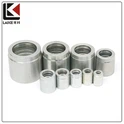
Hey there! As a supplier of quick couplings, I often get asked about the fire - resistance properties of these nifty little devices. So, I thought I'd sit down and write this blog to share some insights on this topic.
First off, let's understand what quick couplings are. They're basically connectors that allow for the easy and rapid connection and disconnection of fluid lines. They're used in a whole bunch of industries, from manufacturing to agriculture, and even in the automotive world. You can check out our Fast Connector for more details on the basic types of these connectors.
Now, when it comes to fire - resistance, it's a big deal. In many industrial settings, there are potential fire hazards. For instance, in a manufacturing plant where there are high - temperature processes or in an oil and gas facility where flammable substances are present. Quick couplings need to be able to withstand fire or at least delay the spread of fire to prevent catastrophic failures.
One of the key factors affecting the fire - resistance of quick couplings is the material they're made from. Most commonly, quick couplings are made from metals like steel, brass, or aluminum. Steel is known for its relatively good fire - resistance. It has a high melting point, which means it can stay intact for a longer time when exposed to high temperatures. For example, in a fire situation, a steel quick coupling may not immediately melt or deform, allowing the fluid system to maintain some level of integrity for a while.
Brass is another popular material. It has decent heat - resistance properties as well. However, compared to steel, its melting point is a bit lower. But it still offers a good balance between cost, durability, and fire - resistance for many applications. Aluminum, on the other hand, has a lower melting point than both steel and brass. So, in high - fire - risk environments, aluminum quick couplings may not be the best choice. But in some less - extreme situations where the fire risk is relatively low, they can still be used effectively due to their lightweight and corrosion - resistant properties.
Another aspect to consider is the design of the quick coupling. A well - designed quick coupling will have features that enhance its fire - resistance. For example, some couplings have special seals and gaskets that are made from fire - resistant materials. These seals can prevent the leakage of flammable fluids in case of a fire. If a fluid leaks out during a fire, it can fuel the fire and make the situation even worse. So, having reliable seals is crucial.
Also, the construction of the coupling itself can play a role. Some quick couplings are designed with a double - walled structure. This design can provide an extra layer of insulation, reducing the heat transfer to the fluid inside the coupling. In a fire, this can help keep the fluid from reaching its ignition point for a longer time.
Let's talk about different types of quick couplings and their fire - resistance. Hydraulic Quick Couplers are widely used in hydraulic systems. In hydraulic applications, the fluid is often under high pressure, and a fire can be extremely dangerous. Hydraulic quick couplings need to be able to handle the high - pressure environment while also being fire - resistant. They are usually made from high - quality metals and have advanced sealing technologies to ensure safety in case of a fire.
Hydraulic Quick Connect Couplings are similar to hydraulic quick couplers but are designed for even faster and easier connection and disconnection. Their fire - resistance properties also depend on the materials and design. For example, if they are used in a construction equipment's hydraulic system, which may be exposed to sparks or high - temperature exhausts, they need to be able to resist fire to prevent hydraulic fluid leaks and potential fires.
In addition to the material and design, the testing of quick couplings for fire - resistance is also very important. Reputable manufacturers will subject their quick couplings to various fire - resistance tests. These tests simulate real - world fire conditions to ensure that the couplings meet certain safety standards. For example, they may test the coupling's ability to maintain its structural integrity at a specific temperature for a set period of time or its ability to prevent fluid leakage during a fire.
When you're looking for quick couplings with good fire - resistance properties, it's important to ask the supplier about the testing and certification. Make sure the couplings you choose have been tested and meet the relevant safety standards for your industry.
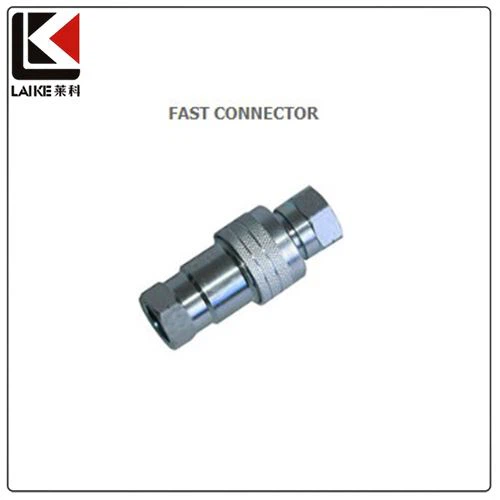
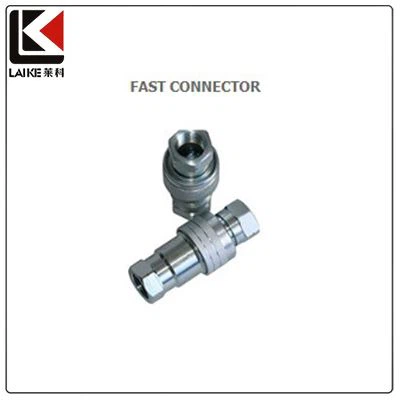
So, why should you choose our quick couplings when it comes to fire - resistance? Well, we take fire - safety seriously. We use high - quality materials in our manufacturing process. Our engineers design the couplings with fire - resistance in mind, incorporating the latest technologies and best practices. We also conduct rigorous fire - resistance tests on all our products to ensure they meet or exceed industry standards.
If you're in an industry where fire - safety is a concern, such as the mining, oil and gas, or manufacturing industries, our quick couplings can be a great choice. They can help you prevent potential fire - related disasters and keep your operations running smoothly.
If you're interested in learning more about our quick couplings or have any questions regarding their fire - resistance properties, don't hesitate to reach out. We're here to help you find the right quick coupling solutions for your specific needs. Whether you need a large quantity for a big project or just a few for a small - scale application, we've got you covered.
Let's work together to ensure your fluid systems are safe and reliable, especially when it comes to fire - resistance. Contact us today to start the procurement process and get the best quick couplings in the market.
References
- Industrial Fluid Handling Handbook
- Fire Safety Standards for Quick Couplings in Manufacturing Industries