What if I under - tighten a hose fitting?
As a seasoned supplier of hose fittings, I've encountered numerous questions from customers, and one that frequently pops up is, "What if I under - tighten a hose fitting?" This seemingly simple query holds significant implications for the performance, safety, and longevity of hydraulic and other fluid - handling systems. In this blog post, I'll delve into the potential consequences of under - tightening hose fittings and offer some insights on how to avoid these issues.
The Basics of Hose Fittings
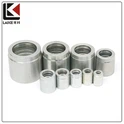
Before we explore the effects of under - tightening, let's briefly review what hose fittings are and their importance. Hose fittings are essential components used to connect hoses to various equipment, such as pumps, valves, and cylinders. They come in different types, including JIC Hydraulic Fittings, Interlock Ferrule, and Interlock Hose Fitting. Each type is designed to meet specific requirements in terms of pressure, temperature, and fluid compatibility.
Proper installation of hose fittings is crucial for ensuring a secure and leak - free connection. The fitting must be tightened to the manufacturer's recommended torque specification to maintain the integrity of the system.
Consequences of Under - Tightening Hose Fittings
Leakage
One of the most obvious and immediate consequences of under - tightening a hose fitting is leakage. When the fitting is not tightened enough, there is a gap between the mating surfaces, allowing fluid to escape. This can be a major problem, especially in hydraulic systems where even a small leak can lead to a significant loss of pressure and reduced system performance.
Leakage not only wastes valuable fluids but can also pose a safety hazard. For example, in industrial settings, leaked hydraulic fluid can create slippery surfaces, increasing the risk of slips, trips, and falls. In addition, some fluids may be toxic or flammable, and leakage can lead to environmental contamination or even fire.
Vibration and Loosening
Under - tightened hose fittings are more prone to vibration - induced loosening. As the system operates, vibrations can cause the fitting to gradually come loose over time. This is particularly true in high - pressure or high - flow systems where the forces acting on the fitting are greater.
Once the fitting starts to loosen, the leakage problem will worsen, and there is also a risk of the fitting coming completely off. This can lead to a sudden loss of fluid pressure, which can cause equipment failure and potentially endanger the safety of operators.
Damage to the Fitting and Hose
The constant movement and stress caused by an under - tightened fitting can also damage the fitting and the hose itself. The uneven pressure distribution can cause wear and tear on the sealing surfaces of the fitting, reducing its ability to form a proper seal.
In addition, the hose may be subjected to excessive bending or stretching near the fitting, which can weaken the hose structure and lead to premature failure. This can result in costly repairs and downtime for the system.
Reduced System Efficiency
A leaky hose fitting due to under - tightening can have a significant impact on the overall efficiency of the system. In a hydraulic system, for example, the loss of fluid pressure means that the system has to work harder to achieve the same level of performance. This leads to increased energy consumption and higher operating costs.
Moreover, the inconsistent flow of fluid caused by leakage can also affect the accuracy and precision of the equipment, resulting in reduced product quality and productivity.
How to Avoid Under - Tightening Hose Fittings
Use the Right Tools
To ensure that hose fittings are tightened to the correct torque, it is essential to use the right tools. A torque wrench is the most accurate way to measure and apply the appropriate amount of torque. Make sure to select a torque wrench that is suitable for the size and type of fitting you are working with.
Follow Manufacturer's Instructions
Always refer to the manufacturer's installation instructions for the specific hose fitting you are using. The instructions will provide the recommended torque specification and any special installation procedures that need to be followed.
Inspect the Fitting and Hose
Before installation, carefully inspect the fitting and the hose for any damage or defects. Make sure that the mating surfaces are clean and free of debris, as this can affect the quality of the seal.
Regular Maintenance and Inspection
Even if the hose fitting is initially tightened correctly, it is still important to conduct regular maintenance and inspections. Check for any signs of leakage, vibration, or loosening, and tighten the fitting if necessary.


Importance of Proper Training
Proper training is crucial for anyone involved in the installation and maintenance of hose fittings. Operators and technicians should be trained on the correct procedures for tightening hose fittings, including how to use the appropriate tools and follow the manufacturer's instructions.
Training can also help raise awareness of the potential consequences of under - tightening and the importance of regular maintenance. By investing in training, companies can reduce the risk of equipment failure, improve safety, and increase the overall efficiency of their operations.
Conclusion
Under - tightening a hose fitting can have serious consequences for the performance, safety, and longevity of a fluid - handling system. Leakage, vibration, damage to the fitting and hose, and reduced system efficiency are just some of the problems that can arise.
As a hose fitting supplier, I understand the importance of providing high - quality products and accurate information to our customers. We offer a wide range of hose fittings, including JIC Hydraulic Fittings, Interlock Ferrule, and Interlock Hose Fitting, and can provide guidance on proper installation and maintenance.
If you are in need of hose fittings or have any questions about their installation and use, please feel free to contact us. Our team of experts is ready to assist you in finding the right solutions for your specific needs.
References
- Manufacturer's installation manuals for hose fittings
- Industry standards and guidelines for hydraulic system installation and maintenance
- Technical papers on the effects of under - tightening on fluid - handling systems