In the realm of fluid transfer systems, hose ferrules play a crucial role in ensuring secure and leak - free connections. As a dedicated hose ferrule supplier, I've witnessed firsthand the importance of understanding the differences between male and female hose ferrules. This knowledge not only helps in making the right product selection but also in optimizing the performance of the entire system.
Structural Differences
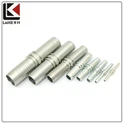
One of the most apparent differences between male and female hose ferrules lies in their physical structure. A male hose ferrule typically features an external thread. This thread is designed to screw into a corresponding female component. The male ferrule is often the part that is inserted into the hose, and its external thread provides a means of connection to other parts of the system.
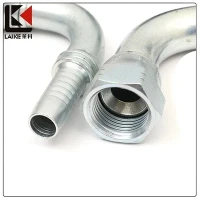
On the other hand, a female hose ferrule has an internal thread. This internal cavity is made to receive the male ferrule's external thread. The female ferrule is usually attached to a fitting or a port on a device. The internal threading is precisely machined to ensure a tight and secure fit with the male ferrule.
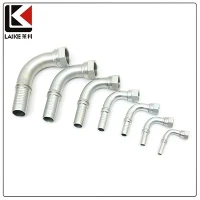
The shape and size of the ferrules also vary. Male ferrules often have a more pointed or tapered end to facilitate easy insertion into the hose. This tapered design helps in creating a better seal within the hose. Female ferrules, in contrast, have a more open - ended structure to accommodate the male ferrule. The diameter of the male and female ferrules must be carefully matched to ensure proper connection. For example, if a male ferrule is too large for a female ferrule, it won't screw in properly, and if it's too small, there will be a loose connection, leading to potential leaks.
Sealing Mechanisms
The sealing mechanisms of male and female hose ferrules are different. Male ferrules rely on the compression of the hose against their outer surface to create a seal. When the male ferrule is inserted into the hose and tightened, the hose material is compressed around the ferrule, preventing fluid from escaping. This compression seal is effective but requires proper installation to ensure a tight fit.
Female ferrules, however, often use a combination of the internal thread engagement and additional sealing elements. Some female ferrules have an O - ring or a gasket inside the threaded cavity. When the male ferrule is screwed in, the O - ring or gasket is compressed, creating a secondary seal. This double - sealing mechanism provides an extra layer of protection against leaks, especially in high - pressure applications.
In high - pressure systems, the sealing performance of both male and female ferrules becomes even more critical. High Pressure Ferrule are designed to withstand the extreme forces exerted by the fluid. The male ferrule must be able to maintain its grip on the hose under high pressure, while the female ferrule's sealing elements must remain intact to prevent any fluid leakage.
Application Scenarios
The choice between male and female hose ferrules depends largely on the application scenario. In simple fluid transfer systems, such as those used in household plumbing or small - scale industrial applications, the selection might be based on the ease of connection. For example, if a quick and straightforward connection is required, a male - female combination that is easy to screw together might be preferred.
In more complex hydraulic systems, the application requirements are more stringent. Hydraulic Connectors often involve high - pressure fluids and precise control. Male ferrules are commonly used when connecting hoses to pumps or valves. Their tapered design allows for a better fit within the hose, which is essential for maintaining the integrity of the hydraulic system. Female ferrules, on the other hand, are frequently used when connecting hoses to hydraulic cylinders or other equipment with ports. The internal sealing mechanisms of female ferrules are well - suited for the high - pressure and high - precision requirements of hydraulic systems.
High Pressure Hydraulic Fittings demand a high level of reliability. In these applications, the male and female ferrules must be carefully selected to ensure compatibility with the fluid type, pressure rating, and temperature conditions. For instance, in a high - pressure hydraulic system used in heavy machinery, the wrong choice of ferrule can lead to system failure, costly downtime, and even safety hazards.
Material Considerations
The materials used in male and female hose ferrules also differ based on their functions. Male ferrules are often made of materials that can withstand the compressive forces exerted by the hose. Stainless steel is a popular choice for male ferrules due to its high strength, corrosion resistance, and durability. It can maintain its shape and integrity even when subjected to repeated installation and removal.
Female ferrules, especially those used in high - pressure applications, may be made of materials that can handle the internal pressure and provide a good surface for the sealing elements. Brass is a common material for female ferrules as it is relatively soft, which allows for a better thread engagement and can accommodate the compression of the sealing elements. However, in more demanding applications, materials like alloy steel or titanium may be used for their superior strength and corrosion resistance.
The choice of material also depends on the type of fluid being transferred. For example, if the fluid is corrosive, such as certain chemicals or saltwater, ferrules made of corrosion - resistant materials like stainless steel or plastic must be used to prevent degradation.
Installation and Maintenance
Installing male and female hose ferrules requires different techniques. When installing a male ferrule, it is important to ensure that the hose is cut cleanly and the ferrule is inserted straight into the hose. Over - tightening the male ferrule can damage the hose, while under - tightening can result in a leaky connection. Special tools may be required to properly crimp or secure the male ferrule to the hose.
Installing a female ferrule involves aligning it with the port or fitting and screwing it on carefully. It is crucial to check the sealing elements, such as O - rings or gaskets, for any damage before installation. If the sealing elements are damaged, they should be replaced immediately to ensure a proper seal.
Maintenance of male and female hose ferrules also varies. Male ferrules need to be inspected regularly for signs of wear on the outer surface, especially where it comes into contact with the hose. If there is excessive wear, the ferrule may need to be replaced to maintain a good seal. Female ferrules should be checked for the integrity of the internal thread and the sealing elements. Any signs of corrosion or damage to the thread can affect the connection, and damaged sealing elements should be replaced promptly.


Conclusion
In conclusion, the differences between male and female hose ferrules are significant and impact various aspects of fluid transfer systems. From their structural design and sealing mechanisms to application scenarios, material choices, and installation and maintenance requirements, understanding these differences is crucial for anyone involved in the selection, installation, and maintenance of hose ferrules.
As a hose ferrule supplier, I am committed to providing high - quality products that meet the diverse needs of our customers. Whether you are working on a simple household project or a complex industrial hydraulic system, we have the expertise and the right products to ensure a reliable and leak - free connection. If you are in the market for hose ferrules or have any questions about male and female hose ferrules, please feel free to contact us for a detailed discussion and procurement. We look forward to working with you to optimize your fluid transfer systems.
References
- "Fluid Power Engineering Handbook" by Norman M. Schmidt
- "Hydraulic Systems: Components, Installation, and Maintenance" by Jack B. Johnson
- Industry standards and guidelines related to hose ferrules and hydraulic fittings.