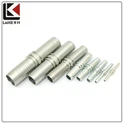
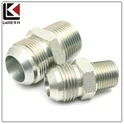
Hey there! As a supplier of Fast Connectors, I often get asked about the insulation resistance of these nifty little devices. So, let's dive right in and break it down.
First off, what exactly is insulation resistance? Well, in simple terms, it's a measure of how well an insulating material can resist the flow of electrical current. For Fast Connectors, this is a crucial factor, especially in applications where electrical isolation is needed. You don't want any unwanted electrical leakage, right?
Let's think about the scenarios where Fast Connectors are used. They're everywhere - from industrial machinery to electronic devices. In industrial settings, they might be used to connect different components of a machine. If there's poor insulation resistance, it could lead to electrical interference, which can mess up the operation of the whole system. And in electronic devices, it could cause malfunctions or, in the worst - case scenario, even pose a safety hazard.
Now, how is the insulation resistance of a Fast Connector determined? There are a few key factors at play. The material used in the connector is a big one. High - quality insulating materials, like certain types of plastics or ceramics, tend to have better insulation properties. For example, some engineering plastics are specifically designed to have high dielectric strength, which means they can withstand high voltages without breaking down and allowing current to flow.
The design of the connector also matters a great deal. A well - designed Fast Connector will minimize the chances of electrical leakage paths. This could involve things like proper spacing between the conductive parts and the insulating material, or the use of shielding to prevent external electrical fields from interfering.
Another important aspect is the environment in which the connector operates. If the connector is exposed to high humidity, dust, or chemicals, it can affect the insulation resistance. Moisture can act as a conductor, causing a decrease in the resistance. Dust and chemicals can also contaminate the insulating material, degrading its performance over time.
Let's talk about some real - world implications. Say you're using Fast Connectors in a power distribution system. If the insulation resistance is too low, it could lead to power losses. These losses not only waste energy but can also cause the system to overheat. Overheating can damage the connectors and other components in the system, leading to costly repairs and downtime.
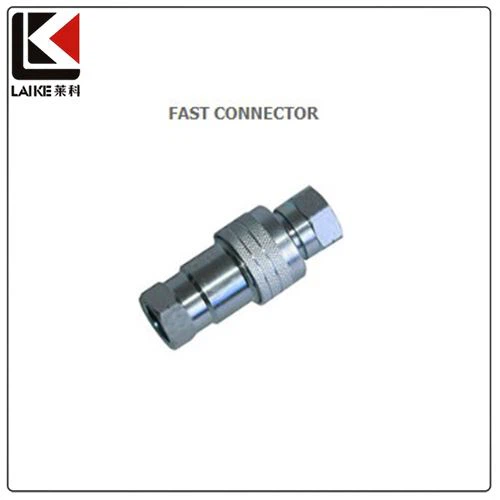

In the automotive industry, Fast Connectors are used in various electrical systems, such as the engine control unit and the lighting system. A connector with poor insulation resistance could cause electrical shorts, which might lead to a malfunction in the vehicle's electronics. This could be anything from a simple dashboard light not working to a more serious issue like the engine stalling.
Now, as a Fast Connector supplier, we take insulation resistance very seriously. We use only the best materials in our manufacturing process. Our engineers are constantly working on improving the design of our connectors to ensure optimal insulation performance. We also subject our products to rigorous testing in different environmental conditions to make sure they meet the highest standards.
If you're in the market for Fast Connectors, you might also be interested in some related products. For instance, we offer a range of Hydraulic Quick Connect Couplings. These are great for applications that involve the transfer of hydraulic fluids. They're designed for quick and easy connection and disconnection, and they also have good sealing properties to prevent leaks.
Another product in our lineup is the Flat Face Hydraulic Quick Coupler. These couplers are known for their excellent dirt - exclusion capabilities. They're perfect for use in dirty or harsh environments where keeping contaminants out of the hydraulic system is crucial.
And of course, we have a variety of Hydraulic Quick Couplers to suit different needs. Whether you need a high - flow coupler for a large hydraulic system or a smaller, more compact one for a precision application, we've got you covered.
If you're looking for top - quality Fast Connectors or any of our other products, don't hesitate to get in touch. We're here to help you find the right solutions for your specific requirements. Whether you're an engineer working on a new project or a maintenance technician looking to replace some old connectors, we can provide you with the best products and support. So, reach out to us and let's start a conversation about how we can meet your needs.
References
- Electrical Engineering Handbook: Covers general concepts of insulation resistance and its importance in electrical systems.
- Industrial Connector Standards: Documents that outline the requirements for insulation resistance in different types of connectors.
- Automotive Electrical System Design Guides: Provide insights into the use of connectors in automotive applications and the significance of insulation resistance.