As a seasoned supplier in the hose ferrule industry, I often encounter inquiries about the temperature range for the operation of hose ferrules. Understanding this temperature range is crucial as it significantly affects the performance, safety, and longevity of hose assemblies in various applications.
The Basics of Hose Ferrule Temperature Tolerance
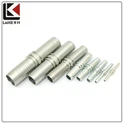
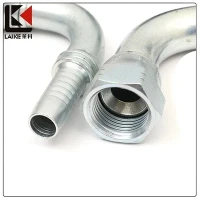
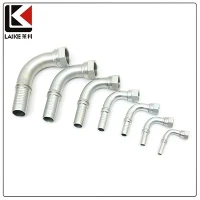
Hose ferrules are essential components used to secure hoses to fittings, ensuring a tight and leak - free connection. Different materials used in manufacturing hose ferrules have distinct temperature capabilities.
Metal Hose Ferrules
Metal is one of the most commonly used materials for hose ferrules. Stainless steel, for example, is highly popular due to its excellent corrosion resistance and strength. Stainless steel hose ferrules can generally operate within a relatively wide temperature range. They can withstand low temperatures down to around - 200°C (- 328°F) and high temperatures up to approximately 800°C (1472°F). This wide temperature window makes them suitable for a variety of industrial applications, including cryogenic systems and high - temperature manufacturing processes.
Copper is another metal option for hose ferrules. Copper ferrules offer good electrical conductivity and are malleable, making them easy to install. However, their temperature range is more limited compared to stainless steel. They can typically handle temperatures between - 20°C (- 4°F) and 200°C (392°F). This range makes them commonly used in plumbing and some low - to moderate - temperature fluid transfer systems.
Plastic Hose Ferrules
Plastic hose ferrules are often chosen for their lightweight, cost - effectiveness, and resistance to certain chemicals. Common plastic materials used for ferrules include nylon and polypropylene.
Nylon hose ferrules have a temperature range that usually spans from - 40°C (- 40°F) to 100°C (212°F). They are suitable for applications where the temperature does not reach extreme levels and where chemical resistance is required. For instance, they are commonly used in automotive coolant systems and some household plumbing applications.


Polypropylene ferrules, on the other hand, have a slightly narrower useful temperature range. They can typically operate between 0°C (32°F) and 80°C (176°F). These ferrules are often used in applications where the fluid being transferred is not at high temperatures, such as in some water - based irrigation systems.
Factors Affecting the Temperature Range
Several factors can influence the actual temperature range within which a hose ferrule can operate effectively.
Exposure Time
The length of time a hose ferrule is exposed to a particular temperature plays a significant role. Short - term exposure to extreme temperatures may not cause immediate failure, but prolonged exposure can lead to material degradation. For example, a stainless - steel ferrule might be able to withstand a brief spike in temperature to 900°C (1652°F), but if it is exposed to such high temperatures for an extended period, its mechanical properties may change, leading to reduced strength and potential failure.
Chemical Environment
The presence of chemicals in the operating environment can also impact the temperature tolerance of hose ferrules. Certain chemicals can react with the material of the ferrule, especially at high temperatures. For instance, in a chemical processing plant where acidic or alkaline substances are present, the chemical reaction can accelerate the corrosion or degradation of the ferrule material, narrowing its effective temperature range.
Pressure
The pressure within the hose system can interact with temperature to affect the performance of the ferrule. High pressure can increase the stress on the ferrule, and when combined with high temperatures, it can lead to premature failure. For example, in a high - pressure hydraulic system, the temperature of the hydraulic fluid may rise during operation. If the pressure is too high and the temperature exceeds the recommended range for the ferrule material, it can cause the ferrule to deform or loosen, resulting in leaks.
Importance of Staying within the Temperature Range
Operating a hose ferrule within its appropriate temperature range is of utmost importance for several reasons.
Safety
Safety is the top priority in any industrial or commercial application. If a hose ferrule is exposed to temperatures outside its recommended range, it can lead to a loss of integrity. This may result in leaks, which can be extremely dangerous, especially in applications involving flammable or toxic fluids. For example, in a fuel transfer system, a leak due to a ferrule failure caused by over - temperature can lead to a fire or explosion.
Performance
The performance of the entire hose assembly depends on the proper functioning of the ferrule. When the ferrule is outside its temperature range, it may not provide a secure connection. This can lead to reduced flow rates, pressure drops, and inefficient operation of the system. In a hydraulic system, for instance, a loose ferrule can cause the hydraulic fluid to leak, resulting in a loss of power and reduced efficiency of the machinery.
Longevity
Staying within the temperature range helps to extend the service life of the hose ferrule. Exposure to extreme temperatures can cause the material to crack, deform, or corrode over time. By operating within the recommended temperature limits, the ferrule can maintain its structural integrity, reducing the frequency of replacements and maintenance costs.
Applications and Recommended Temperature Ranges
Automotive Applications
In automotive engineering, temperature ranges for hose ferrules vary depending on the specific application. For engine coolant systems, nylon or copper ferrules are commonly used. The temperature in these systems typically ranges from 80°C (176°F) to 100°C (212°F) under normal operating conditions. However, during peak performance or in hot weather, the temperature can briefly exceed 100°C. Therefore, it is crucial to choose a ferrule material that can withstand these temperature fluctuations.
Industrial Hydraulic Systems
Industrial hydraulic systems often operate at high pressures and temperatures. High Pressure Hydraulic Fittings are commonly used in these applications. Stainless steel ferrules are a popular choice due to their ability to handle high temperatures and pressures. In most industrial hydraulic systems, the operating temperature can range from - 20°C (- 4°F) to 80°C (176°F). However, in some heavy - duty applications where the hydraulic fluid may heat up significantly during operation, the temperature can reach up to 120°C (248°F).
Chemical Processing
In chemical processing plants, the temperature and chemical environment are critical factors. Plastic ferrules made of materials with high chemical resistance, such as polypropylene or special - grade nylon, are often used. The temperature range in chemical processing can vary widely depending on the specific process. Some low - temperature chemical reactions may occur at around 0°C (32°F), while high - temperature processes can reach up to 200°C (392°F). It is essential to select a ferrule material that can withstand both the temperature and the chemical properties of the substances being handled.
Food and Beverage Industry
In the food and beverage industry, hygiene and temperature control are crucial. Stainless steel ferrules are commonly used due to their corrosion resistance and ease of cleaning. The temperature range in food and beverage processing typically ranges from 0°C (32°F) to 100°C (212°F). For example, in pasteurization processes, the temperature may reach up to 70 - 80°C (158 - 176°F) for a short period to kill bacteria.
Conclusion
In conclusion, understanding the temperature range for hose ferrule operation is essential for ensuring the safety, performance, and longevity of hose assemblies. Different materials have different temperature capabilities, and several factors can affect the actual operating temperature range. As a reliable hose ferrule supplier, we offer a wide range of ferrules made from various materials to meet the diverse needs of different industries. Whether you are looking for Swivel Hydraulic Fitting for your hydraulic system or Interlock Hose Fitting for a specific application, we have the expertise to provide you with the right products.
If you are in need of high - quality hose ferrules or have questions about the temperature range and material selection, please reach out to us for a detailed discussion. Our team of experts is ready to assist you in making the best choices for your specific requirements.
References
- ASME B31.3 Process Piping Code
- ISO 1436 Hose Assemblies for Hydraulic Systems Standards
- ASTM Standards on Metal and Plastic Materials for Industrial Use