Hey there! As a supplier of fast connectors, I often get asked one burning question: Are fast connectors resistant to corrosion? Well, let's dive right into this topic and break it down.
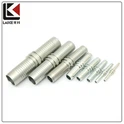
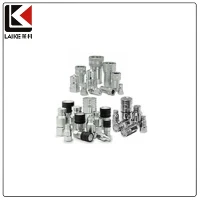
First off, what are fast connectors? Fast connectors, also known as quick - connect couplings, are essential components in various industries. They're used to quickly and easily connect and disconnect fluid or gas lines. You can check out more about different types at Hydraulic Coupling Types. They come in handy in applications like hydraulic systems, pneumatic systems, and even in some chemical transfer setups.
Now, corrosion. Corrosion is basically the deterioration of a material due to chemical reactions with its environment. In the case of fast connectors, the environment can be anything from water and humidity to harsh chemicals. It's a big deal because corrosion can weaken the connectors, lead to leaks, and ultimately cause the whole system to fail.
So, are fast connectors resistant to corrosion? The answer isn't a simple yes or no. It depends on a few factors.
Material Matters
The material of the fast connector plays a huge role in its corrosion resistance. Common materials used for fast connectors include steel, stainless steel, brass, and plastic.
- Steel: Steel fast connectors are strong and relatively inexpensive. However, they're quite prone to corrosion, especially in wet or humid environments. If steel isn't properly protected, it'll start to rust pretty quickly. Rust not only weakens the connector but can also clog the fluid or gas passages.
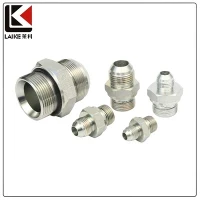
- Stainless Steel: Stainless steel is a much better option when it comes to corrosion resistance. It contains chromium, which forms a thin, protective oxide layer on the surface. This layer prevents oxygen and moisture from reaching the underlying metal, thus protecting it from rust. Stainless steel fast connectors are great for applications where they'll be exposed to water, chemicals, or high - humidity environments. You can find a wide range of Hydraulic Quick Couplers made from stainless steel.
- Brass: Brass is another popular choice. It has good corrosion resistance, especially in non - acidic environments. Brass contains copper, which gives it a natural resistance to corrosion. However, in the presence of certain chemicals or high - sulfur environments, brass can corrode.
- Plastic: Plastic fast connectors are lightweight and often resistant to many chemicals. They're a great option for applications where corrosion from chemicals is a concern. But they may not be as strong as metal connectors and can be damaged by high temperatures or physical impact.
Surface Treatments
Even if a fast connector is made from a corrosion - resistant material, surface treatments can further enhance its protection.
- Galvanizing: Galvanizing is a process where a layer of zinc is applied to the surface of a metal connector. Zinc acts as a sacrificial anode, meaning it corrodes before the underlying metal. This can significantly extend the life of a steel fast connector in a corrosive environment.
- Coatings: There are various types of coatings available, such as epoxy coatings or powder coatings. These coatings create a barrier between the metal and the environment, preventing corrosion. They can also provide additional benefits like improved wear resistance.
Environmental Factors
The environment in which the fast connector operates is a major factor in its corrosion resistance.
- Humidity: High humidity levels can increase the risk of corrosion, especially for metal connectors. Moisture in the air can react with the metal, leading to the formation of rust or other corrosion products. In coastal areas, where the air is both humid and salty, the corrosion risk is even higher.
- Chemicals: Exposure to chemicals can also cause corrosion. Different chemicals have different effects on different materials. For example, acids can corrode most metals, while some solvents can damage plastic connectors. In industrial settings where chemicals are used, it's crucial to choose the right fast connector material.
- Temperature: Extreme temperatures can also affect corrosion. High temperatures can accelerate chemical reactions, while low temperatures can cause moisture to condense on the connector surface, increasing the risk of corrosion.
Testing and Standards
To ensure the corrosion resistance of fast connectors, manufacturers often conduct various tests. These tests simulate different environmental conditions to see how the connectors hold up.
There are also industry standards for corrosion resistance. For example, in the hydraulic industry, connectors may need to meet certain standards set by organizations like ISO (International Organization for Standardization). Meeting these standards gives customers confidence that the fast connectors they're buying will perform well in corrosive environments. You can learn more about the technical aspects of Hydraulic Quick Connect Couplings.
Our Approach as a Supplier
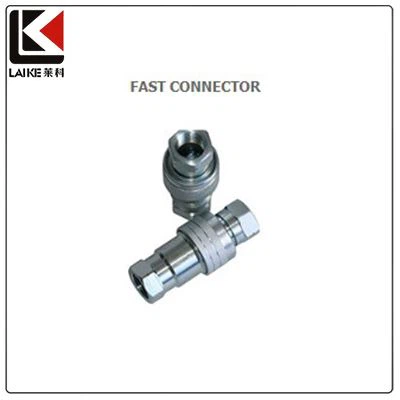
As a fast connector supplier, we take corrosion resistance very seriously. We offer a wide range of fast connectors made from different materials to suit various applications. Our stainless - steel connectors are made from high - quality stainless steel grades to ensure maximum corrosion resistance.

We also work closely with our customers to understand their specific needs. If a customer is operating in a highly corrosive environment, we can recommend the best material and surface treatment for their fast connectors. And we're always on the lookout for new technologies and materials that can further improve the corrosion resistance of our products.
Conclusion
So, to answer the question "Are fast connectors resistant to corrosion?", it depends on the material, surface treatments, and the operating environment. With the right choices, fast connectors can be highly resistant to corrosion and provide long - lasting performance.
If you're in the market for fast connectors and have concerns about corrosion, don't hesitate to reach out. We're here to help you find the perfect solution for your needs. Whether you need a small quantity for a DIY project or a large order for an industrial application, we've got you covered. Contact us to start the procurement process and let's discuss how our fast connectors can meet your requirements.
References
- ASM Handbook Volume 13A: Corrosion: Fundamentals, Testing, and Protection
- ISO Standards for Hydraulic Components
- Material Science and Engineering textbooks for information on corrosion mechanisms