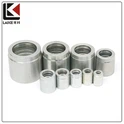
Hey there! If you're in the world of hydraulics, chances are you've come across a damaged BSPT Adapter at some point. I'm a supplier of BSPT Adapters, and I've seen it all. In this blog, I'll walk you through how to replace a damaged BSPT Adapter, step by step.
Understanding BSPT Adapters
First off, let's quickly talk about what BSPT Adapters are. BSPT stands for British Standard Pipe Tapered. These adapters are used in hydraulic systems to connect different components, like pipes, hoses, and valves. They have a tapered thread, which creates a tight seal when properly installed.
There are various types of BSPT Adapters, and they come in different sizes and configurations to fit different applications. For instance, you might need an adapter to connect a BSPT thread to a different type of thread, like JIC. If that's the case, you can check out our JIC To BSP Adapter options.
Signs of a Damaged BSPT Adapter
Before you can replace a BSPT Adapter, you need to know if it's actually damaged. Here are some common signs:
- Leakage: This is probably the most obvious sign. If you notice hydraulic fluid leaking from the connection point where the adapter is installed, it could be a sign that the adapter is damaged. The tapered thread might be worn out, or there could be a crack in the adapter body.
- Difficulty in Installation or Removal: If you're having a hard time screwing the adapter in or taking it out, it could mean that the threads are damaged. This could be due to over-tightening, corrosion, or debris getting into the threads.
- Visible Damage: Sometimes, you can see the damage with your own eyes. Look for cracks, chips, or signs of excessive wear on the adapter. If the adapter looks like it's been through a lot, it's probably time to replace it.
Tools You'll Need
Once you've determined that your BSPT Adapter is damaged, it's time to gather the tools you'll need for the replacement. Here's a list of the basic tools:
- Wrenches: You'll need the right size wrenches to loosen and tighten the adapter. Make sure you have both an open-end wrench and a socket wrench, as different applications might require different types.
- Sealant: To ensure a proper seal, you'll need a good quality thread sealant. This will help prevent leaks and keep your hydraulic system running smoothly.
- Cleaning Supplies: Before installing the new adapter, you'll need to clean the connection points. You can use a rag and some hydraulic fluid or a specialized cleaning solution to remove any dirt, debris, or old sealant.
Step-by-Step Replacement Process
Now that you have your tools ready, let's get into the actual replacement process.
Step 1: Shut Down the System
Safety first! Before you start working on the hydraulic system, make sure you shut it down completely. This will prevent any accidents and ensure that you're not working with pressurized fluid.
Step 2: Release the Pressure
Even after shutting down the system, there might still be some pressure in the lines. You need to release this pressure to avoid any fluid spraying when you remove the adapter. Look for a pressure relief valve or a bleed screw and follow the manufacturer's instructions to release the pressure.
Step 3: Remove the Damaged Adapter
Using your wrenches, carefully loosen the damaged adapter. Turn the wrench counterclockwise to unscrew the adapter. Be gentle, especially if the adapter is stuck. If you're having trouble, you can try using a little bit of penetrating oil to help loosen the threads.
Once the adapter is loose, you can remove it by hand. Make sure you keep track of any washers or other small parts that might come off with the adapter.
Step 4: Clean the Connection Points
Take your cleaning supplies and clean the connection points on the pipes or components where the adapter was installed. Remove any dirt, debris, or old sealant. This will ensure a proper seal when you install the new adapter.
Step 5: Apply Sealant
Apply a thin layer of thread sealant to the threads of the new adapter. Make sure you cover all the threads, but don't use too much. Too much sealant can cause the threads to bind and make it difficult to install the adapter.
Step 6: Install the New Adapter
Carefully screw the new adapter into the connection point. Turn the adapter clockwise by hand until it's finger-tight. Then, use your wrenches to tighten the adapter further. Make sure you don't over-tighten the adapter, as this can damage the threads.
Step 7: Check for Leaks
Once the new adapter is installed, turn on the hydraulic system and check for any leaks. If you see any leaks, you might need to tighten the adapter a little more or apply some additional sealant.
Other Related Hydraulic Components
While you're working on your hydraulic system, you might also want to consider other related components. For example, if you need to protect your hydraulic connections when they're not in use, you can check out our Hydraulic Plugs and Caps. These are great for preventing dirt and debris from getting into your system.


And if you're looking for a different type of adapter, like a flange adapter, we have Hydraulic Flange Adapters that might fit your needs.
Conclusion
Replacing a damaged BSPT Adapter might seem like a daunting task, but with the right tools and a little bit of know-how, it's definitely doable. By following the steps outlined in this blog, you can ensure that your hydraulic system is running smoothly and efficiently.
If you're in the market for BSPT Adapters or any other hydraulic components, I'd love to help you out. We offer a wide range of high-quality products at competitive prices. Whether you're a small business or a large industrial operation, we can provide you with the right solutions for your needs.
So, if you have any questions or if you're ready to make a purchase, don't hesitate to reach out. We're here to make your hydraulic system better!
References
- Hydraulic Systems Handbook
- British Standard Pipe Tapered (BSPT) Thread Standards