Are JIC To BSP Adapters reusable?
As a supplier of JIC to BSP adapters, I often get asked the question: Are JIC to BSP adapters reusable? This is a crucial query for many in the industry, as reusability can significantly impact cost - effectiveness and operational efficiency. In this blog, we'll delve into the factors that determine the reusability of these adapters, exploring both the technical and practical aspects.
Understanding JIC and BSP Adapters
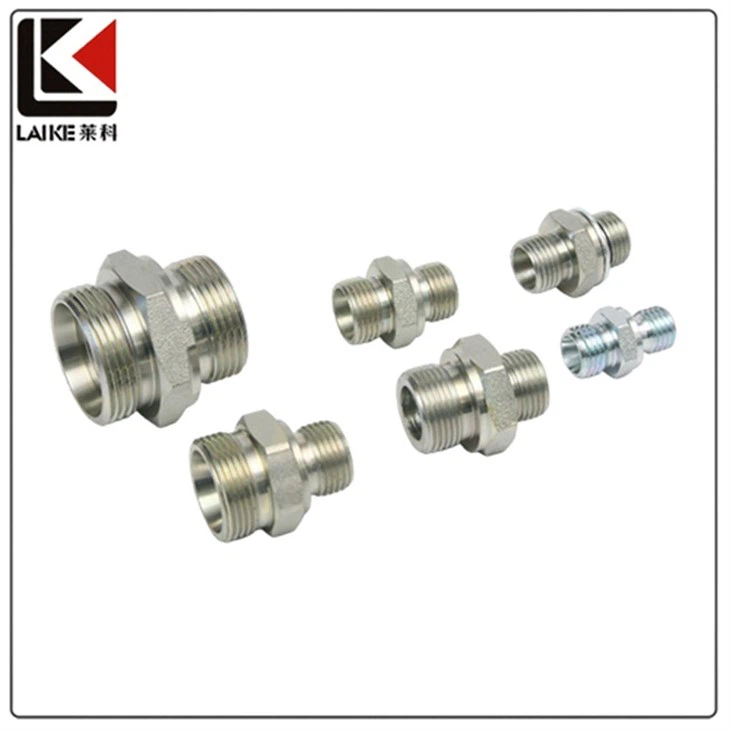
Before we discuss reusability, let's briefly understand what JIC and BSP adapters are. JIC (Joint Industry Council) fittings are a type of flare fitting commonly used in hydraulic systems in North America. They are known for their 37 - degree flare design, which provides a reliable seal in high - pressure applications. On the other hand, BSP (British Standard Pipe) fittings are used widely in Europe and other parts of the world. There are two main types of BSP fittings: BSPP (British Standard Pipe Parallel) and BSPT (British Standard Pipe Taper). BSPP fittings rely on a gasket or O - ring for sealing, while BSPT fittings create a seal through the thread interference.
JIC to BSP adapters are used to connect hydraulic components with different fitting standards. For example, when you have a JIC - equipped hydraulic pump that needs to be connected to a BSP - threaded hose or valve, a JIC to BSP adapter bridges the gap. These adapters are essential in international trade and in systems that incorporate components from different regions.
Factors Affecting Reusability
1. Seal Integrity
The most critical factor in determining the reusability of JIC to BSP adapters is the integrity of the seal. In JIC fittings, the 37 - degree flare creates a metal - to - metal seal. When the adapter is tightened, the flare on the JIC side presses against the mating surface, creating a tight seal. However, each time the adapter is removed and reinstalled, there is a risk of damaging the flare. Minor scratches or deformations on the flare can compromise the seal, leading to leaks.
In BSP fittings, the situation is a bit different. BSPP fittings use gaskets or O - rings, which are consumable items. When removing a BSPP - connected adapter, the gasket or O - ring may need to be replaced. For BSPT fittings, the thread interference creates the seal. Repeated installation and removal can wear down the threads, reducing the effectiveness of the seal.
2. Thread Condition
The condition of the threads on both the JIC and BSP sides of the adapter is also crucial. Threads can be damaged during installation or removal, especially if the wrong tools are used or if the adapter is over - tightened. Stripped or damaged threads can prevent the adapter from being properly tightened, leading to leaks. Additionally, dirt and debris can accumulate in the threads, which can also affect the seal and the overall performance of the adapter.
3. Material Compatibility
The materials used in the JIC to BSP adapter and the mating components can also impact reusability. Different materials have different levels of hardness and corrosion resistance. If the adapter and the mating components are made of incompatible materials, there can be galvanic corrosion, which can damage the threads and the seal surfaces over time. For example, if a steel adapter is used with an aluminum component, the aluminum may corrode more quickly, especially in a moist or corrosive environment.

4. Application Conditions
The operating conditions of the hydraulic system also play a role in the reusability of JIC to BSP adapters. High - pressure applications put more stress on the adapter and the seal. If the adapter has been used in a high - pressure system, the metal may have undergone some deformation, which can affect its reusability. Similarly, extreme temperatures, vibrations, and exposure to chemicals can all have an impact on the adapter's performance and reusability.
Assessing Reusability
To determine if a JIC to BSP adapter is reusable, a thorough inspection is necessary. Here's a step - by - step guide:
1. Visual Inspection
First, visually inspect the adapter for any signs of damage. Check the JIC flare for scratches, dents, or deformations. On the BSP side, examine the threads for signs of wear, stripping, or corrosion. Look for any signs of leakage, such as oil stains or residue around the adapter.
2. Seal Inspection
If the adapter uses a gasket or O - ring, check its condition. A worn or damaged gasket or O - ring should be replaced before reinstallation. For metal - to - metal seals, look for any signs of galling or excessive wear on the sealing surfaces.
3. Thread Inspection
Use a thread gauge to check the pitch and the condition of the threads. If the threads are damaged beyond repair, the adapter may not be reusable. You can also try to thread the adapter onto a mating component by hand. If it doesn't thread smoothly or if it feels loose or tight in an abnormal way, there may be a problem with the threads.
Best Practices for Reusing JIC to BSP Adapters
If you determine that a JIC to BSP adapter is reusable, here are some best practices to follow:
1. Cleanliness
Before reinstalling the adapter, clean both the adapter and the mating components thoroughly. Remove any dirt, debris, or old sealant from the threads and the sealing surfaces. Use a suitable cleaning agent and a clean cloth or brush.
2. Proper Torque
Use a torque wrench to tighten the adapter to the recommended torque specification. Over - tightening can damage the threads and the seal, while under - tightening can lead to leaks. Refer to the manufacturer's guidelines for the correct torque values.
3. Seal Replacement
If the adapter uses a gasket or O - ring, always replace it with a new one. This ensures a proper seal and reduces the risk of leaks.
Practical Applications and Considerations
In many industrial applications, reusing JIC to BSP adapters can save costs. For example, in a maintenance situation where you need to replace a hydraulic component, reusing the existing adapter can be a cost - effective solution. However, in critical applications, such as aerospace or high - precision hydraulic systems, the risk of using a reused adapter may be too high. In these cases, it's often recommended to use new adapters to ensure maximum reliability and safety.
When considering reusing JIC to BSP adapters, it's also important to keep in mind the availability of replacement parts. If the adapter is a custom - made or hard - to - find part, reusing it may be the only option. However, if replacement adapters are readily available at a reasonable cost, it may be more practical to use new ones.
Conclusion
In conclusion, JIC to BSP adapters can be reusable, but it depends on several factors. Seal integrity, thread condition, material compatibility, and application conditions all play a role in determining whether an adapter can be safely reused. By following the best practices for inspection, cleaning, and installation, you can increase the chances of successfully reusing these adapters.
If you're in the market for high - quality JIC to BSP adapters or need more information about their reusability, feel free to contact us. We are a leading supplier of Tube Fitting, American Adapter, and SAE Flange Adapter. Our team of experts can provide you with the right products and advice for your hydraulic system needs. Whether you're looking for new adapters or need help with reusing existing ones, we're here to assist you. Contact us today to start a discussion about your requirements and explore the best solutions for your hydraulic applications.
References
- Hydraulic Fitting Handbook, Parker Hannifin Corporation
- British Standard Pipe Threads: A Technical Guide, BSI Group
- JIC Fitting Standards and Applications, Hydraulics & Pneumatics Magazine