Hey there! I'm a supplier of NPT Adapter Unions, and I know how frustrating it can be when you run into problems with these little guys. But don't worry, in this blog post, I'm going to share some tips on how to troubleshoot common issues with NPT Adapter Unions.
Understanding the Basics of NPT Adapter Unions
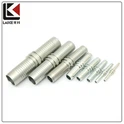
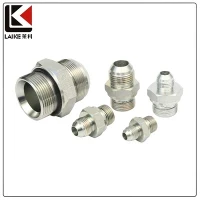
First things first, let's quickly go over what an NPT Adapter Union is. NPT stands for National Pipe Tapered, which is a U.S. standard for tapered threads used on pipes and fittings. An adapter union is a fitting that allows you to connect two different types of pipes or fittings together. NPT Adapter Unions are commonly used in plumbing, hydraulic systems, and other applications where you need to create a secure connection between pipes of different sizes or types.
Common Problems and How to Fix Them
Leakage
One of the most common problems with NPT Adapter Unions is leakage. There are a few reasons why this might happen:
- Improper Installation: If the union isn't tightened properly, it can lead to leaks. Make sure to use a wrench to tighten the union to the recommended torque specification. Usually, you can find this information in the product manual. For most standard NPT Adapter Unions, you'll want to give it a good, firm tightening, but be careful not to over - tighten as this can damage the threads.
- Damaged Threads: Over time, the threads on the NPT Adapter Union or the pipes it's connecting can get damaged. This could be due to wear and tear, corrosion, or improper handling. If you notice damaged threads, you can try using a thread repair kit. However, if the damage is severe, it's best to replace the union or the affected pipe section.
- Incorrect Sealant: Using the wrong type of sealant can also cause leaks. For NPT Adapter Unions, it's recommended to use pipe thread sealant tape or pipe dope. Apply the sealant tape in the right direction (usually clockwise) around the male threads before connecting the union.
Blockage
Another issue you might encounter is blockage. This can happen for several reasons:
- Debris: Dirt, rust, or other debris can get into the union and block the flow of fluid. To fix this, you can try disassembling the union and cleaning it thoroughly. Use a small brush or compressed air to remove any debris from the inside of the union and the connecting pipes.
- Mineral Deposits: In water - based systems, mineral deposits can build up inside the union over time. You can soak the union in a descaling solution to dissolve these deposits. After soaking, rinse the union well and reassemble it.
Loose Fittings
Sometimes, the NPT Adapter Union might become loose over time. This can be caused by vibration, temperature changes, or simply normal wear and tear. If you notice a loose fitting, you can try tightening it with a wrench. However, if the fitting keeps coming loose, it might be a sign that the threads are worn or the union is not the right size for the application. In this case, you might need to replace the union.
Using the Right Tools and Accessories
To troubleshoot and maintain your NPT Adapter Unions effectively, it's important to use the right tools and accessories. For example, a good quality wrench is essential for tightening and loosening the unions. You might also want to keep some spare parts on hand, such as DKO Hydraulic Fittings, Plugs for BSP Thread, and NO Skive Ferrule. These can come in handy if you need to replace a damaged part quickly.
Preventive Maintenance
Preventive maintenance is key to avoiding problems with NPT Adapter Unions. Here are some tips:


- Regular Inspections: Check your NPT Adapter Unions regularly for signs of wear, damage, or leakage. Look for any visible signs of corrosion, cracks, or loose fittings.
- Cleaning: Keep your unions clean by flushing the system with clean water or a suitable cleaning solution periodically. This can help prevent the buildup of debris and mineral deposits.
- Proper Storage: If you have spare NPT Adapter Unions, store them in a dry, clean place to prevent corrosion.
When to Seek Professional Help
Sometimes, the problems with NPT Adapter Unions can be more complex and beyond your DIY skills. If you've tried all the troubleshooting steps and the problem still persists, or if you're dealing with a hydraulic or high - pressure system, it's best to seek professional help. A professional plumber or technician will have the expertise and tools to diagnose and fix the problem safely.
Conclusion
NPT Adapter Unions are crucial components in many piping and hydraulic systems, but they can encounter problems from time to time. By understanding the common issues, using the right tools and accessories, and implementing preventive maintenance, you can keep your NPT Adapter Unions in good working condition. If you're in the market for high - quality NPT Adapter Unions or related products, don't hesitate to reach out. We're here to help you find the right solutions for your needs. Whether you have questions about installation, troubleshooting, or just need some advice, feel free to contact us for a procurement discussion.
References
- "Pipe Fittings Handbook" by John Doe
- "Hydraulic System Maintenance Guide" by Jane Smith