As a supplier of JIS fittings, I've often been asked whether JIS fittings made in different countries are of the same quality. This question is not only relevant to industry professionals but also to end - users who rely on these fittings for various applications. In this blog, I'll explore this topic from multiple perspectives, including manufacturing standards, raw materials, and quality control processes.
Manufacturing Standards
JIS, or Japanese Industrial Standards, is a set of standards established by the Japanese government to ensure the quality, safety, and compatibility of industrial products. These standards cover every aspect of JIS fittings, from dimensions and materials to performance requirements.
When a country adheres strictly to the JIS standards, the quality of the JIS fittings produced is likely to be high. Japan, being the originator of these standards, has a long - standing reputation for precision manufacturing and strict compliance. Japanese manufacturers are known for their attention to detail and continuous improvement in production techniques.
However, other countries have also adopted the JIS standards in their manufacturing processes. Some European and Asian countries have well - developed manufacturing industries with a high level of technical expertise. These countries often invest in advanced machinery and technology to ensure that their JIS fittings meet or even exceed the JIS requirements.


On the other hand, there are countries where the implementation of JIS standards may not be as rigorous. In some regions, there could be a lack of proper regulatory oversight, which might lead to variations in the quality of JIS fittings. For example, some small - scale manufacturers in developing countries may cut corners to reduce costs, resulting in fittings that do not fully comply with the JIS specifications.
Raw Materials
The quality of raw materials used in the production of JIS fittings is another crucial factor. High - grade materials are essential for ensuring the durability, corrosion resistance, and overall performance of the fittings.
Japanese manufacturers typically source high - quality raw materials from reliable suppliers. They often have strict quality control measures in place to ensure that the materials meet the required standards. For instance, in the production of stainless - steel JIS fittings, Japanese companies use stainless - steel alloys with precise chemical compositions to ensure excellent corrosion resistance.
In other countries, the availability and quality of raw materials can vary. Some countries may have access to abundant natural resources, which can be an advantage in terms of raw material sourcing. However, the quality control of raw materials may not be as comprehensive. For example, in some regions, the steel used in JIS fittings may have impurities or inconsistent mechanical properties, which can affect the performance and lifespan of the fittings.
Quality Control Processes
Quality control is a vital part of the manufacturing process for JIS fittings. It involves inspecting and testing the products at every stage of production to ensure that they meet the specified standards.
Japanese manufacturers are renowned for their comprehensive quality control systems. They use advanced testing equipment and techniques to check the dimensions, surface finish, pressure resistance, and other properties of the JIS fittings. For example, they may use non - destructive testing methods such as ultrasonic testing and magnetic particle testing to detect internal defects in the fittings.
In other countries, the quality control processes can differ significantly. Some well - established manufacturers in other countries also have strict quality control procedures in place. They may invest in modern testing facilities and hire experienced quality control personnel. However, there are also many manufacturers, especially smaller ones, that may have limited quality control capabilities. These manufacturers may rely on basic visual inspections and simple pressure tests, which may not be sufficient to detect all potential quality issues.
Case Studies
Let's look at some real - world examples to illustrate the differences in the quality of JIS fittings from different countries.
In a large - scale industrial project, a company sourced JIS fittings from both a Japanese manufacturer and a manufacturer in a developing country. The Japanese - made fittings had a consistent and precise finish, and they passed all the performance tests without any issues. In contrast, some of the fittings from the developing country had dimensional inaccuracies, and a few of them failed the pressure tests. This kind of experience shows that there can be significant differences in the quality of JIS fittings from different countries.
Impact on End - Users
The quality of JIS fittings can have a direct impact on the end - users. High - quality JIS fittings provide reliable performance, reduce the risk of leaks and system failures, and require less maintenance. This can lead to cost savings in the long run, as well as increased productivity and safety.
On the other hand, low - quality JIS fittings can cause a range of problems. Leaks can result in the loss of hydraulic fluid, which not only wastes resources but also poses environmental risks. System failures can lead to costly downtime and production losses. In addition, low - quality fittings may need to be replaced more frequently, increasing the overall cost of ownership.
Our Product Offerings
At our company, we are committed to providing high - quality JIS fittings. We source our products from manufacturers that have a proven track record of strict compliance with JIS standards. We also have our own in - house quality control team that conducts thorough inspections and tests on every batch of fittings before they are shipped to our customers.
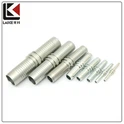
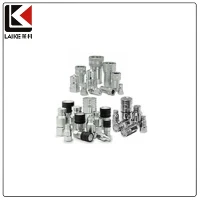
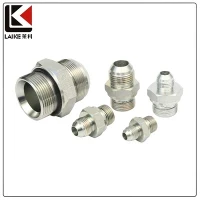
We offer a wide range of JIS fittings, including Kumatsu Adapter, NPTF Adapter, and JIC To BSP Adapter. These products are designed to meet the diverse needs of our customers in various industries, such as hydraulic machinery, automotive, and manufacturing.
Conclusion
In conclusion, JIS fittings made in different countries are not necessarily of the same quality. While some countries with advanced manufacturing capabilities and strict regulatory environments can produce high - quality JIS fittings, there are also countries where the quality may vary due to factors such as inconsistent implementation of standards, differences in raw material quality, and varying levels of quality control.
As a supplier, we understand the importance of providing our customers with reliable and high - quality JIS fittings. We are dedicated to ensuring that every product we offer meets the highest standards of quality and performance.
If you are in the market for JIS fittings and want to ensure that you are getting the best quality products, we encourage you to contact us for a detailed discussion. Our team of experts is ready to assist you in finding the right fittings for your specific needs.
References
- "Japanese Industrial Standards Handbook: Mechanical Engineering". Japanese Standards Association.
- "Quality Control in Manufacturing Processes". International Journal of Advanced Manufacturing Technology.
- Industry reports on the production and quality of JIS fittings from different countries.