Hey there! As a supplier of FJX Fittings, I often get asked if these fittings require regular inspections. Well, let me tell you, the answer is a resounding yes! In this blog, I'll explain why regular inspections are crucial for FJX Fittings and how they can save you a lot of headaches in the long run.
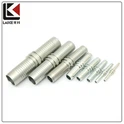
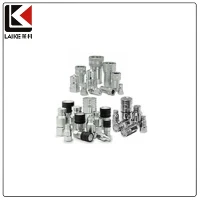
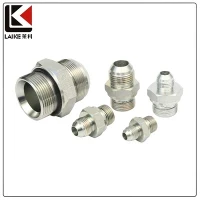
First off, what are FJX Fittings? FJX Fittings are a type of hydraulic fitting that are used in a wide range of applications, from industrial machinery to automotive systems. They are designed to connect hoses and pipes, ensuring a secure and leak-free connection. These fittings come in various shapes and sizes, and they are made from high-quality materials to withstand the rigors of different environments.
Now, let's talk about why regular inspections are so important. One of the main reasons is safety. Hydraulic systems operate under high pressure, and any failure in the fittings can lead to serious accidents. A small leak or a loose connection can cause hydraulic fluid to spray out, which not only poses a risk to the operators but can also damage the surrounding equipment. By conducting regular inspections, you can identify any potential issues before they turn into major problems.
Another reason for regular inspections is to ensure the efficiency of the hydraulic system. Over time, FJX Fittings can wear out due to factors such as vibration, temperature changes, and chemical exposure. When the fittings are worn, they may not provide a proper seal, which can result in a loss of pressure and reduced performance. By inspecting the fittings regularly, you can detect any signs of wear and replace them as needed, keeping your hydraulic system running smoothly.
So, how often should you inspect your FJX Fittings? Well, it depends on several factors, such as the type of application, the operating conditions, and the manufacturer's recommendations. In general, it's a good idea to inspect the fittings at least once a month for high-pressure systems and every three months for low-pressure systems. However, if you notice any signs of leakage, damage, or abnormal operation, you should inspect the fittings immediately.
During the inspection, you should check several things. First, look for any signs of leakage around the fittings. This can be indicated by wet spots, oil stains, or a hissing sound. If you find any leaks, you should tighten the fittings or replace them if necessary. Next, check the condition of the fittings themselves. Look for any cracks, dents, or corrosion. These can weaken the fittings and make them more prone to failure. Also, make sure that the fittings are properly installed and tightened to the correct torque.
In addition to visual inspections, you may also want to perform some functional tests. For example, you can check the pressure in the hydraulic system to ensure that it is within the normal range. You can also test the flow rate of the hydraulic fluid to make sure that it is flowing smoothly. These tests can help you identify any hidden problems that may not be visible during a visual inspection.
Now, let's talk about some of the common problems that you may encounter with FJX Fittings. One of the most common problems is leakage. This can be caused by a variety of factors, such as improper installation, worn seals, or damaged fittings. To prevent leakage, make sure that the fittings are installed correctly and that the seals are in good condition. You may also want to use a sealant to ensure a tight seal.
Another common problem is corrosion. FJX Fittings are often exposed to harsh environments, such as high humidity, saltwater, or chemicals. Over time, these elements can cause the fittings to corrode, which can weaken them and lead to failure. To prevent corrosion, you can use corrosion-resistant materials or apply a protective coating to the fittings.
Finally, let's talk about some of the benefits of using high-quality FJX Fittings. High-quality fittings are made from durable materials that can withstand the rigors of different environments. They are also designed to provide a secure and leak-free connection, which can improve the efficiency and reliability of your hydraulic system. In addition, high-quality fittings are less likely to fail, which can save you time and money on repairs and replacements.
In conclusion, regular inspections of FJX Fittings are essential for ensuring the safety and efficiency of your hydraulic system. By inspecting the fittings regularly, you can identify any potential issues before they turn into major problems. If you have any questions or need more information about FJX Fittings or hydraulic systems in general, feel free to [contact us for a purchase discussion]. We're here to help you find the right solutions for your needs.
If you're interested in learning more about different types of hydraulic fittings, you can check out these links: Hydraulic Connectors, Interlock Ferrule, and ORING Hydraulic Fittings.


References:
- Industry standards and guidelines for hydraulic fittings
- Manufacturer's specifications for FJX Fittings