Hey there! As a supplier of British adapters, I often get asked a bunch of questions about their compatibility with different appliances. One question that pops up quite a bit is, "Can a British adapter be used with straighteners?" Well, let's dive right into it and find out.
First off, let's talk a bit about what a British adapter is. A British adapter, also known as a UK plug adapter, is designed to fit into British electrical sockets. These sockets have three rectangular pins in a triangular pattern. The adapter is used when you have an appliance with a different plug type and you want to use it in a British electrical system.
Now, when it comes to straighteners, they come in all shapes and sizes, and they also have different plug types depending on where they're made. In most cases, straighteners from different countries are designed to work with the electrical systems of their respective regions. For example, a straightener made in the United States will usually have a two - pronged plug, while one from Europe might have a two - round - pin plug.
So, can you use a British adapter with a straightener? The short answer is, it depends. There are a few factors you need to consider.
Voltage Compatibility
The most important factor is voltage. The UK operates on a mains voltage of around 230V, with a frequency of 50Hz. Straighteners from different countries are designed to work with different voltages. For instance, in the United States, the standard voltage is 120V, and in Japan, it's 100V.
If you try to use a straightener that's designed for a lower voltage (like 120V) with a British adapter in a 230V socket, you're likely to damage the straightener. The excess voltage can cause the heating elements in the straightener to overheat, which might lead to a fire hazard or simply burn out the straightener. On the other hand, if you have a straightener that's designed for a higher voltage and you use it in a lower - voltage system, it might not heat up properly.
Some modern straighteners are dual - voltage, which means they can work with both 110 - 120V and 220 - 240V. These are great if you're traveling or if you want to use them in different electrical systems. If you have a dual - voltage straightener, then using a British adapter should be fine as long as the plug fits into the adapter.

Plug Type
Another thing to consider is the plug type of the straightener. As I mentioned earlier, different countries have different plug designs. A British adapter is designed to accept plugs from other countries and convert them to fit into a British socket. Most British adapters can accommodate a variety of plug types, but it's still a good idea to check.
If the plug of your straightener is too big or has a strange shape that doesn't fit into the adapter, then obviously you won't be able to use it. In some cases, you might need to use a different type of adapter or even get a new plug for your straightener.
Amperage
Amperage is also an important consideration. The amperage rating of an appliance tells you how much current it draws. Straighteners typically draw a fair amount of current because they have heating elements. You need to make sure that the British adapter you're using can handle the amperage of the straightener.
If the adapter has a lower amperage rating than the straightener, it could overheat and cause a fire. So, always check the amperage ratings of both the straightener and the adapter before using them together.
Our British Adapters
As a supplier of British adapters, I can tell you that our adapters are of high quality. They're designed to be safe and reliable, and they can handle a wide range of plug types. We also have adapters that are specifically designed for high - amperage appliances, so if you have a powerful straightener, we've got you covered.
In addition to our British adapters, we also offer a range of other hydraulic adapters. For example, we have Jis Fittings which are great for hydraulic systems. These fittings are designed to provide a secure and leak - free connection.
We also have JIC To JIC Adapter. These adapters are used to connect two JIC (Joint Industry Council) fittings together. They're very useful in hydraulic applications where you need to make a connection between different components.
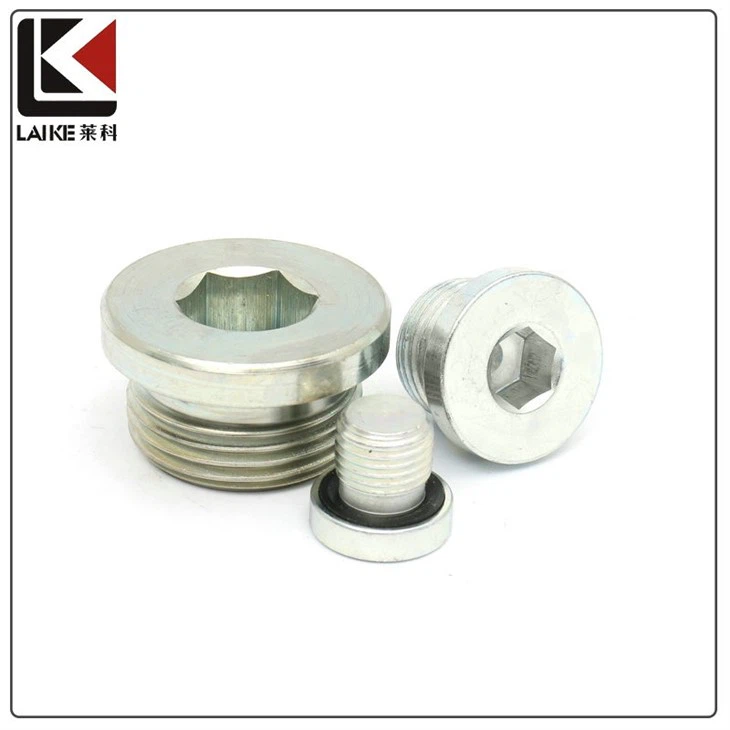
And if you're looking for something to seal off hydraulic ports, our Hydraulic Plugs are the way to go. They're made from high - quality materials and are designed to provide a tight seal.
Making the Right Choice
So, if you're thinking about using a British adapter with your straightener, here's what you should do. First, check the voltage, amperage, and plug type of your straightener. If it's a dual - voltage straightener and the plug fits into the adapter, then you're good to go.
If you're not sure, it's always a good idea to consult the manufacturer of the straightener or a qualified electrician. They can give you more accurate advice based on the specific model of your straightener.
If you're in the market for a British adapter or any of our other hydraulic adapters, don't hesitate to reach out. We're here to help you make the right choice and ensure that you get a safe and reliable product. Whether you're a professional in the hydraulic industry or just someone looking to use a straightener in a different electrical system, we've got the solutions for you.
Conclusion
In conclusion, using a British adapter with a straightener is possible, but it requires careful consideration of voltage, plug type, and amperage. Our high - quality British adapters can make the process easier and safer. And if you're interested in our other hydraulic adapter products like Jis Fittings, JIC To JIC Adapter, or Hydraulic Plugs, we're here to assist you.
If you have any questions or want to discuss your specific needs, feel free to contact us. We're always happy to have a chat and help you find the right products for your requirements.
References
- Electrical Safety Council. "Understanding Voltage and Plug Types."
- Appliance Manufacturer Guides for Straighteners.