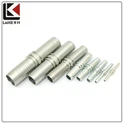
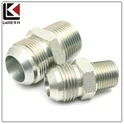
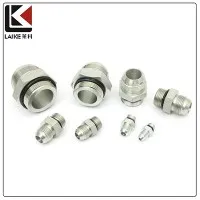
Can a JIC To BSP Adapter be used in automotive applications?
As a supplier of JIC to BSP adapters, I often get asked whether these adapters can be used in automotive applications. This is a crucial question considering the high - stakes nature of automotive systems where reliability and safety are of utmost importance. In this blog, I'll delve into the technical aspects, advantages, limitations, and real - world applications to help you understand if a JIC to BSP adapter is a suitable choice for your automotive needs.
Understanding JIC and BSP Fittings
Before we discuss their use in automotive applications, let's briefly understand what JIC and BSP fittings are. JIC (Joint Industry Council) fittings are a type of flare fitting commonly used in hydraulic systems in North America. They have a 37 - degree flare seat, which provides a reliable seal under high - pressure conditions. These fittings are known for their durability and resistance to vibration, making them popular in various industrial applications.
On the other hand, BSP (British Standard Pipe) fittings are widely used in Europe and other parts of the world. There are two main types of BSP fittings: BSPP (British Standard Pipe Parallel) and BSPT (British Standard Pipe Tapered). BSPP fittings have parallel threads and rely on a gasket or O - ring for sealing, while BSPT fittings have tapered threads that create a seal by the interference of the threads themselves.
Technical Compatibility in Automotive Applications
In automotive applications, hydraulic systems are used for a variety of functions, such as power steering, braking, and suspension. These systems operate under different pressures, temperatures, and vibration levels.
The first consideration when using a JIC to BSP adapter in automotive applications is the pressure rating. Automotive hydraulic systems can operate at relatively high pressures, especially in braking systems. JIC fittings are designed to handle high - pressure applications, with some models capable of withstanding pressures up to 10,000 psi. BSP fittings also have their own pressure ratings, which vary depending on the type and size of the fitting. When selecting a JIC to BSP adapter, it's essential to ensure that the adapter's pressure rating is compatible with the automotive system's operating pressure.
Another important factor is the sealing performance. In automotive applications, a leak - free seal is critical to prevent fluid loss, which can lead to system failure and safety hazards. JIC fittings provide a reliable metal - to - metal seal through their 37 - degree flare design. BSPP fittings rely on gaskets or O - rings, while BSPT fittings seal through thread interference. A well - designed JIC to BSP adapter should be able to maintain a proper seal in the automotive environment, taking into account factors such as temperature variations and vibration.
Advantages of Using JIC to BSP Adapters in Automotive Applications
One of the main advantages of using JIC to BSP adapters in automotive applications is flexibility. In a globalized automotive market, vehicles may be assembled using components from different regions. For example, an automotive manufacturer may source a hydraulic pump with JIC fittings from a North American supplier and a valve with BSP fittings from a European supplier. A JIC to BSP adapter allows these components to be connected seamlessly, eliminating the need for costly modifications to the components.
Another advantage is cost - effectiveness. Instead of replacing an entire hydraulic system or component to match the fitting type, using a JIC to BSP adapter can be a more economical solution. This is particularly beneficial for aftermarket repairs and upgrades, where customers may want to use components with different fitting standards.
Limitations and Challenges
However, there are also some limitations and challenges associated with using JIC to BSP adapters in automotive applications. One of the main challenges is ensuring proper installation. Incorrect installation of the adapter can lead to leaks, which can compromise the performance and safety of the automotive system. It's important to follow the manufacturer's installation instructions carefully, including torque specifications and the use of appropriate sealing materials.
Compatibility issues can also arise due to differences in thread sizes and pitches between JIC and BSP fittings. A mismatch in thread sizes can prevent the adapter from fitting properly, leading to a poor seal. Additionally, the materials used in the adapter must be compatible with the automotive fluids, such as hydraulic oil, brake fluid, and coolant. Some materials may corrode or degrade when exposed to these fluids, which can affect the adapter's performance and lifespan.
Real - World Applications in the Automotive Industry
Despite the challenges, JIC to BSP adapters are used in several real - world automotive applications. In power steering systems, for example, these adapters can be used to connect different components, such as the power steering pump, control valve, and steering gear. The adapters allow for the use of components from different suppliers, ensuring a more efficient and cost - effective system design.
In braking systems, JIC to BSP adapters can be used to connect brake lines and components. However, due to the critical nature of braking systems, it's essential to use high - quality adapters that meet the strict safety standards. In some cases, aftermarket brake upgrades may require the use of JIC to BSP adapters to connect new components to the existing braking system.
Related Products
If you're interested in other types of hydraulic fittings and adapters, we also offer BRITISH Adapter, which are designed to meet various industrial and automotive needs. Our Hydraulic Plugs and Caps are also available to protect hydraulic systems during storage and transportation. For specific applications, our Kumatsu Adapter provides a reliable solution for connecting components in different systems.


Conclusion and Call to Action
In conclusion, a JIC to BSP adapter can be used in automotive applications, provided that the technical requirements are met and proper installation procedures are followed. These adapters offer flexibility and cost - effectiveness, but it's crucial to address the limitations and challenges to ensure the safety and performance of the automotive system.
If you're considering using JIC to BSP adapters in your automotive applications, I encourage you to reach out for more information. Our team of experts can help you select the right adapter for your specific needs, provide installation guidance, and answer any questions you may have. Contact us today to start a discussion about your automotive hydraulic system requirements and explore how our JIC to BSP adapters can benefit your project.
References
- "Hydraulic Fittings Handbook", Industrial Press Inc.
- "Automotive Hydraulic Systems: Design and Maintenance", McGraw - Hill Education.
- Technical specifications from JIC and BSP fitting manufacturers.