Can JIC Adaptors be Used in Chemical Processing?
In the realm of industrial operations, chemical processing stands as a complex and highly specialized field. The choice of components used in chemical processing systems is crucial, as it directly impacts the safety, efficiency, and reliability of the entire operation. As a supplier of JIC Adaptors, I am often asked whether these adaptors can be used in chemical processing applications. This blog post aims to explore this question in depth, providing insights based on scientific knowledge and industry experience.
Understanding JIC Adaptors
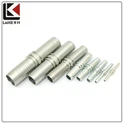
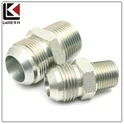
JIC (Joint Industry Council) adaptors are a type of hydraulic fitting commonly used in fluid power systems. They are known for their 37-degree flare seating surface, which provides a reliable and leak-free connection. JIC adaptors are typically made from materials such as steel, stainless steel, or brass, and they come in a variety of sizes and configurations to meet different application requirements. These adaptors are widely used in hydraulic systems for their ease of installation, high-pressure capability, and compatibility with different types of hydraulic fluids.
One of the key advantages of JIC Adaptors is their ability to provide a tight seal under high-pressure conditions. The 37-degree flare design ensures that the seal is made at the contact point between the flare and the mating surface, which helps to prevent leaks even at high pressures. This makes JIC adaptors a popular choice for hydraulic systems where pressure can reach several thousand pounds per square inch (psi).
Requirements in Chemical Processing
Chemical processing involves the transformation of raw materials into useful products through a series of chemical reactions. This process often takes place in a harsh environment, where the equipment is exposed to corrosive chemicals, high temperatures, and high pressures. As a result, the components used in chemical processing systems must meet strict requirements in terms of material compatibility, corrosion resistance, and pressure and temperature ratings.
Material compatibility is perhaps the most critical factor in chemical processing. Different chemicals have different properties, and they can react with certain materials in ways that can compromise the integrity of the equipment. For example, some chemicals may cause corrosion, while others may cause swelling or embrittlement of the material. Therefore, it is essential to select materials that are resistant to the specific chemicals used in the process.
Corrosion resistance is also a major concern in chemical processing. Corrosion can lead to the degradation of the equipment, which can result in leaks, reduced efficiency, and even safety hazards. To prevent corrosion, the components used in chemical processing systems are often made from corrosion-resistant materials such as stainless steel, titanium, or plastic.
In addition to material compatibility and corrosion resistance, the components used in chemical processing systems must also be able to withstand the high pressures and temperatures associated with the process. High pressures can cause the components to fail if they are not designed to handle them, while high temperatures can affect the mechanical properties of the materials. Therefore, it is important to select components with appropriate pressure and temperature ratings.
Suitability of JIC Adaptors in Chemical Processing
The suitability of JIC Adaptors in chemical processing depends on several factors, including the type of chemicals used, the operating conditions, and the material of the adaptors.
Material Compatibility: As mentioned earlier, material compatibility is crucial in chemical processing. JIC adaptors are available in different materials, such as steel, stainless steel, and brass. Stainless steel is often a good choice for chemical processing applications because it has excellent corrosion resistance. However, the specific grade of stainless steel needs to be carefully selected based on the type of chemicals involved. For example, some chemicals may require a higher grade of stainless steel with better resistance to pitting and crevice corrosion.
Corrosion Resistance: Stainless steel JIC adaptors offer good corrosion resistance, but they may not be suitable for all chemical environments. In some cases, the chemicals used may be too aggressive, and even stainless steel can corrode over time. In such situations, alternative materials may need to be considered. For example, DIN Adaptors made from more corrosion-resistant materials like titanium or certain plastics may be a better option.
Pressure and Temperature Ratings: JIC adaptors are designed to handle high pressures, which is an advantage in chemical processing systems where high-pressure conditions are common. However, the operating temperature can also affect the performance of the adaptors. Some materials may lose their strength or become more brittle at high temperatures, which can compromise the integrity of the connection. Therefore, it is important to ensure that the JIC adaptors have appropriate temperature ratings for the specific application.
Advantages of Using JIC Adaptors in Chemical Processing
Despite the challenges, there are several advantages to using JIC Adaptors in chemical processing:


- Ease of Installation: JIC adaptors are relatively easy to install compared to some other types of fittings. This can reduce installation time and labor costs, which is beneficial in large-scale chemical processing plants.
- Leak-Free Connection: The 37-degree flare design of JIC adaptors provides a reliable and leak-free connection, which is essential in chemical processing to prevent the leakage of hazardous chemicals.
- Wide Availability: JIC adaptors are widely available in the market, which makes them easy to source and replace if needed. This can help to minimize downtime in case of a component failure.
Considerations and Limitations
While JIC adaptors have their advantages, there are also some considerations and limitations to keep in mind when using them in chemical processing:
- Material Limitations: As discussed earlier, the material of the JIC adaptors may not be suitable for all chemical environments. It is important to conduct a thorough analysis of the chemicals involved and select the appropriate material accordingly.
- Compatibility with Other Components: In a chemical processing system, the JIC adaptors need to be compatible with other components such as pipes, valves, and pumps. Incompatibility can lead to leaks, reduced efficiency, and even equipment failure.
- Maintenance Requirements: Like all components in a chemical processing system, JIC adaptors require regular maintenance to ensure their proper functioning. This includes inspection for signs of corrosion, wear, and damage, as well as replacement of worn-out parts.
Conclusion
In conclusion, JIC Adaptors can be used in chemical processing applications, but their suitability depends on several factors. When carefully selected based on material compatibility, corrosion resistance, and pressure and temperature ratings, JIC adaptors can provide a reliable and cost-effective solution for many chemical processing systems. However, it is important to consider the specific requirements of the application and to work with a knowledgeable supplier who can provide guidance on the selection and use of these adaptors.
If you are in the market for high-quality JIC adaptors for your chemical processing application, we are here to help. Our team of experts can assist you in choosing the right adaptors based on your specific needs and operating conditions. We offer a wide range of Adapter Hydraulic solutions, including JIC adaptors and DIN Adaptors, to meet the diverse requirements of the chemical processing industry. Contact us today to discuss your procurement needs and start a productive business relationship.
References
- "Handbook of Hydraulic Fluid Technology" by George E. Totten and Michael W. Rudnick.
- "Chemical Process Equipment: Selection and Design" by Walas Stanley M.
- Industry standards and guidelines related to hydraulic fittings and chemical processing.