Do NPT Adapter Unions have a specific direction of flow?
Hey there! I'm a supplier of NPT Adapter Unions, and today, I want to dig into a question that often comes up: Do NPT Adapter Unions have a specific direction of flow? It's a topic that might seem a bit technical at first, but it's super important for anyone working with these fittings in hydraulic systems or other fluid - handling applications.
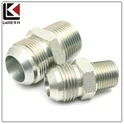
First off, let's talk a bit about what NPT Adapter Unions are. NPT stands for National Pipe Tapered, and these unions are used to connect different pipes or components in a system. They have tapered threads, which help create a tight seal when they're tightened. They're pretty common in all sorts of industries, from manufacturing to plumbing.
Now, the idea of flow direction. In a lot of fluid - handling components, like valves or some types of pumps, there's a very clear direction in which the fluid should flow. This is because these components are designed to work in a specific way, and if the flow is reversed, they might not function properly or could even get damaged.


But when it comes to NPT Adapter Unions, the situation is a bit different. Generally speaking, NPT Adapter Unions do not have a specific direction of flow. The main job of these unions is to connect two parts of a system and create a leak - free seal. The tapered threads are designed to compress and seal regardless of which way the fluid is flowing through them.
Let's think about the structure of an NPT Adapter Union. The threads on both ends are symmetric in terms of how they interact with the mating parts. Whether the fluid is coming from one side or the other, the threads will still do their job of holding the connection together and preventing leaks. This symmetry means that you don't have to worry about aligning the union in a particular direction based on the flow of the fluid.
However, there are some situations where you might want to pay attention to the flow path even with NPT Adapter Unions. For example, in a complex hydraulic system, you might want to consider the overall layout and how the fluid moves through different components. If there are other parts in the system that are sensitive to flow direction, the way you install the NPT Adapter Unions could indirectly affect the performance of the whole setup.
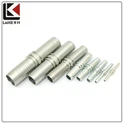
Let's say you're using Hydraulic Hose Ferrule along with NPT Adapter Unions in a hydraulic system. The ferrule is designed to grip the hose and create a connection. While the NPT Adapter Union itself doesn't care about flow direction, the ferrule and the hose it's attached to might have some performance characteristics that are affected by the flow. If the flow causes too much turbulence near the connection point, it could potentially loosen the ferrule over time or cause premature wear on the hose.
Another aspect is the type of fluid being used. Some fluids are more viscous than others. In a system with a highly viscous fluid, the way the fluid moves through the NPT Adapter Union can impact the pressure in the system. Even though the union doesn't have a set flow direction, the flow pattern created by the union can influence how the viscous fluid behaves. For instance, if the union creates a sudden change in the cross - sectional area of the flow path, it could cause a pressure drop or an increase in turbulence, which might affect the overall efficiency of the system.
When it comes to Adapter Hydraulic, which are often used in conjunction with NPT Adapter Unions, they also play a role in the overall flow situation. These adapters can change the size or shape of the connection, and depending on how they're installed with the NPT Adapter Unions, they can affect the flow characteristics. For example, if you're using an adapter to go from a larger pipe size to a smaller one, the way you connect it with the NPT Adapter Union can determine how smoothly the fluid transitions between the different sizes.
FJX Hydraulic Fittings are another type of component that might be part of the same system as NPT Adapter Unions. These fittings are designed for specific applications and often have their own requirements for proper installation and operation. While the NPT Adapter Unions themselves don't have a flow - direction constraint, the interaction between these different fittings can be crucial for the system's performance.
So, while NPT Adapter Unions don't have a specific direction of flow in the traditional sense, there are many factors in a real - world fluid - handling system that can make the overall flow situation more complex. It's always a good idea to consider the entire system layout, the type of fluid, and the other components involved when installing and using NPT Adapter Unions.
If you're in the market for high - quality NPT Adapter Unions or any of the related hydraulic fittings like Hydraulic Hose Ferrule, Adapter Hydraulic, or FJX Hydraulic Fittings, I'm here to help. Whether you have questions about flow direction or any other technical aspects, feel free to reach out for a discussion. We can work together to find the right solutions for your specific fluid - handling needs.
References
- Fluid Mechanics textbooks for general knowledge on flow in pipes and fittings.
- Manufacturer's guidelines for NPT Adapter Unions, Hydraulic Hose Ferrules, Adapter Hydraulics, and FJX Hydraulic Fittings.