Picking the right size of SAE flange adapter is super important, especially when you're in the hydraulic game. As an SAE Flange Adapter supplier, I've seen firsthand how a wrong - sized adapter can mess things up. So, let's dive into how you can make the right choice.
Understanding SAE Flange Adapters
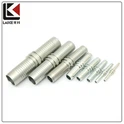
First off, what are SAE flange adapters? Well, they're key components in hydraulic systems. They connect different parts of the system, like pumps, valves, and cylinders. They come in various sizes and configurations to fit different applications. You can check out more about them on our SAE Flange Adapter page.
Flow Rate Considerations
One of the main factors when choosing the size of an SAE flange adapter is the flow rate. In simple terms, the flow rate is how much fluid moves through the hydraulic system in a given time. If you choose an adapter that's too small, it can restrict the flow of the hydraulic fluid. This restriction leads to a drop in pressure, which in turn can cause the system to work less efficiently.
For example, if you have a high - volume hydraulic pump that needs to move a large amount of fluid quickly, you'll need a larger - sized SAE flange adapter. On the other hand, if it's a low - flow system, like a small - scale hydraulic tool, a smaller adapter will be sufficient.
To figure out the right flow rate for your system, you need to look at the specifications of your hydraulic components. The pump, for instance, will have a rated flow capacity in gallons per minute (GPM). Match the size of the SAE flange adapter to this flow rate as closely as possible.
Operating Pressure
Another crucial aspect is the operating pressure of your hydraulic system. The operating pressure is the force that the hydraulic fluid exerts on the system's components. Different sizes of SAE flange adapters can handle different pressure levels.
If you use an adapter that can't handle the system's pressure, it can fail. This failure can lead to leaks, which are not only messy but can also be dangerous. High - pressure systems require larger and more robust SAE flange adapters. These adapters are designed with thicker walls and better sealing mechanisms to withstand the high forces.
You can find the operating pressure of your system in its technical documentation. Once you know the pressure, choose an SAE flange adapter with a pressure rating that exceeds your system's operating pressure. This gives you a safety margin and ensures the adapter won't fail under normal operating conditions.
Compatibility with Other Components
Your SAE flange adapter needs to be compatible with the other components in your hydraulic system. This includes the hoses, fittings, and the equipment it's connecting.
When it comes to hoses, the inner diameter of the hose should match the diameter of the adapter's port. If there's a mismatch, it can cause turbulence in the fluid flow and reduce the system's efficiency.
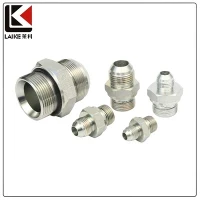
Fittings also play a big role. You might need different types of fittings depending on your system. For example, NPTF Adapter is a common type. Make sure the SAE flange adapter can be easily connected to the fittings you have or plan to use.
System Design and Space Constraints
The design of your hydraulic system and the available space can also influence the size of the SAE flange adapter you choose. In a compact system, you might not have the room for a large - sized adapter. In such cases, you'll need to look for smaller, more space - efficient options.
However, don't sacrifice performance for space. If a larger adapter is required for proper flow and pressure management, you might need to re - evaluate your system design or find a way to make more room.
Industry Standards and Regulations
It's important to follow industry standards and regulations when choosing an SAE flange adapter. These standards ensure that the adapter is safe and reliable. They cover aspects like dimensions, pressure ratings, and material quality.


By choosing an adapter that meets these standards, you can be confident that it will work well in your system. You can usually find information about industry standards on the product packaging or on our Hydraulic Fitting Adapters page.
Material and Finish
The material and finish of the SAE flange adapter can also impact its performance and durability. Common materials include steel, stainless steel, and aluminum. Steel adapters are strong and can handle high pressures, but they might be prone to corrosion. Stainless steel is corrosion - resistant, making it a good choice for harsh environments. Aluminum adapters are lightweight, which can be an advantage in some applications.
The finish of the adapter can also protect it from wear and tear. For example, a zinc - plated finish can provide some corrosion resistance. Consider the environment in which the adapter will be used when choosing the material and finish.
Cost - Benefit Analysis
Finally, you need to do a cost - benefit analysis. Larger and higher - quality SAE flange adapters might cost more, but they can also offer better performance and durability. On the other hand, cheaper adapters might save you money upfront but could lead to more problems in the long run.
Think about the long - term costs, such as maintenance and replacement. If a more expensive adapter lasts longer and reduces the need for frequent replacements, it might be a better investment.
Conclusion and Call to Action
Choosing the right size of SAE flange adapter is a multi - faceted process. You need to consider flow rate, operating pressure, compatibility, system design, industry standards, material, and cost. By taking all these factors into account, you can ensure that your hydraulic system runs smoothly and efficiently.
If you're still unsure about which SAE flange adapter size is right for your application, don't hesitate to reach out. We're here to help you make the best choice for your hydraulic system. Whether you're a small business or a large industrial operation, we have the expertise and products to meet your needs. Let's have a chat and get your hydraulic system up and running at its best.
References
- Hydraulic Systems Handbook: A comprehensive guide to hydraulic system components and operation.
- Industry Standards for Hydraulic Fittings: Published by industry - recognized organizations.