Handling a heavy-duty hose assembly requires a comprehensive understanding of its components, functions, and proper maintenance techniques. As a leading hose assembly supplier, we are committed to providing our customers with high-quality products and expert advice on how to handle these assemblies effectively.
Understanding Heavy-Duty Hose Assemblies
Heavy-duty hose assemblies are designed to withstand high pressures, extreme temperatures, and harsh environments. They are commonly used in industrial applications such as construction, mining, agriculture, and manufacturing. These assemblies typically consist of a hose, fittings, and sometimes additional components like adapters or couplings.
The hose itself is made of various materials, including rubber, thermoplastics, and metal. Each material has its own unique properties and is chosen based on the specific application requirements. For example, rubber hoses are flexible and resistant to abrasion, while thermoplastic hoses are lightweight and have excellent chemical resistance.
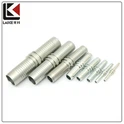
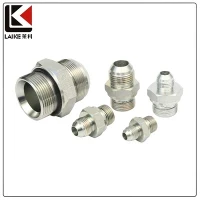
Fittings are used to connect the hose to other components in the system. They come in a variety of shapes and sizes, and are typically made of metal or plastic. The type of fitting used depends on the type of hose and the application. For example, a hydraulic hose assembly may use a hydraulic fitting, while a pneumatic hose assembly may use a pneumatic quick coupling.
Proper Handling Techniques
- Inspection: Before using a heavy-duty hose assembly, it is important to inspect it for any signs of damage or wear. Check the hose for cuts, abrasions, bulges, or leaks. Inspect the fittings for cracks, corrosion, or loose connections. If any damage is found, the assembly should be replaced immediately.
- Installation: When installing a heavy-duty hose assembly, it is important to follow the manufacturer's instructions carefully. Make sure the hose is the correct length and size for the application. Use the appropriate fittings and tools to ensure a secure connection. Tighten the fittings to the recommended torque specifications to prevent leaks.
- Storage: When not in use, heavy-duty hose assemblies should be stored properly to prevent damage. Store the assemblies in a cool, dry place away from direct sunlight and heat sources. Avoid storing the assemblies in areas where they may be exposed to chemicals or other harmful substances.
- Maintenance: Regular maintenance is essential to ensure the proper functioning of heavy-duty hose assemblies. Inspect the assemblies regularly for signs of wear or damage. Replace any worn or damaged components as needed. Clean the assemblies periodically to remove dirt, debris, and other contaminants.
- Pressure Testing: Before using a heavy-duty hose assembly in a high-pressure application, it is important to perform a pressure test to ensure the assembly can withstand the required pressure. Follow the manufacturer's instructions for pressure testing and use a calibrated pressure gauge to measure the pressure.
Choosing the Right Hose Assembly
When choosing a heavy-duty hose assembly, it is important to consider the specific application requirements. Here are some factors to consider:
- Pressure Rating: The pressure rating of the hose assembly should be higher than the maximum pressure of the application. This ensures that the assembly can withstand the pressure without leaking or bursting.
- Temperature Range: The temperature range of the hose assembly should be suitable for the application. Some hoses are designed to withstand high temperatures, while others are designed for low temperatures.
- Chemical Compatibility: The hose assembly should be compatible with the chemicals or fluids it will be carrying. Some hoses are resistant to certain chemicals, while others are not.
- Size and Length: The size and length of the hose assembly should be appropriate for the application. Make sure the hose is long enough to reach the desired location and has the correct diameter for the flow rate.
- Fittings: The fittings used on the hose assembly should be compatible with the other components in the system. Make sure the fittings are the correct size and type for the application.
Pneumatic Quick Coupling and Hydraulic Hose Assembly
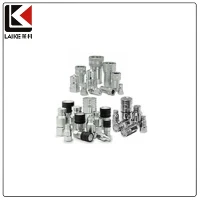
In addition to heavy-duty hose assemblies, we also offer a wide range of Pneumatic Quick Coupling and Hydraulic Hose Assembly. These products are designed to provide a quick and easy way to connect and disconnect hoses in pneumatic and hydraulic systems.
Pneumatic quick couplings are used to connect pneumatic hoses to air tools, valves, and other components in a pneumatic system. They are available in a variety of sizes and styles, and can be used with different types of hoses. Hydraulic hose assemblies, on the other hand, are used to connect hydraulic pumps, cylinders, and other components in a hydraulic system. They are designed to withstand high pressures and are available in a variety of lengths and sizes.
Conclusion
Handling a heavy-duty hose assembly requires a combination of knowledge, skill, and proper maintenance. By following the tips and techniques outlined in this blog post, you can ensure the proper functioning and longevity of your hose assemblies. If you have any questions or need further assistance, please do not hesitate to contact us. We are here to help you choose the right hose assembly for your application and provide you with the support you need to keep your system running smoothly.


If you are interested in purchasing heavy-duty hose assemblies, pneumatic quick couplings, or hydraulic hose assemblies, please contact us for more information. We offer a wide range of products at competitive prices, and our experienced team can help you find the right solution for your needs.
References
- Manufacturer's manuals and technical specifications for heavy-duty hose assemblies.
- Industry standards and guidelines for handling and maintaining hose assemblies.