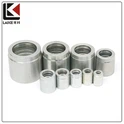
BSPT (British Standard Pipe Taper) adapters are essential components in various hydraulic and piping systems. As a BSPT Adapter supplier, I understand the importance of handling these adapters properly to avoid damage. In this blog, I will share some valuable insights on how to handle BSPT adapters effectively to ensure their longevity and optimal performance.
Understanding BSPT Adapters
Before delving into the handling techniques, it's crucial to have a basic understanding of BSPT adapters. BSPT adapters are designed to connect pipes or components with different thread types, ensuring a secure and leak - free connection. They are commonly used in hydraulic systems, plumbing, and other industrial applications. You can find more information about BSPT Adapter on our website.
Proper Storage
One of the first steps in avoiding damage to BSPT adapters is proper storage. When not in use, BSPT adapters should be stored in a clean, dry, and temperature - controlled environment. Moisture can cause corrosion, which can weaken the adapter and lead to leaks. It's also advisable to store the adapters in a dedicated container or rack to prevent them from coming into contact with other sharp or heavy objects that could scratch or dent them.
- Use Protective Caps: When storing BSPT adapters, always use protective caps on the threaded ends. These caps prevent dirt, debris, and moisture from entering the threads, which can cause galling or corrosion. Protective caps are inexpensive and can significantly extend the life of your adapters.
- Organize by Size and Type: Keeping your BSPT adapters organized by size and type makes it easier to find the right adapter when needed. It also reduces the risk of damage during handling, as you are less likely to accidentally drop or mishandle an adapter while searching for the correct one.
Handling During Installation
The installation process is a critical stage where damage to BSPT adapters can occur. It's important to follow the correct procedures to ensure a proper and damage - free installation.
- Inspect the Adapters: Before installation, carefully inspect the BSPT adapters for any signs of damage, such as cracks, dents, or damaged threads. If you notice any issues, do not use the adapter, as it may not provide a secure connection and could lead to leaks or system failures.
- Use the Right Tools: Using the correct tools is essential for a proper installation. For BSPT adapters, a pipe wrench or a socket wrench of the appropriate size should be used. Avoid using pliers or other tools that can damage the adapter's surface or threads. Make sure the tools are clean and in good condition to prevent any contaminants from being transferred to the adapter.
- Apply Thread Sealant Correctly: Thread sealant is used to create a leak - free seal between the BSPT adapter and the mating component. However, it's important to apply the sealant correctly. Too much sealant can cause the adapter to over - tighten, which can damage the threads. Too little sealant may result in leaks. Follow the manufacturer's instructions for the correct amount and application method of the thread sealant.
- Tighten to the Correct Torque: Over - tightening or under - tightening BSPT adapters can cause damage. Use a torque wrench to ensure that the adapter is tightened to the manufacturer's recommended torque specification. This will help prevent leaks and ensure the adapter's long - term performance.
Handling During Maintenance and Removal
Maintenance and removal of BSPT adapters also require careful handling to avoid damage.
- Follow Maintenance Schedules: Regular maintenance is essential for the proper functioning of BSPT adapters. Follow the recommended maintenance schedule for your hydraulic or piping system. During maintenance, inspect the adapters for any signs of wear or damage and replace them if necessary.
- Use Proper Removal Techniques: When removing BSPT adapters, use the same tools and techniques as during installation. Apply gentle pressure and turn the adapter in the correct direction. If the adapter is stuck, do not use excessive force, as this can damage the adapter or the mating component. Instead, use a penetrating oil to loosen the adapter and then try to remove it again.
Avoiding Chemical and Environmental Damage
BSPT adapters can be damaged by exposure to certain chemicals and environmental conditions.


- Avoid Contact with Corrosive Substances: Some chemicals can corrode BSPT adapters, especially if they are made of metal. Avoid exposing the adapters to corrosive substances such as acids, alkalis, and saltwater. If the adapters are used in an environment where they may come into contact with these substances, consider using adapters made of corrosion - resistant materials.
- Protect from Extreme Temperatures: Extreme temperatures can cause the materials of BSPT adapters to expand or contract, which can lead to damage. If the adapters are used in high - temperature or low - temperature environments, make sure they are designed to withstand these conditions. You may also need to use additional insulation or cooling measures to protect the adapters.
Compatibility with Other Components
Ensuring compatibility between BSPT adapters and other components in the system is crucial for avoiding damage.
- Check Mating Threads: Before installing a BSPT adapter, make sure the mating threads of the adapter and the component are compatible. Mismatched threads can cause galling, which is the adhesion and tearing of metal between the threads. This can damage the threads and make it difficult to remove or reinstall the adapter in the future.
- Consider System Pressure and Flow: The BSPT adapter should be rated for the pressure and flow requirements of the system. Using an adapter that is not rated for the system's pressure can cause the adapter to fail, leading to leaks or even system explosions in extreme cases.
Training and Education
Proper handling of BSPT adapters requires knowledge and skills. Providing training to your employees or customers on how to handle, install, and maintain BSPT adapters can significantly reduce the risk of damage.
- Conduct Training Sessions: Organize training sessions for your employees or customers on the proper handling of BSPT adapters. These sessions can cover topics such as inspection, installation, maintenance, and removal procedures. Hands - on training can be particularly effective in teaching the correct techniques.
- Provide Written Instructions: Along with training sessions, provide written instructions on how to handle BSPT adapters. These instructions should include detailed steps, safety precautions, and recommended tools. Make sure the instructions are easy to understand and accessible to everyone who may handle the adapters.
Conclusion
Proper handling of BSPT adapters is essential for their longevity and optimal performance. By following the tips outlined in this blog, you can significantly reduce the risk of damage to your BSPT adapters. As a BSPT Adapter supplier, we are committed to providing high - quality adapters and supporting our customers with the knowledge and resources they need to handle them properly.
If you are in the market for BSPT adapters or have any questions about their handling and maintenance, please feel free to reach out to us. We are here to assist you with your procurement needs and ensure that you get the most out of your BSPT adapters. You can also explore our other products such as Flange Joint and Hydraulic Plugs on our website.
References
- "Hydraulic Piping Handbook", published by a leading hydraulic industry association.
- Manufacturer's manuals for BSPT adapters.
- Industry standards and guidelines for the installation and maintenance of hydraulic components.