Hey there! As a supplier of hydraulic fittings, I often get asked about the difference between static and dynamic hydraulic fittings. It's a pretty common question, and it's important to understand these differences if you're in the market for hydraulic fittings. So, let's dive right in and break it down.
Static Hydraulic Fittings
First off, let's talk about static hydraulic fittings. These are the types of fittings that are used in applications where there's little to no movement. They're designed to create a secure and leak - free connection in a stationary hydraulic system.
One of the key features of static hydraulic fittings is their stability. Since they don't have to deal with the stresses of movement, they can be made with a focus on creating a tight seal. This means that they're often used in situations where you need a reliable connection that won't come loose over time.
For example, in a hydraulic power unit that's installed in a factory and doesn't move, static hydraulic fittings are a great choice. They can handle the pressure of the hydraulic fluid without any issues, and they'll keep the system running smoothly.
Another advantage of static hydraulic fittings is their simplicity. They're usually easier to install compared to dynamic fittings. You don't have to worry about things like flexibility or the ability to withstand vibrations. All you need to do is make sure that the fitting is properly tightened and sealed.
However, static hydraulic fittings do have their limitations. Since they're not designed for movement, they can't be used in applications where there's a lot of flexing or vibration. If you try to use a static fitting in a dynamic situation, it's likely to fail over time, leading to leaks and potential system failures.
Dynamic Hydraulic Fittings
Now, let's move on to dynamic hydraulic fittings. These are the fittings that are used in applications where there's movement. They're designed to be flexible and able to withstand the stresses of vibration, bending, and stretching.
One of the main features of dynamic hydraulic fittings is their flexibility. They're made from materials that can bend and move without breaking. This allows them to be used in applications like hydraulic cylinders on construction equipment, where the fittings need to move as the cylinder extends and retracts.
Dynamic hydraulic fittings also need to be able to handle vibrations. In a moving hydraulic system, there's often a lot of vibration, which can put stress on the fittings. These fittings are designed to absorb and dissipate this vibration, preventing it from causing damage to the connection.
However, dynamic hydraulic fittings are more complex and expensive than static fittings. They require more advanced manufacturing techniques and materials to ensure their flexibility and durability. Installation can also be more challenging, as you need to make sure that the fitting is properly aligned and that it has enough room to move without being restricted.
Key Differences
So, what are the key differences between static and dynamic hydraulic fittings?
Movement Tolerance: The most obvious difference is their ability to handle movement. Static fittings are for stationary applications, while dynamic fittings are for moving ones.
Material and Design: Dynamic fittings are made from more flexible materials and have a more complex design to accommodate movement. Static fittings, on the other hand, are made for stability and a simple, tight seal.
Installation: Static fittings are generally easier to install, while dynamic fittings require more careful installation to ensure proper alignment and movement.
Cost: Dynamic fittings are usually more expensive due to their advanced design and materials.
Applications
Let's take a look at some specific applications for each type of fitting.
Static Fittings:
- Industrial hydraulic power units
- Fixed hydraulic pipelines in factories
- Hydraulic systems in buildings where there's no movement
Dynamic Fittings:
- Construction equipment like excavators and loaders
- Agricultural machinery such as tractors and combines
- Mobile hydraulic systems on trucks and trailers
Choosing the Right Fitting
When it comes to choosing between static and dynamic hydraulic fittings, it's all about the application. You need to consider the amount of movement, vibration, and pressure in the system.


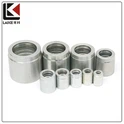
If you're working on a stationary hydraulic system, static fittings are the way to go. They're reliable, easy to install, and cost - effective. You can check out our Hydraulic Hose Ferrule for some great static fitting options.
On the other hand, if you're dealing with a moving hydraulic system, you'll need dynamic fittings. Our DKO Hydraulic Fittings are a great choice for dynamic applications. They're designed to handle the stresses of movement and vibration.
And if you're looking for something to seal your BSP threads, our Plugs for BSP Thread are just what you need.
Conclusion
In conclusion, understanding the difference between static and dynamic hydraulic fittings is crucial for anyone working with hydraulic systems. Whether you need a simple, stationary connection or a flexible, moving one, there's a fitting out there for you.
As a hydraulic fitting supplier, I'm here to help you find the right fitting for your needs. If you have any questions or need advice on which fitting to choose, don't hesitate to reach out. We can provide you with high - quality fittings that will keep your hydraulic system running smoothly.
If you're interested in purchasing hydraulic fittings, we'd love to have a chat with you. Contact us to start a procurement discussion, and let's work together to find the perfect solution for your hydraulic system.
References
- "Hydraulic Fitting Handbook" - A comprehensive guide on hydraulic fittings and their applications.
- Industry standards and specifications for hydraulic fittings.