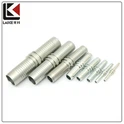
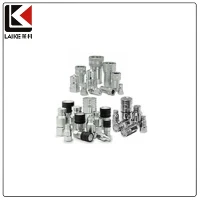
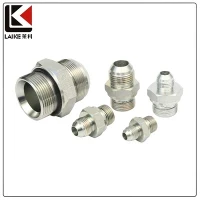
Installing a JIC (Joint Industry Council) adaptor is a crucial task in various hydraulic systems. As a JIC Adaptor supplier, I've witnessed firsthand the importance of proper installation to ensure the efficiency and safety of these systems. In this blog, I'll guide you through the step - by - step process of installing a JIC adaptor.
Understanding JIC Adaptors
Before diving into the installation process, it's essential to understand what JIC adaptors are. JIC adaptors are used in hydraulic systems to connect different components such as hoses, pipes, and valves. They are designed with a 37 - degree flare seat, which provides a reliable and leak - free connection. These adaptors come in various sizes and configurations to meet different application requirements.


Tools and Materials Needed
To install a JIC adaptor, you'll need the following tools and materials:
- JIC Adaptor: Make sure to select the correct size and type of JIC adaptor for your specific application. As a supplier, we offer a wide range of JIC adaptors to suit various hydraulic systems.
- Wrenches: Appropriate sized wrenches are required to tighten the adaptor. A combination of open - end and adjustable wrenches can be useful.
- Sealant (Optional): In some cases, a high - quality hydraulic sealant can be used to enhance the sealing performance. However, this is not always necessary as the 37 - degree flare seat of the JIC adaptor provides a good seal on its own.
- Cleaning Supplies: A clean work area is crucial. You'll need a rag or a brush to clean the mating surfaces of the components where the adaptor will be installed.
Step - by - Step Installation Process
Step 1: Preparation
- Inspect the Adaptor: Before installation, carefully inspect the JIC adaptor for any signs of damage, such as cracks, burrs, or deformities. If you find any issues, do not use the adaptor and contact your supplier for a replacement.
- Clean the Components: Use a clean rag or a brush to remove any dirt, debris, or old sealant from the mating surfaces of the components where the adaptor will be installed. This ensures a proper seal and prevents contaminants from entering the hydraulic system.
Step 2: Positioning the Adaptor
- Determine the Correct Location: Identify the specific location where the JIC adaptor needs to be installed. This may involve referring to the hydraulic system's schematic or layout. Make sure that the adaptor is positioned in a way that allows easy access for tightening and future maintenance.
- Align the Adaptor: Align the JIC adaptor with the mating component. Ensure that the 37 - degree flare seats of the adaptor and the component are properly aligned. Misalignment can lead to leaks and reduced performance.
Step 3: Initial Installation
- Hand - Tighten the Adaptor: Carefully thread the JIC adaptor onto the mating component by hand. Turn the adaptor clockwise until it is snug. This initial hand - tightening helps to ensure that the threads are properly engaged and prevents cross - threading.
Step 4: Tightening the Adaptor
- Use the Wrenches: Once the adaptor is hand - tightened, use the appropriate wrenches to further tighten it. Start with a light tightening and gradually increase the torque. Be careful not to over - tighten, as this can damage the threads or the flare seat.
- Follow the Torque Specifications: Different sizes and types of JIC adaptors have specific torque requirements. Refer to the manufacturer's specifications or industry standards to determine the correct torque value. Over - tightening can cause the flare seat to deform, while under - tightening can result in leaks.
Step 5: Checking for Leaks
- Pressurize the System: After tightening the JIC adaptor, slowly pressurize the hydraulic system. Observe the connection point for any signs of leaks. If you notice any leaks, stop the system immediately and re - check the installation.
- Make Adjustments if Necessary: If there are leaks, carefully loosen the adaptor and re - align it. Then, re - tighten the adaptor to the correct torque. Repeat the leak check until no leaks are detected.
Compatibility with Other Fittings
JIC adaptors can be used in combination with other types of hydraulic fittings to meet specific system requirements. For example, Swivel Hose Fitting can be used in conjunction with JIC adaptors to provide flexibility in the hydraulic system. Similarly, METRIC Hydraulic Fittings and DKO Hydraulic Fittings can also be integrated with JIC adaptors in certain applications. However, it's important to ensure that the fittings are compatible in terms of size, pressure rating, and thread type.
Maintenance and Safety Considerations
- Regular Inspections: Periodically inspect the JIC adaptor and the surrounding hydraulic system for any signs of wear, damage, or leaks. This helps to identify potential issues before they become major problems.
- Safety Precautions: When working with hydraulic systems, always follow proper safety procedures. Wear appropriate personal protective equipment, such as safety glasses and gloves. Depressurize the system before making any adjustments or repairs.
Conclusion
Installing a JIC adaptor correctly is essential for the proper functioning of hydraulic systems. By following the steps outlined in this blog, you can ensure a reliable and leak - free connection. As a JIC Adaptor supplier, we are committed to providing high - quality products and technical support to our customers. If you have any questions about JIC adaptors or need assistance with installation, please feel free to contact us. We are here to help you find the best solutions for your hydraulic system needs. Whether you are a professional in the industry or a DIY enthusiast, we can offer the right products and guidance for your projects.
References
- Hydraulic Fitting Handbook, Various Industry Publications
- Manufacturer's Installation Guides for JIC Adaptors