Hey there! As a supplier of JIC hose fittings, I've been getting a lot of questions lately about whether these fittings are suitable for mobile equipment. So, I thought I'd take a deep dive into this topic and share my insights with you all.


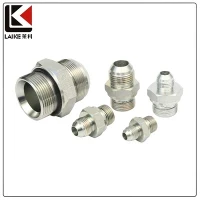
First off, let's quickly go over what JIC hose fittings are. JIC, which stands for Joint Industry Council, is a standard for hydraulic fittings in North America. These fittings are known for their 37-degree flare seating surface, which provides a reliable and leak-resistant connection for hydraulic systems. They're made from high-quality materials like steel, stainless steel, and brass, which makes them durable and able to withstand high pressures.
Now, let's talk about mobile equipment. Mobile equipment includes things like construction machinery, agricultural vehicles, and material handling equipment. These machines are often used in tough environments, where they're exposed to dirt, dust, vibrations, and extreme temperatures. So, when it comes to choosing hose fittings for mobile equipment, reliability and durability are key.
One of the main advantages of JIC hose fittings for mobile equipment is their leak resistance. In a mobile hydraulic system, leaks can be a major problem. They can lead to loss of hydraulic fluid, which not only wastes money but can also cause environmental pollution. Additionally, leaks can reduce the efficiency of the hydraulic system, leading to decreased performance of the mobile equipment. The 37-degree flare design of JIC fittings creates a tight seal, minimizing the risk of leaks even under high pressure and vibration.
Another great thing about JIC hose fittings is their versatility. They can be used with a wide range of hydraulic hoses, including high-pressure and low-pressure hoses. This means that whether you're working on a small agricultural tractor or a large construction excavator, you can find the right JIC fitting for your application. For example, if you need a fitting for a high-pressure hydraulic line in a mobile crane, you can choose a JIC fitting made from high-strength steel. On the other hand, if you're dealing with a low-pressure system in a smaller mobile device, a brass JIC fitting might be a more cost-effective option.
Durability is also a big plus. Mobile equipment is constantly on the move, and the hose fittings need to be able to handle the rigors of daily use. JIC fittings are built to last. The materials they're made from are resistant to corrosion, wear, and tear. This is especially important in outdoor environments where the equipment is exposed to moisture and harsh chemicals. For instance, in a construction site where the equipment is often in contact with concrete and other abrasive materials, the JIC fittings can maintain their integrity over time.
However, like any product, JIC hose fittings also have some limitations when it comes to mobile equipment. One potential issue is the installation process. JIC fittings require precise installation to ensure a proper seal. If they're not installed correctly, it can lead to leaks and other problems. This means that the technicians working on the mobile equipment need to be properly trained in the installation of JIC fittings. Another thing to consider is the cost. Compared to some other types of hose fittings, JIC fittings can be a bit more expensive. This might be a concern for some customers, especially those on a tight budget.
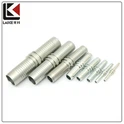
Now, let's take a look at some specific types of JIC hose fittings that are commonly used in mobile equipment. The Socketless Hose Fitting is a great option for applications where space is limited. These fittings are designed to be installed without the need for a socket, which can save time and effort during installation. They're also less likely to be damaged during installation compared to traditional fittings.
The Swivel Hydraulic Fitting is another popular choice for mobile equipment. These fittings allow the hose to rotate, which can be very useful in applications where the equipment moves in different directions. For example, in a forklift, the swivel fitting can prevent the hose from kinking or getting damaged as the forks are raised and lowered.
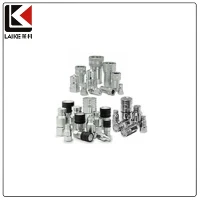
The Reusable Hose Fitting is a cost-effective option for mobile equipment. These fittings can be removed and reinstalled multiple times, which can save money in the long run. They're also a great choice for maintenance and repair work, as they can be easily replaced without having to replace the entire hose assembly.
In conclusion, JIC hose fittings are generally a great choice for mobile equipment. Their leak resistance, versatility, and durability make them well-suited for the demanding environments in which mobile equipment operates. However, it's important to consider the installation requirements and cost when making a decision. If you're looking for reliable and high-quality JIC hose fittings for your mobile equipment, I'd be more than happy to help. Whether you need a single fitting or a large order, we've got you covered.
If you're interested in learning more about our JIC hose fittings or have any questions about which fittings are right for your mobile equipment, don't hesitate to reach out. We can have a detailed discussion about your specific needs and find the best solutions for you. Let's work together to ensure the smooth operation of your mobile equipment!
References
- Hydraulic Fitting Handbook, Industry Standard Publications
- Mobile Equipment Hydraulic System Design Guidelines, Professional Engineering Journals