Properly sealing hydraulic fittings is crucial in any hydraulic system. As a professional hydraulic fitting supplier, I've witnessed firsthand the significant impact that correct sealing has on the overall performance and longevity of these systems. In this blog, I'll share some in - depth knowledge on how to seal hydraulic fittings properly.
Understanding the Basics of Hydraulic Fittings
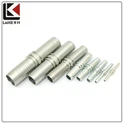
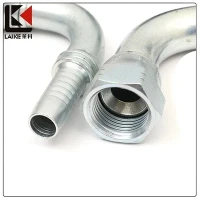
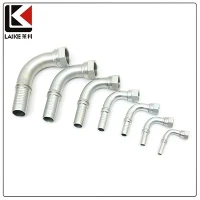
Before we dive into the sealing process, it's essential to have a basic understanding of hydraulic fittings. Hydraulic fittings are used to connect hoses, pipes, and other components in a hydraulic system. They come in various types, such as BRITISH Hydraulic Fittings, Adapter Hydraulic, and NO Skive Ferrule. Each type has its own unique design and application, which will influence the sealing method.
The main purpose of sealing hydraulic fittings is to prevent fluid leakage. Leakage can lead to a loss of system pressure, reduced efficiency, and potential damage to surrounding components. Moreover, it can also pose safety hazards, especially in high - pressure hydraulic systems.

Selecting the Right Sealing Materials
One of the first steps in proper sealing is choosing the appropriate sealing materials. The most common sealing materials for hydraulic fittings include O - rings, gaskets, and thread sealants.
O - Rings
O - rings are circular rubber seals that are widely used in hydraulic systems. They are designed to fit into grooves and create a tight seal between two mating surfaces. When selecting an O - ring, you need to consider factors such as the material, size, and hardness.
The material of the O - ring is crucial as it determines its compatibility with the hydraulic fluid. For example, nitrile rubber O - rings are suitable for most mineral - based hydraulic fluids, while fluorocarbon (Viton) O - rings are more resistant to high - temperature and aggressive fluids.
The size of the O - ring must match the groove dimensions precisely. An O - ring that is too large or too small will not provide an effective seal. You can use O - ring sizing charts to ensure the correct fit. The hardness of the O - ring, measured in durometer, also affects its sealing performance. A harder O - ring is more resistant to extrusion but may require higher installation forces.
Gaskets
Gaskets are flat seals that are used between two flanged surfaces. They are available in various materials, such as rubber, cork, and metal. Rubber gaskets are flexible and can conform to irregular surfaces, while metal gaskets are more suitable for high - pressure and high - temperature applications.
When using gaskets, it's important to ensure that the mating surfaces are clean and flat. Any dirt, scratches, or unevenness can compromise the seal. You may also need to apply a thin layer of gasket sealant to enhance the sealing performance.
Thread Sealants
Thread sealants are used to seal threaded connections in hydraulic fittings. They come in two main types: anaerobic and PTFE (Teflon) tape.
Anaerobic thread sealants cure in the absence of air and in the presence of metal ions. They provide a strong, leak - proof seal and are resistant to vibration and pressure. PTFE tape, on the other hand, is a thin, white tape that is wrapped around the threads. It is easy to use and is suitable for low - pressure applications. However, it may not be as reliable in high - pressure systems.
Preparing the Fittings for Sealing
Once you have selected the appropriate sealing materials, you need to prepare the hydraulic fittings for sealing.
Cleaning the Fittings
Cleaning the fittings is a critical step. Any dirt, debris, or old sealing material can prevent a proper seal. Use a suitable solvent, such as mineral spirits or brake cleaner, to clean the mating surfaces of the fittings. After cleaning, dry the fittings thoroughly to remove any residual solvent.
For threaded fittings, you should also clean the threads. You can use a wire brush to remove any dirt or corrosion from the threads. Make sure to clean both the male and female threads.
Inspecting the Fittings
Before installing the sealing materials, inspect the fittings for any damage. Check for cracks, scratches, or worn - out surfaces. Any damaged fittings should be replaced immediately, as they will not provide a reliable seal.
For O - ring grooves, check for proper dimensions and smoothness. Any burrs or sharp edges in the groove can damage the O - ring and cause leakage.
Installing the Sealing Materials
Installing O - Rings
When installing an O - ring, you need to handle it carefully to avoid damage. Use a lubricant, such as hydraulic fluid or silicone grease, to ease the installation process. This will also help prevent the O - ring from being cut or pinched during installation.
Place the O - ring into the groove, making sure it sits evenly and without twists. You can use a special O - ring installation tool to ensure proper placement. Once the O - ring is in place, check for any signs of damage or misalignment.
Installing Gaskets
To install a gasket, first, apply a thin layer of gasket sealant on both sides of the gasket if required. Then, place the gasket between the two mating surfaces, aligning the holes properly. Make sure the gasket is centered and not wrinkled.
Tighten the bolts or nuts evenly in a criss - cross pattern to ensure uniform pressure on the gasket. Over - tightening can damage the gasket, while under - tightening will result in a leaky seal.
Applying Thread Sealants
When using anaerobic thread sealants, apply a small amount of the sealant to the male threads. Make sure to cover the entire length of the threads. Then, thread the fitting into place and tighten it according to the manufacturer's specifications.
If you are using PTFE tape, wrap it around the male threads in a clockwise direction. Start about one thread from the end of the fitting and wrap the tape tightly, overlapping it slightly with each turn. After wrapping the tape, thread the fitting into place and tighten it.
Tightening the Fittings Correctly
Proper tightening is essential for a good seal. Over - tightening can damage the fittings and the sealing materials, while under - tightening will result in leakage.
Using Torque Wrenches
For threaded fittings, it's recommended to use a torque wrench to ensure the correct tightening torque. The manufacturer's specifications will provide the recommended torque values for different types and sizes of fittings.
When using a torque wrench, make sure to apply the torque gradually and evenly. Do not use sudden or excessive force, as this can cause the fitting to break or the threads to strip.
Checking for Leaks
After tightening the fittings, it's important to check for leaks. You can do this by pressurizing the hydraulic system and visually inspecting the fittings for any signs of fluid leakage. You can also use a leak - detection spray, which will bubble when it comes into contact with leaking fluid.
If you detect a leak, do not immediately over - tighten the fitting. Instead, loosen the fitting slightly, check the sealing material for damage or misalignment, and then retighten it to the correct torque.
Maintenance and Inspection
Proper sealing is not a one - time task. Regular maintenance and inspection of hydraulic fittings are necessary to ensure long - term sealing performance.
Regular Inspections
You should inspect the hydraulic fittings at regular intervals, especially in high - usage or high - stress applications. Check for signs of leakage, wear, or damage to the sealing materials. If you notice any issues, replace the sealing materials or the fittings as soon as possible.
Fluid Analysis
Regular fluid analysis can also help detect potential sealing problems. A sudden increase in the amount of contaminants in the hydraulic fluid may indicate a leak in the system. By analyzing the fluid, you can identify the source of the problem and take appropriate measures.
Conclusion
Properly sealing hydraulic fittings is a multi - step process that requires careful selection of sealing materials, proper preparation of the fittings, correct installation, and regular maintenance. As a hydraulic fitting supplier, I understand the importance of these steps in ensuring the reliable operation of hydraulic systems.
If you have any questions about hydraulic fittings or need assistance in selecting the right sealing solutions for your application, please feel free to contact us. We are here to help you make the best choices and ensure the proper functioning of your hydraulic systems.
References
- "Hydraulic Systems and Components" by Thomas Scheidl
- "Sealing Technology Handbook" by John D. Carlson
- Manufacturer's technical documents for hydraulic fittings and sealing materials