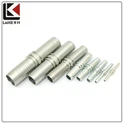
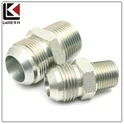
As a supplier of NPT Adapter Unions, I understand the importance of proper storage for these essential components. NPT (National Pipe Taper) Adapter Unions are widely used in various industries, including plumbing, hydraulics, and manufacturing, to connect pipes and fittings with different thread types. Ensuring their proper storage not only maintains their functionality but also extends their lifespan, ultimately saving costs and reducing downtime. In this blog, I will share some valuable insights on how to store NPT Adapter Unions properly.
Understanding the Characteristics of NPT Adapter Unions
Before delving into storage methods, it's crucial to understand the characteristics of NPT Adapter Unions. These unions are typically made of materials such as brass, stainless steel, or carbon steel, each with its own properties and susceptibility to environmental factors. For instance, brass is prone to corrosion in high - humidity environments, while carbon steel may rust if exposed to moisture.
The threads on NPT Adapter Unions are tapered, which means they rely on a tight fit to create a seal. Any damage to the threads, such as nicks or burrs, can compromise the sealing ability and lead to leaks. Additionally, the surface finish of the unions can affect their performance, and scratches or abrasions may cause issues over time.
Choosing the Right Storage Location
The first step in proper storage is selecting an appropriate location. The storage area should be clean, dry, and well - ventilated. Avoid areas prone to flooding, excessive moisture, or direct sunlight. High humidity can cause corrosion on the metal surfaces of the NPT Adapter Unions, and sunlight can lead to degradation of any protective coatings.
A climate - controlled storage room is ideal. If this is not possible, a storage cabinet or rack in a dry part of the warehouse can be used. Make sure the area is free from dust and debris, as these can accumulate on the unions and cause damage.
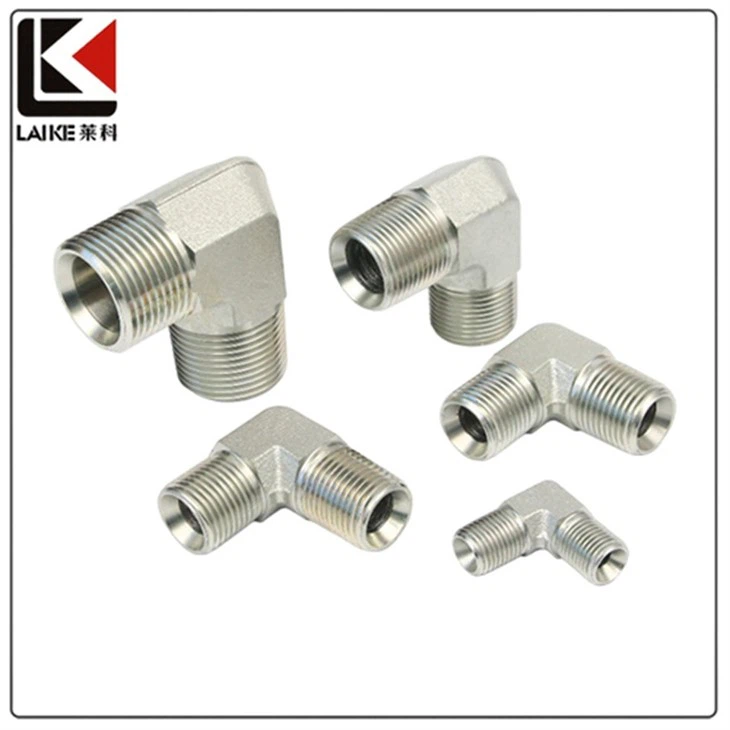

Protecting from Moisture
Moisture is one of the biggest enemies of NPT Adapter Unions. To protect them from moisture, consider using desiccants. Silica gel packets are a common and effective option. Place these packets in the storage containers or cabinets where the unions are stored. They will absorb any excess moisture in the air, helping to keep the environment dry.
Another way to prevent moisture damage is to coat the NPT Adapter Unions with a protective lubricant or anti - rust compound. This creates a barrier between the metal surface and the moisture in the air. However, make sure to choose a lubricant that is compatible with the material of the unions and the fluids they will be used with.
Organizing the Storage
Proper organization is key to efficient storage. Group the NPT Adapter Unions by size, material, and thread type. This makes it easier to locate the required union when needed. You can use labeled storage bins, drawers, or racks to keep everything organized.
For larger quantities, consider using pallet racks. Stack the pallets in an orderly manner, and make sure the weight is evenly distributed to prevent damage to the unions at the bottom. Use dividers or separators to keep the unions from rubbing against each other, which can cause scratches and damage to the threads.
Handling During Storage
When handling NPT Adapter Unions during storage, always use proper tools and techniques. Avoid dropping or banging the unions, as this can cause damage to the threads and the body of the union. Use soft - jaw pliers or wrenches when necessary, and make sure they are clean to prevent any contamination.
If the unions need to be moved or re - arranged, do it carefully. Lift them by the body, not by the threads, to avoid any stress on the critical sealing surfaces.
Inspecting Regularly
Regular inspections are essential to ensure the integrity of the NPT Adapter Unions during storage. Check for signs of corrosion, damage to the threads, or any other visible defects. If any issues are found, take appropriate action immediately. This may include cleaning, re - coating, or replacing the damaged unions.
Inspections should be carried out at least once every few months, depending on the storage conditions. In more challenging environments, such as high - humidity areas, more frequent inspections may be required.
Complementary Products and Their Storage
In addition to NPT Adapter Unions, you may also deal with related products such as DIN Adapter, JIC Adaptor, and Adapter Hydraulic. These products also require proper storage.
DIN Adapters, which are commonly used in European hydraulic systems, should be stored under similar conditions as NPT Adapter Unions. They are often made of high - quality materials, and protecting them from moisture and damage is crucial for their performance.
JIC Adaptors, known for their use in hydraulic and pneumatic systems in North America, also need to be stored in a clean and dry environment. Their precision - machined surfaces and threads should be protected from any form of damage.
Adapter Hydraulic products, which are used to connect different hydraulic components, should be stored with care. They are often exposed to high - pressure fluids, so maintaining their integrity during storage is essential for their proper functioning in the system.
Conclusion
Proper storage of NPT Adapter Unions is a critical aspect of maintaining their quality and performance. By choosing the right storage location, protecting them from moisture, organizing the storage, handling them carefully, and inspecting regularly, you can ensure that these essential components are in optimal condition when needed.
If you are in the market for high - quality NPT Adapter Unions, DIN Adapter, JIC Adaptor, or Adapter Hydraulic products, I invite you to contact me for more information. I am committed to providing top - notch products and excellent customer service. Let's discuss your specific requirements and find the best solutions for your projects.
References
- "Handbook of Hydraulic Fittings and Adapters" - A comprehensive guide on the design, use, and storage of hydraulic fittings.
- Industry standards and guidelines from organizations such as the American Society of Mechanical Engineers (ASME) and the International Organization for Standardization (ISO) regarding the storage and handling of pipe fittings.